Chitral in Autumn: A Journey Through the Golden Valleys of the Hindu Kush
As summer fades from the mountains, Chitral enters one of its most beautiful seasons. The valleys begin to turn golden, orchards take on rich autumn colours, and the high peaks of the Hindu Kush rise above landscapes shaped by centuries of mountain life. The Chitral Autumn Tour is designed to experience this seasonal transformation across Lower and Upper Chitral, combining dramatic mountain scenery with traditional villages, distinctive cultures and some of the region’s most remarkable valleys.
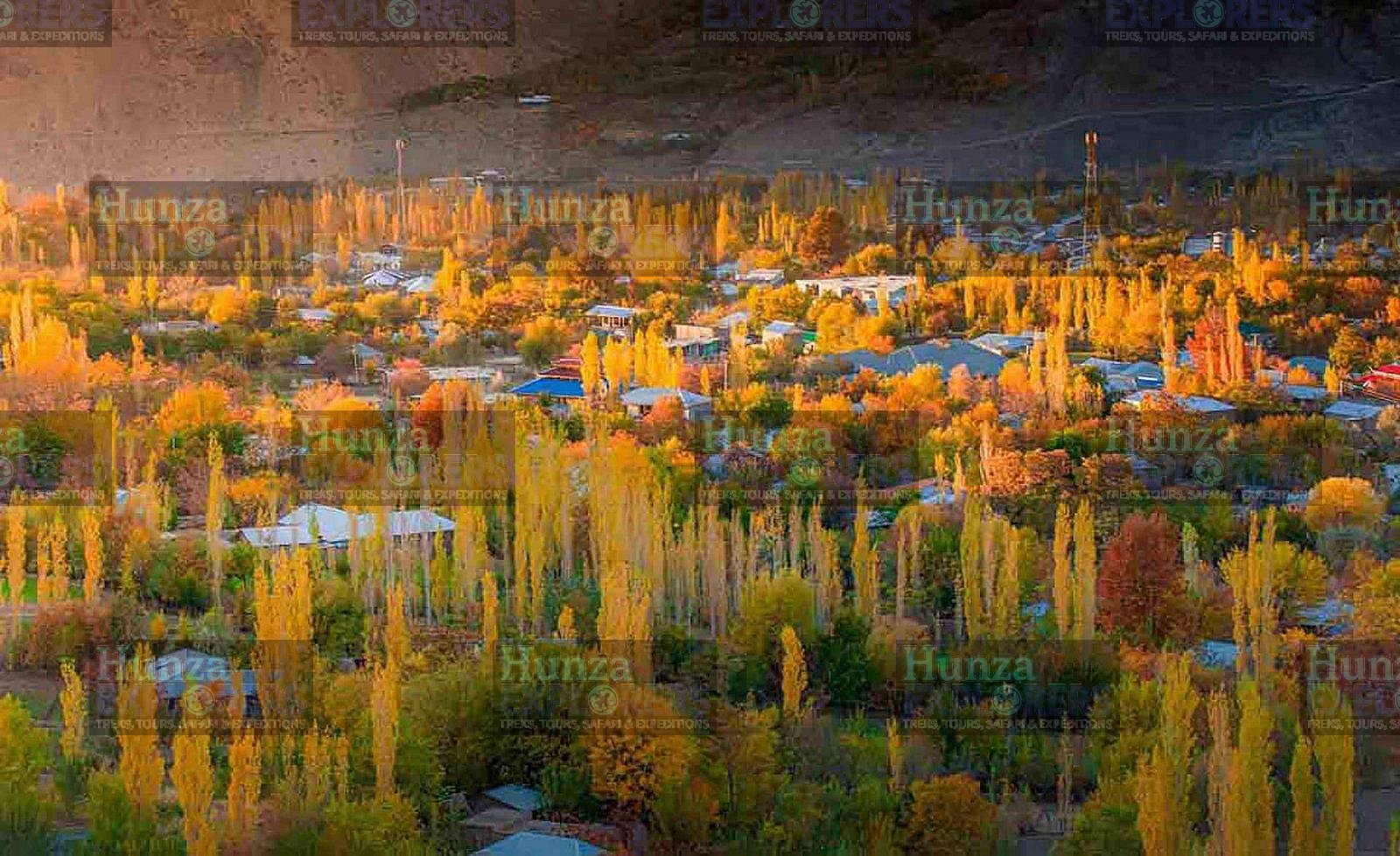
Autumn in Chitral is particularly rewarding because the landscape changes gradually with altitude. Lower valleys can retain their greenery while higher areas begin displaying golden foliage, creating constantly changing scenery as the journey moves through the region. Poplar, willow and fruit trees add seasonal colour around villages and cultivated fields, while the surrounding mountains provide a dramatic backdrop.
Our journey begins in Islamabad before heading towards Chitral through the mountainous landscapes of Khyber Pakhtunkhwa. As we approach Chitral, the scenery becomes increasingly dominated by the Hindu Kush, with narrow valleys, rushing rivers, mountain villages and terraced agricultural land replacing the urban landscapes of the plains.
Discover the Autumn Landscapes of Lower Chitral
Chitral Valley provides our first introduction to the region. Chitral Town, the administrative centre of the district, lies along the Kunar River and beneath the towering mountains of the Hindu Kush. One of the defining features of the surrounding landscape is Tirich Mir, rising to 7,708 metres and recognised as the highest peak of the Hindu Kush.
From Chitral, the journey continues into the surrounding valleys, where autumn brings a distinctive character to the landscape. Villages are surrounded by cultivated land and orchards, while the changing foliage creates striking contrasts between golden trees, green fields and rugged mountain slopes.
We also travel towards Garam Chashma, situated in the Lotkoh Valley. The area is known for its natural hot springs and its mountain setting. The journey itself provides an opportunity to observe the changing autumn scenery as the road follows the valley deeper into the Hindu Kush.
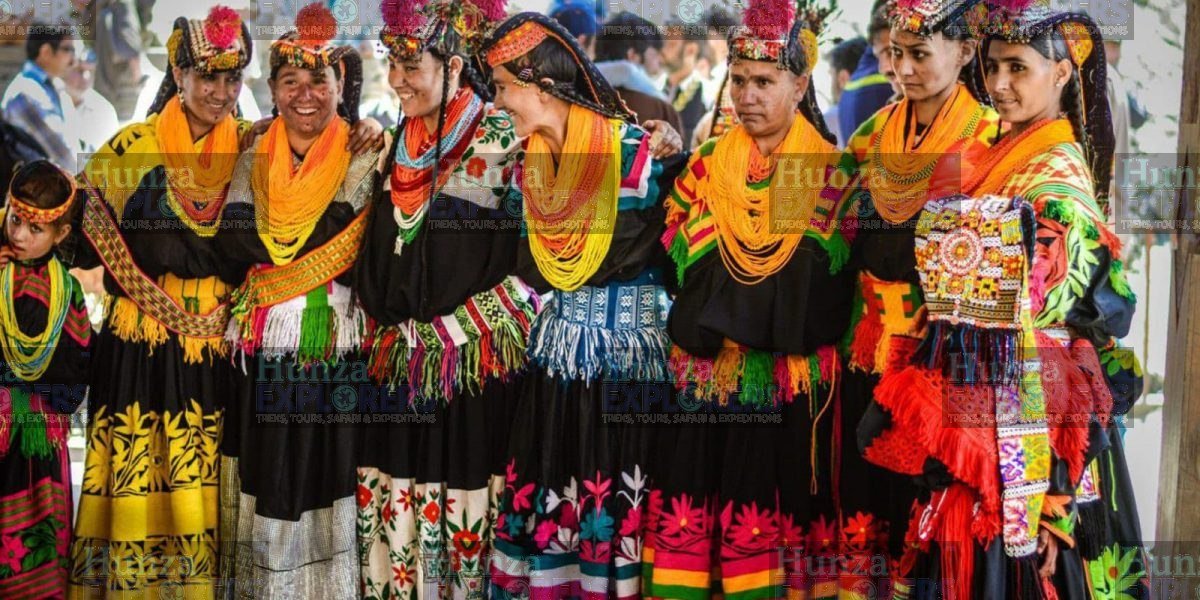
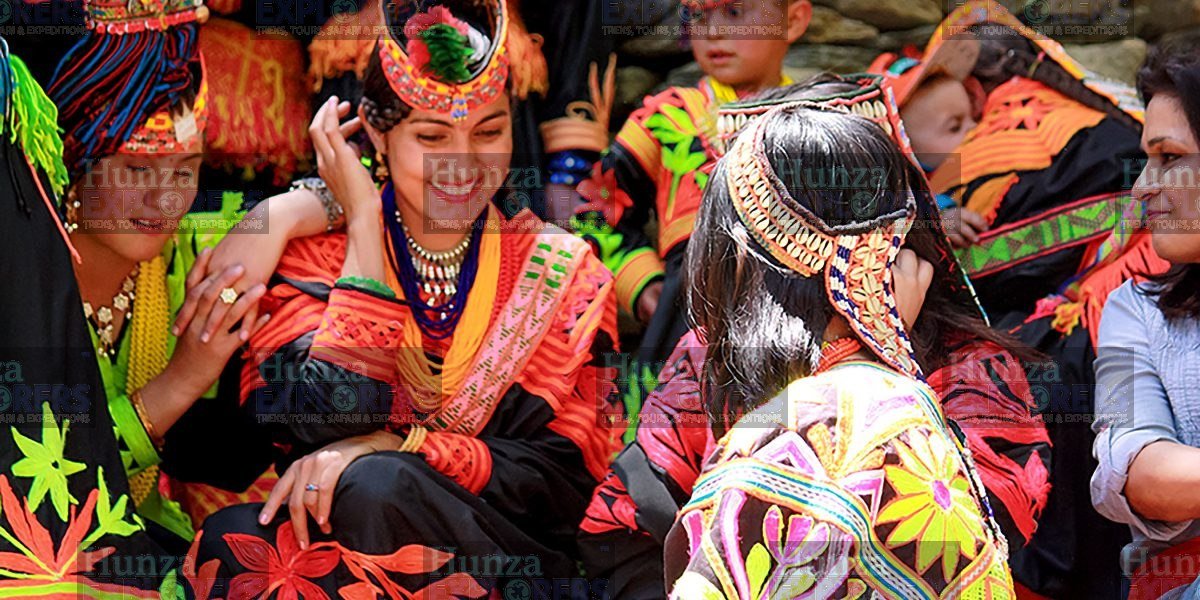
Another important part of the journey is the Kalash Valleys, including Bumburet, Rumbur and other communities inhabited by the Kalasha people. These valleys are culturally distinctive and offer an opportunity to experience a living mountain culture with traditions, language and customs that are different from those found elsewhere in Pakistan.
Autumn adds another layer to the experience. Trees surrounding villages and cultivated areas begin to change colour, while the steep mountains remain a constant presence above the valley settlements. Walking through the villages allows travellers to experience the landscape at a slower pace and appreciate the relationship between the communities and their environment.
The Kalash Valleys are not simply scenic destinations. They are living communities, and visiting them requires respect for local traditions, private spaces and photography preferences. The experience is most rewarding when travellers take the time to observe and engage respectfully rather than treating the villages solely as photographic locations.
From Upper Chitral to the High Hindu Kush
The journey continues towards Upper Chitral, where the scenery becomes increasingly remote and the valleys take on their own distinct character. Places such as Booni and Mastuj provide opportunities to experience another side of Chitral, away from the more familiar landscapes of Lower Chitral.
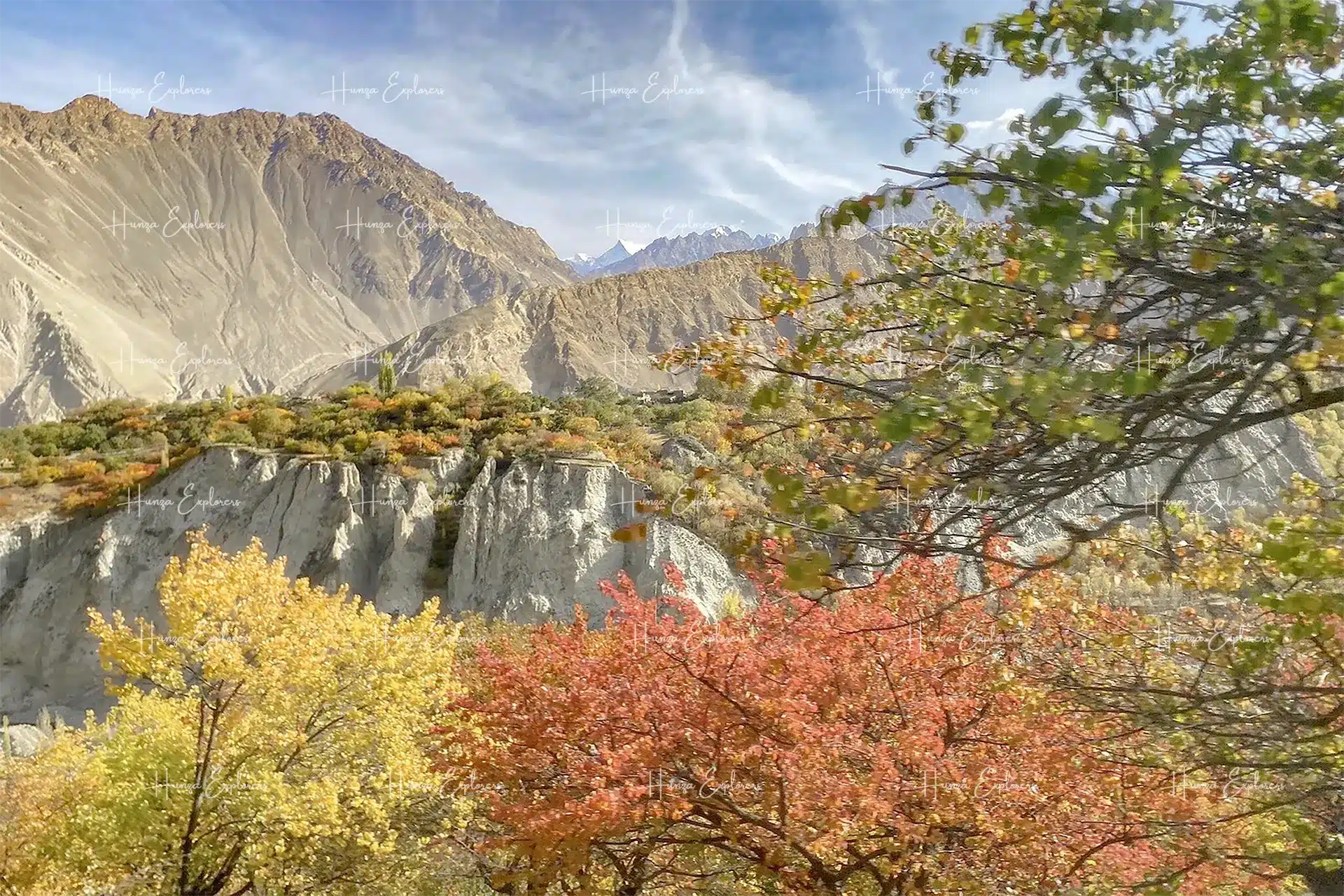
Autumn is particularly striking in these higher valleys. The surrounding agricultural areas and village trees begin displaying shades of yellow and gold, while the mountains above remain rugged and imposing. The contrast between the colourful valley floors and the barren or snow-dusted higher slopes creates some of the most memorable landscapes of the journey.
Travelling through Upper Chitral also reveals the importance of agriculture and traditional settlements to life in the region. Villages are often surrounded by fields and orchards, with irrigation and seasonal farming shaping the appearance of the landscape. During autumn, these areas become particularly photogenic as foliage changes and the agricultural season moves towards its close.
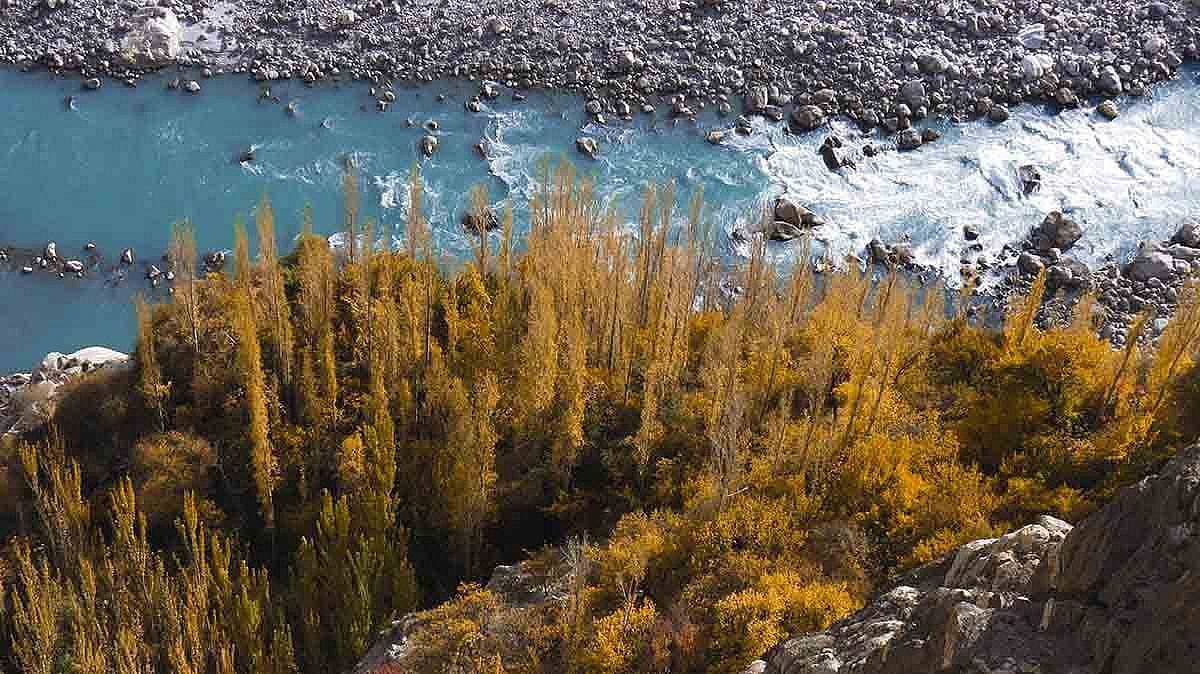
The journey is not simply about reaching destinations. The roads between them are an important part of the experience. Mountain routes follow rivers and valley floors, climb through changing landscapes and connect communities that have developed in some of the most dramatic terrain of the Hindu Kush. Stops along the way provide opportunities to photograph autumn foliage, villages, rivers and mountain scenery.
For photographers, Chitral in autumn offers an exceptional variety of subjects. Golden trees against dark mountain slopes, traditional houses surrounded by colourful foliage, rivers running through valleys and distant high peaks all contribute to a constantly changing visual landscape. The changing colours also mean that no two parts of the journey look exactly the same.
For cultural travellers, the attraction lies equally in the communities encountered along the route. The Kalasha heritage of Lower Chitral, the traditional villages of Upper Chitral and the everyday life of mountain communities provide a deeper understanding of the region beyond its scenery.
The Chitral Autumn Tour is therefore designed as a complete mountain journey rather than simply an autumn foliage trip. It combines seasonal landscapes with culture, village life, mountain roads and the distinctive geography of the Hindu Kush.
Autumn conditions can vary from year to year and from one elevation to another. The timing of foliage changes depends on temperature, altitude and weather, so the exact intensity of autumn colours cannot be guaranteed for every location on a particular date. This natural variation is part of travelling through a mountain region as large and geographically diverse as Chitral.
What remains consistent is the character of the journey: dramatic mountains, changing autumn landscapes, traditional communities and the opportunity to experience Chitral at one of its most visually distinctive times of year.
From the lower valleys around Chitral Town to the culturally distinctive Kalash Valleys, and from Garam Chashma to the broader mountain landscapes of Upper Chitral, this journey brings together many different faces of the region.
The result is an immersive autumn journey through one of northern Pakistan’s most distinctive destinations, where golden valleys meet the Hindu Kush and every road reveals another perspective of Chitral.
Why You’ll Love This Tour
The Chitral Autumn Tour is a journey through a landscape that changes beautifully with the season. As autumn arrives, the valleys of Chitral develop rich golden and earthy colours, creating a striking contrast with the rugged mountains of the Hindu Kush.
The itinerary combines the scenic landscapes of Chitral Valley, the natural hot springs of Garam Chashma, the distinctive culture of the Kalash Valleys and the mountain communities of Upper Chitral. Each destination offers a different experience, from colourful villages and orchards to dramatic mountain scenery and traditional ways of life.
Autumn also provides exceptional opportunities for photography, with golden foliage, rivers, traditional settlements and high mountain peaks creating constantly changing compositions along the route.
The tour is ideal for travellers who enjoy scenic road journeys, photography, mountain landscapes and authentic cultural experiences. It offers enough variety to keep every day different while allowing time to explore villages and valleys rather than simply passing through them.
What makes the journey especially memorable is the combination of seasonal beauty and living culture. You are not simply viewing autumn colours; you are travelling through communities and landscapes where the changing season remains closely connected to agriculture, village life and the rhythm of the mountains.