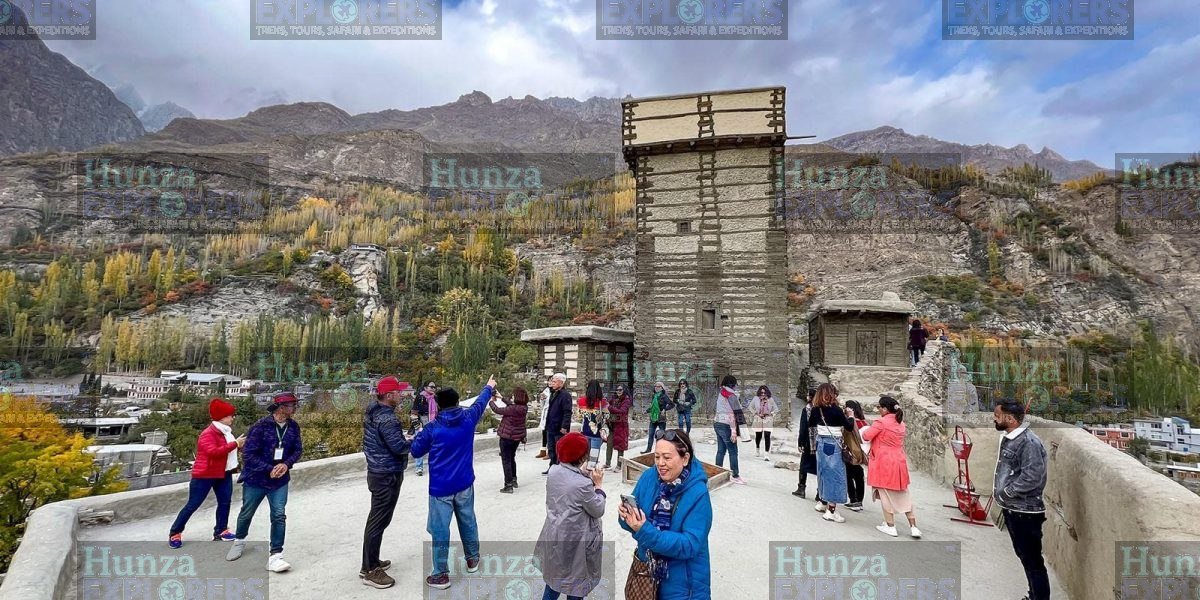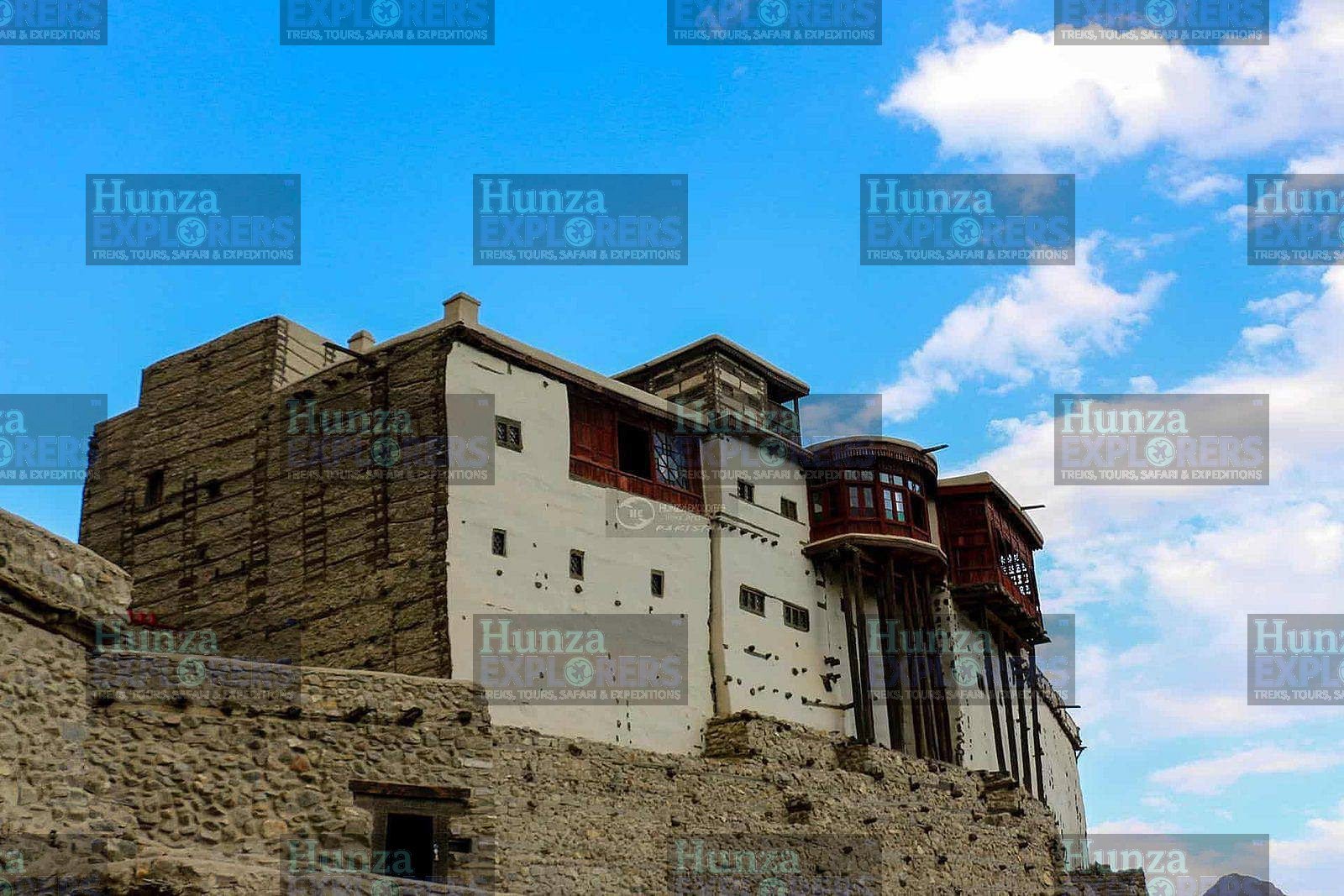
Baltit Fort
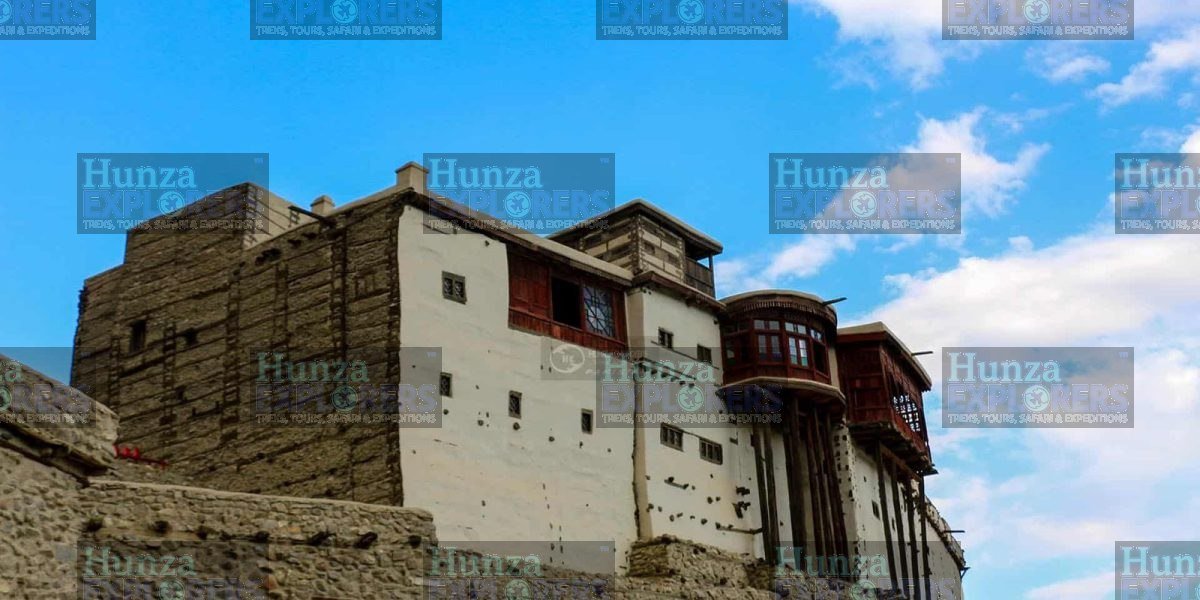
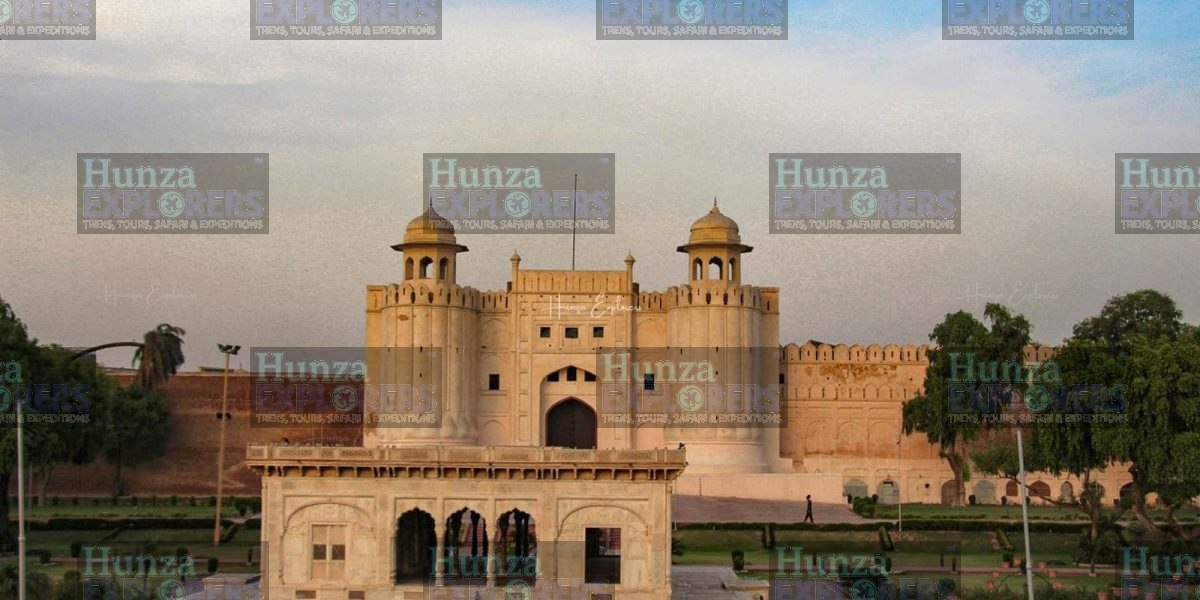
Historic royal fort overlooking Karimabad, with traditional architecture and panoramic mountain views.

Discover the Heart of the Karakoram
Hunza Valley is a mountain destination in Gilgit-Baltistan, northern Pakistan, known for Baltit Fort, Altit Fort, Attabad Lake, Passu Cones and traditional Karakoram villages. Visitors enjoy cultural sightseeing, photography, trekking and scenic journeys. Spring and autumn are particularly popular. Hunza Explorers, established in 2003, organises locally guided private and small-group tours.
Hunza Valley lies in the mountainous north of Pakistan, within the administrative region of Gilgit-Baltistan. Historically an independent princely state, Hunza occupied an important position along the mountain trade routes connecting the northern areas of the Indian subcontinent with Central Asia and western China.
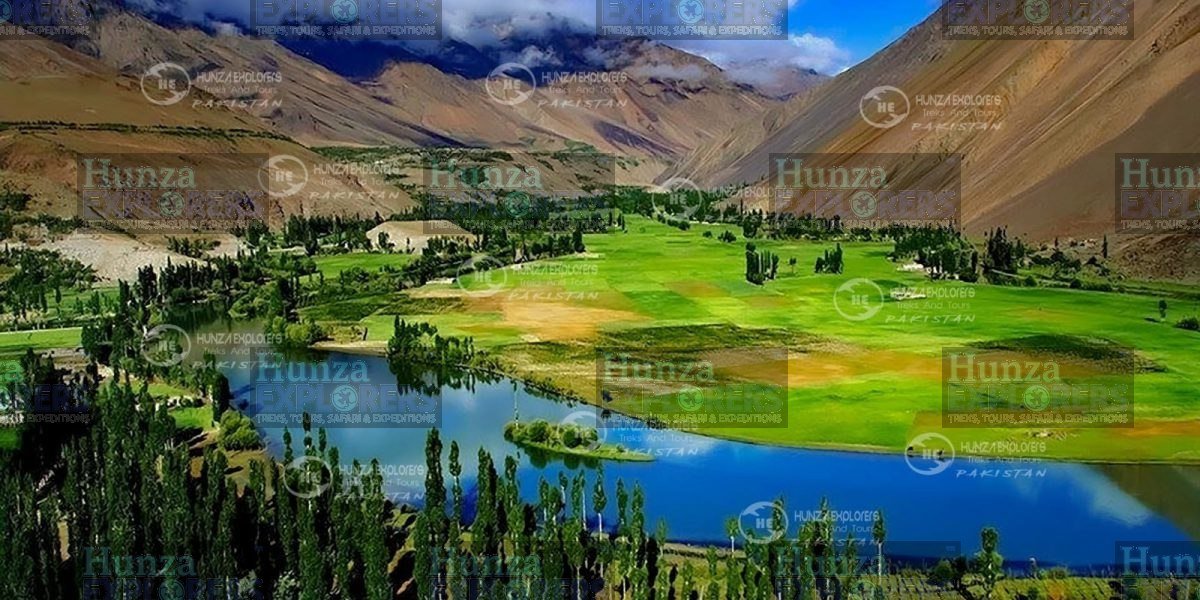
Today, Hunza is celebrated for its dramatic mountain landscapes, historic settlements, distinctive architecture, cultural diversity and remarkable agricultural traditions.
Geography and Landscape
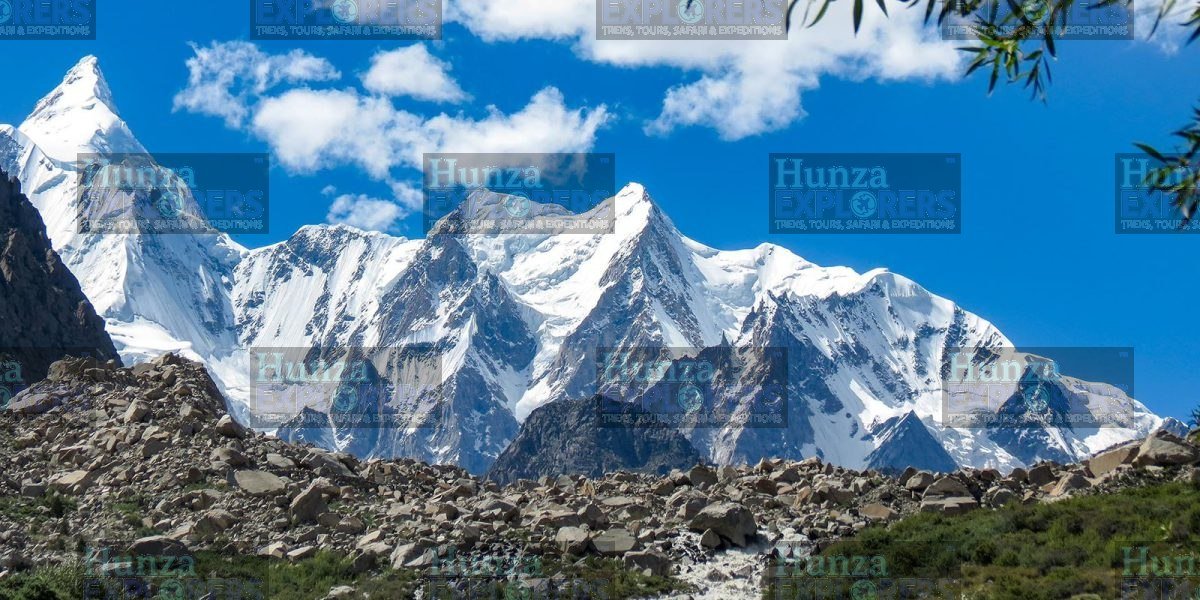
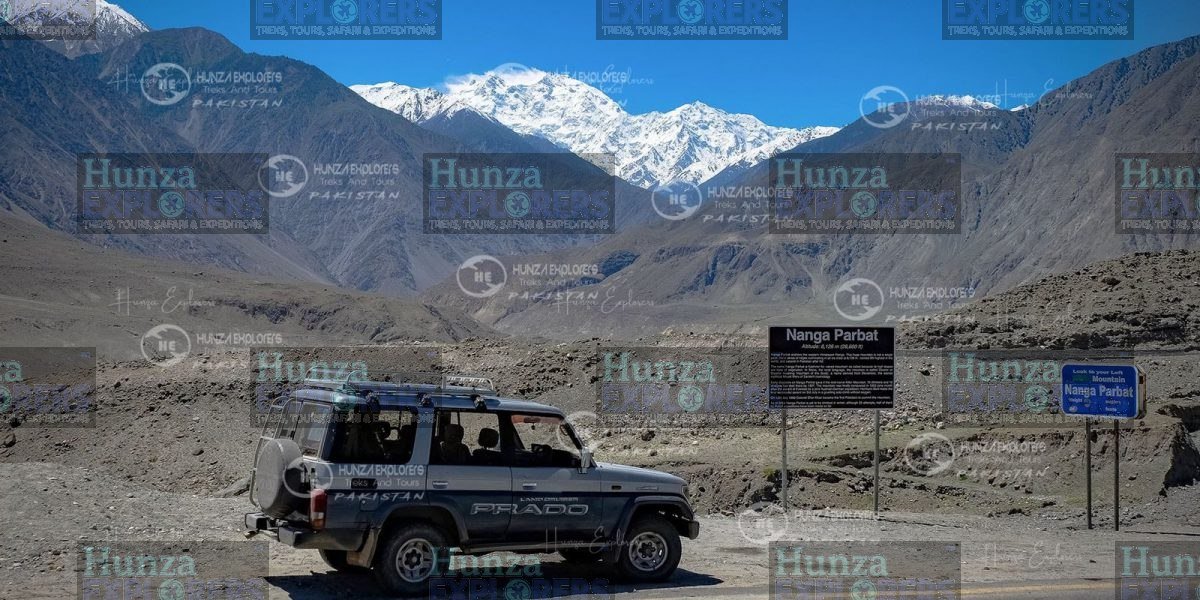
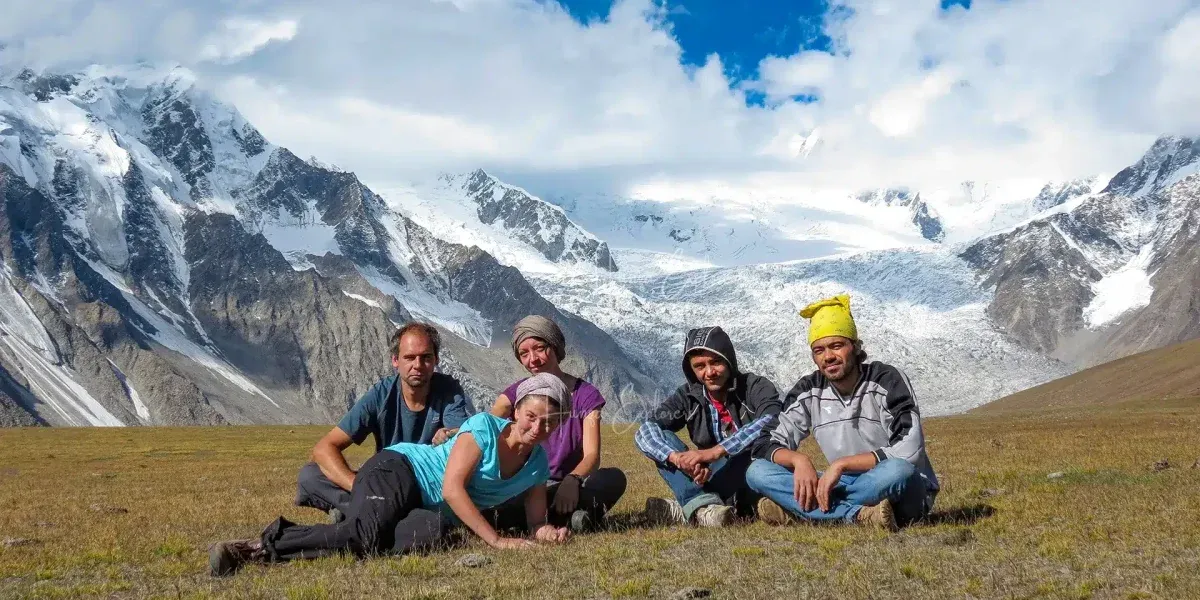
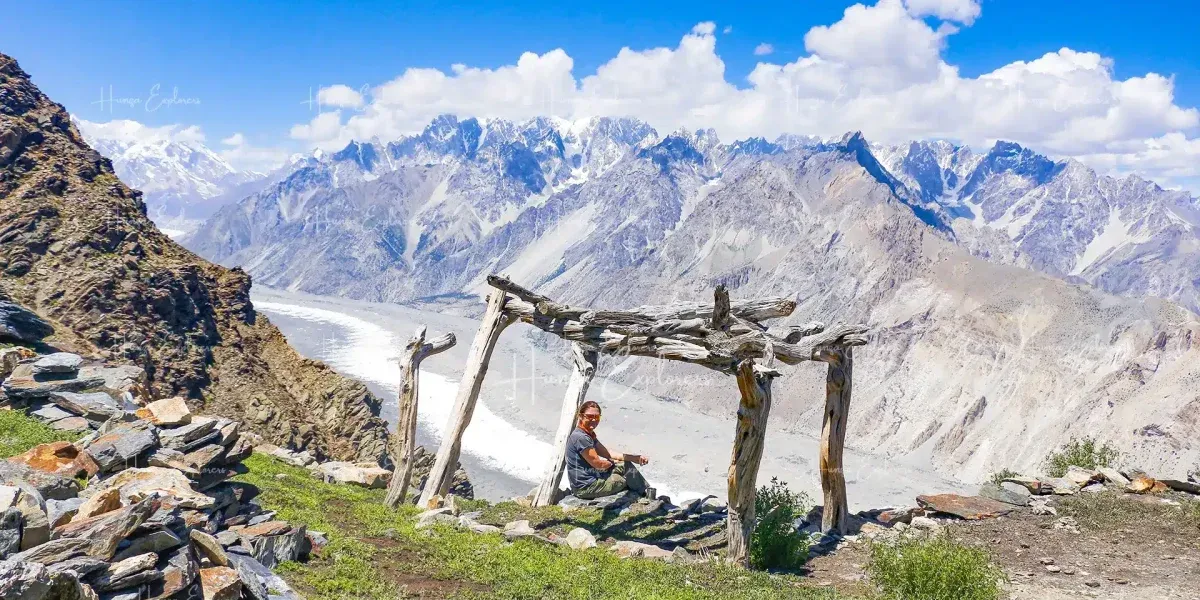
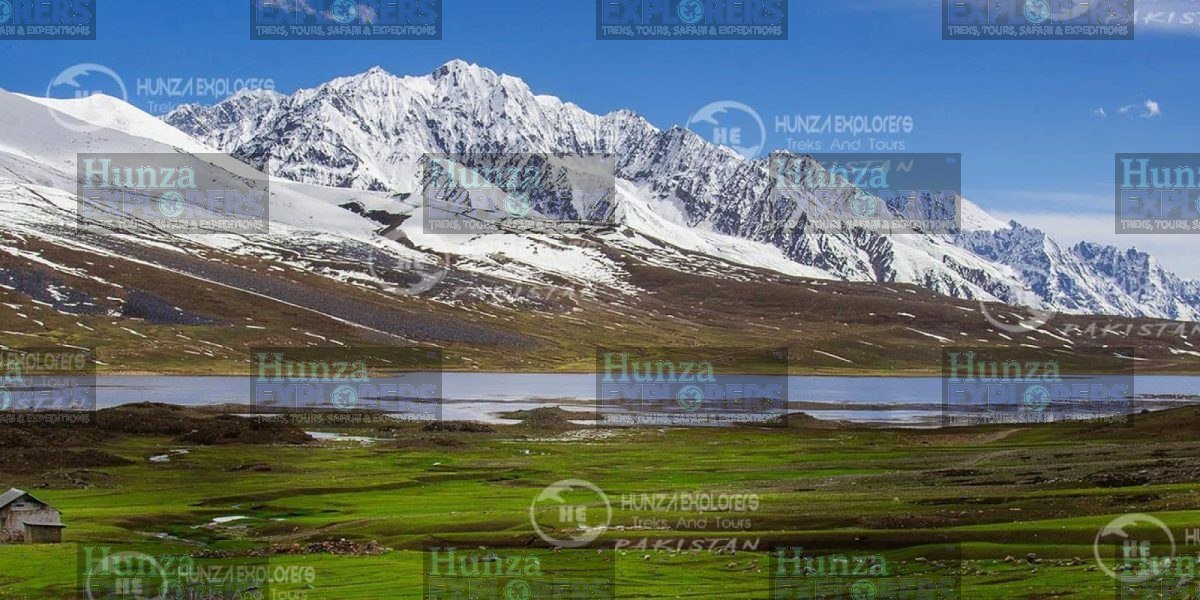
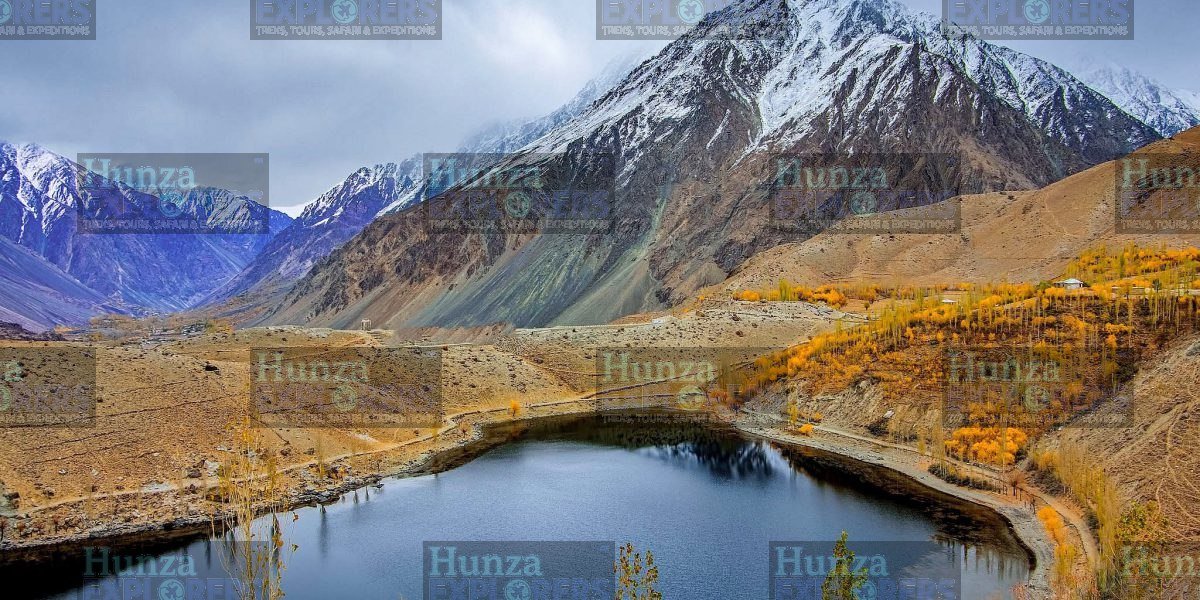
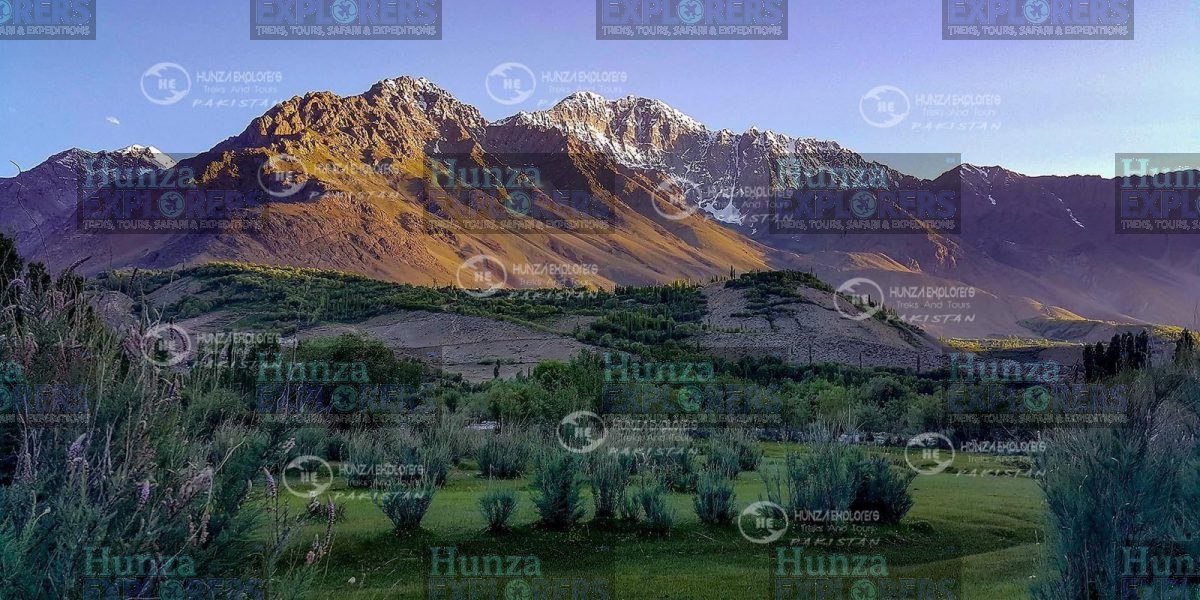
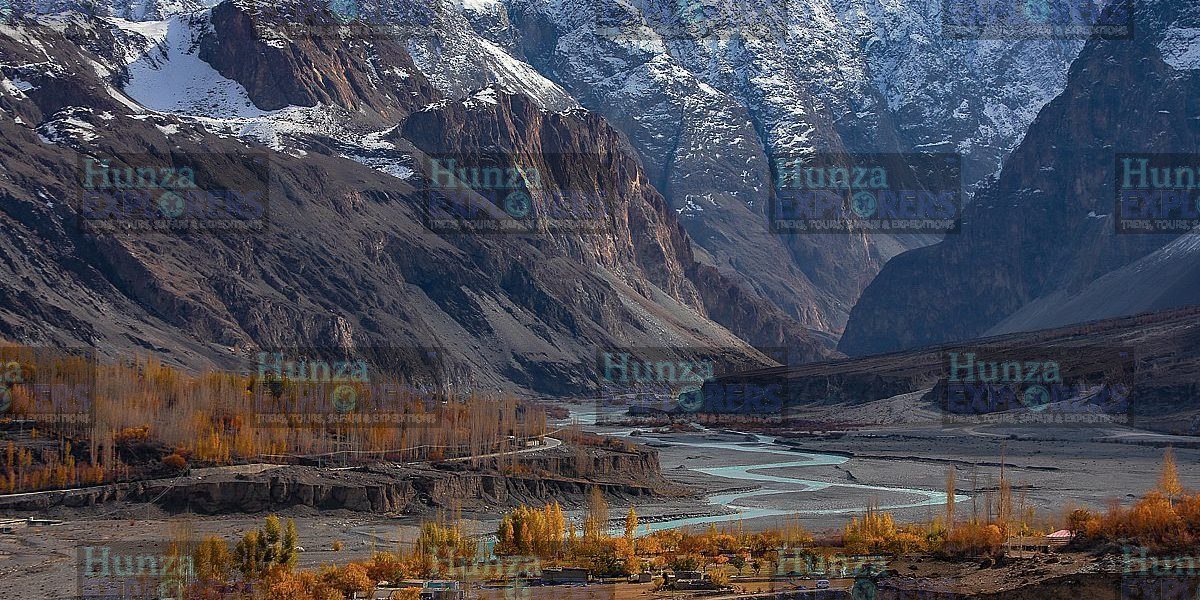
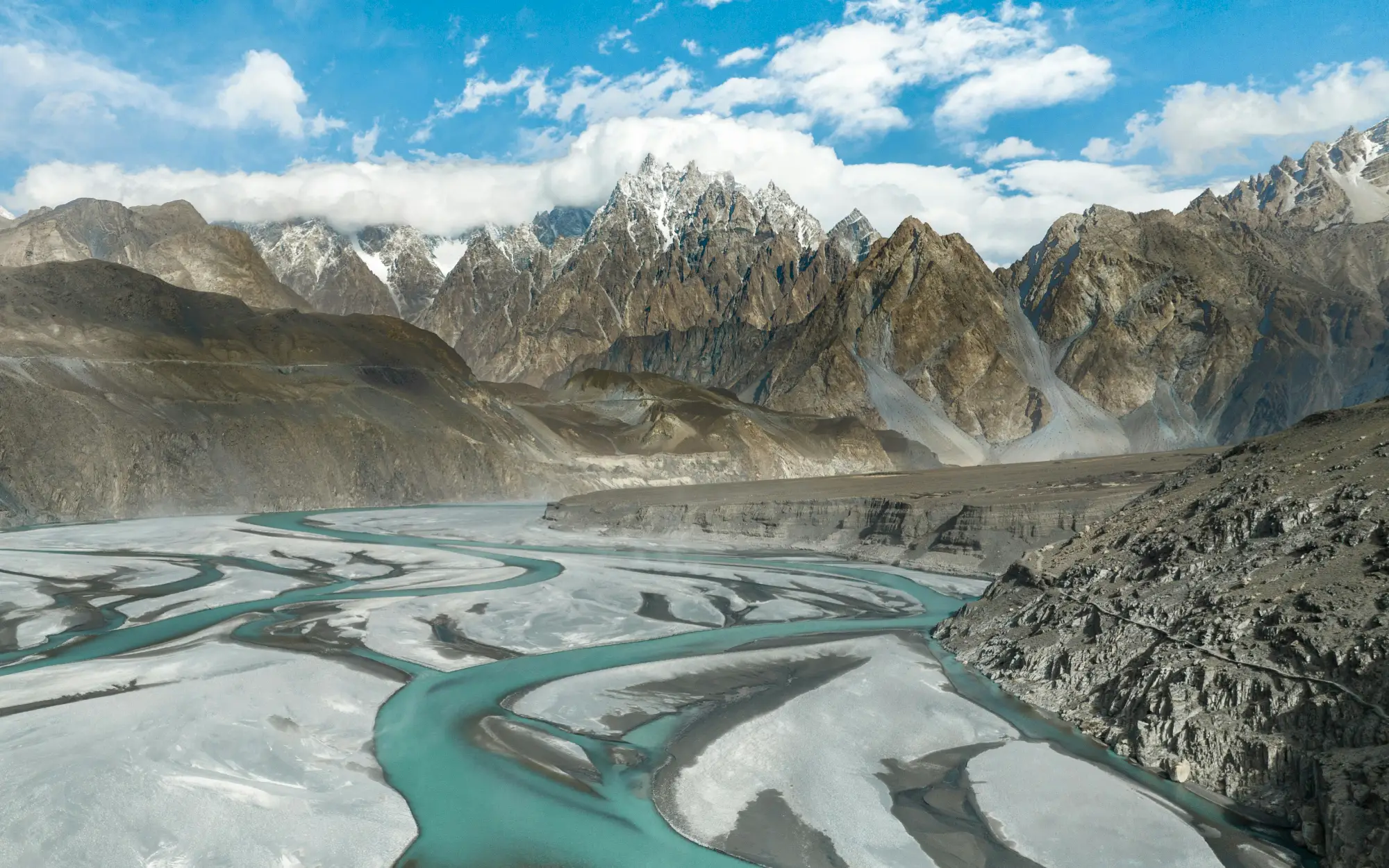
The region is surrounded by some of the most impressive mountain scenery in the Karakoram. Peaks such as Rakaposhi (7,788 m), Ultar Sar (7,388 m) and Shispare (7,611 m) dominate different parts of the landscape, while glaciers, mountain streams and the Hunza River have shaped its valleys over thousands of years.
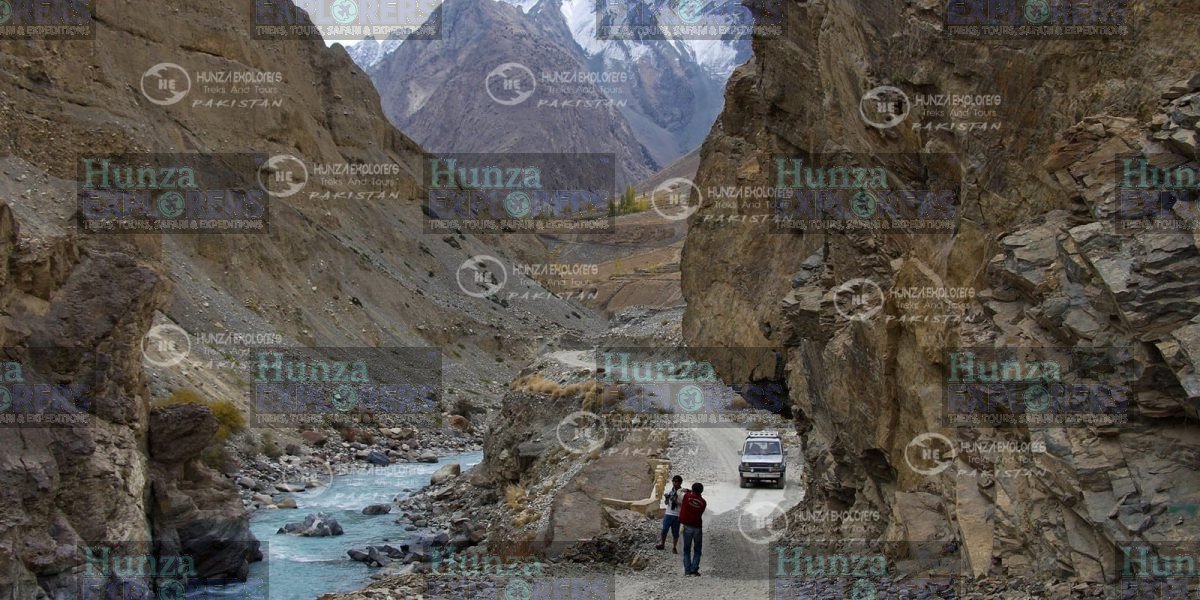
The Karakoram Highway, one of the world's most extraordinary mountain roads, connects Hunza with Gilgit, other parts of Pakistan and the border region towards China. It provides access to historic villages, lakes, mountain viewpoints and some of the region's most popular tourist attractions.
Lower Hunza includes communities such as Nasirabad, Hassanabad and nearby settlements along the southern approach to the valley. This area is characterised by orchards, agricultural terraces, mountain scenery and traditional village life.
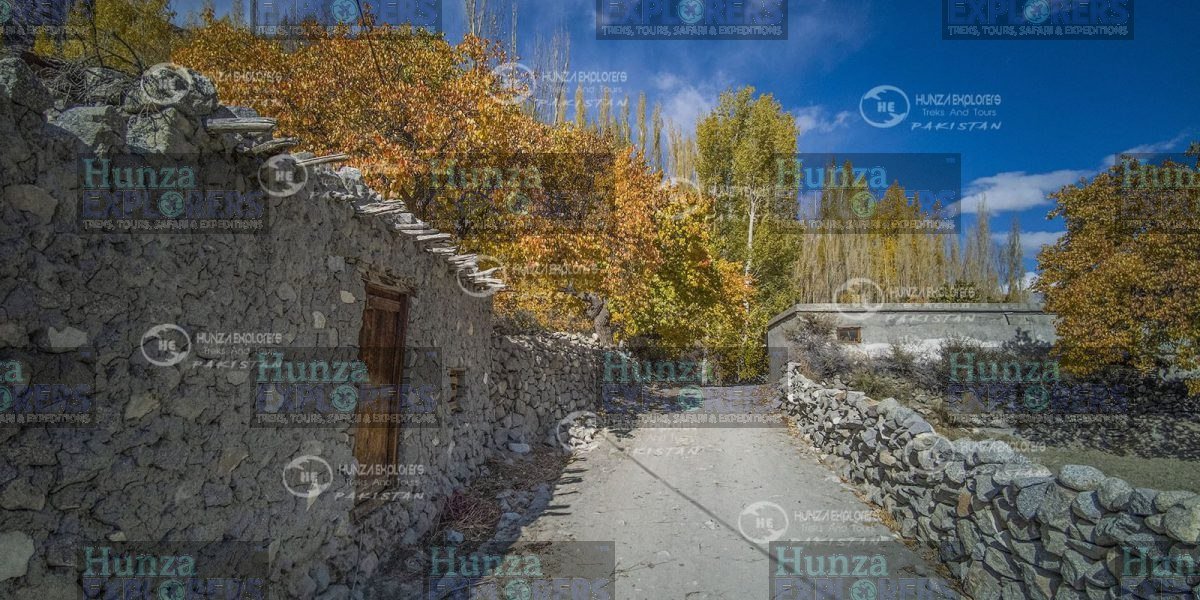
Central Hunza is the historic and cultural heart of the region. Karimabad, Altit, Aliabad and surrounding settlements offer access to historic forts, traditional bazaars, viewpoints and heritage sites.
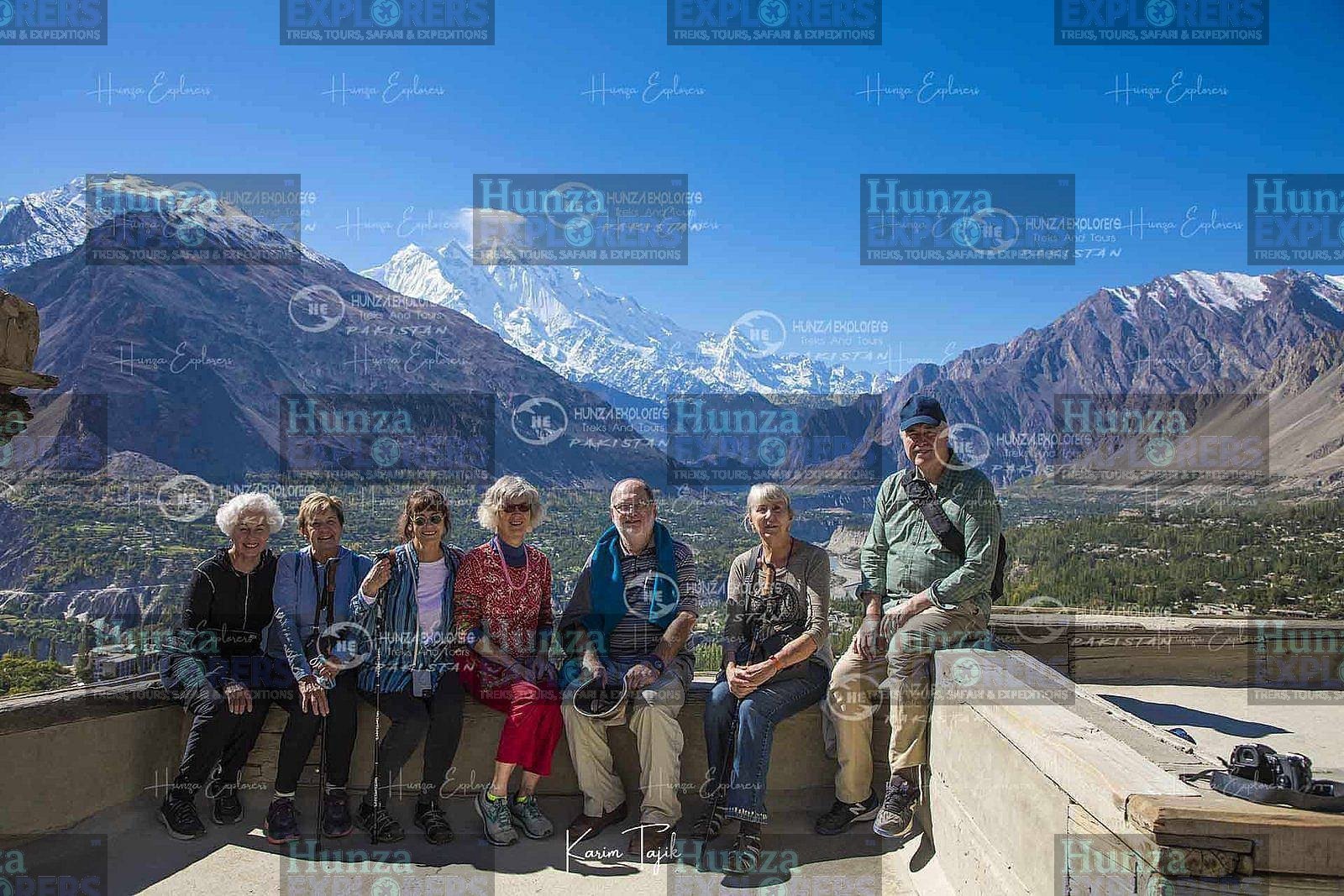
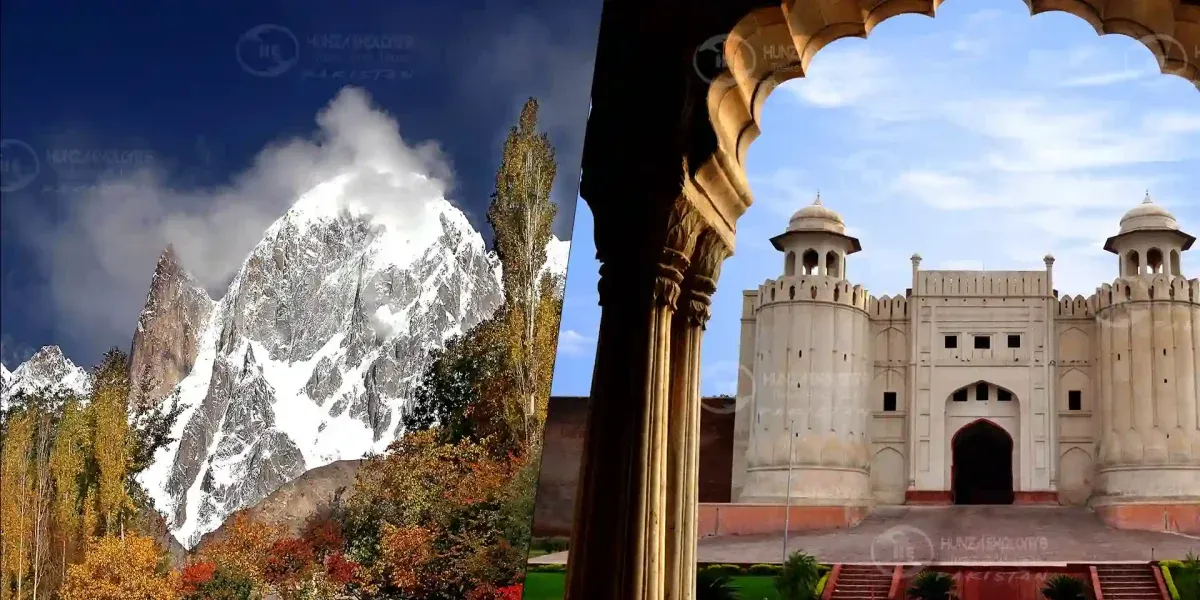
Baltit Fort, overlooking Karimabad, served as a royal residence for Hunza's former rulers. Altit Fort, one of the region's oldest surviving historic structures, stands above the Hunza River and preserves important elements of the valley's architectural heritage.
Visitors can explore the Royal Garden, traditional streets, local handicraft shops and the spectacular viewpoints around Duiker, particularly popular for sunrise and sunset photography.
Upper Hunza, locally known as Gojal, extends northwards towards the China–Pakistan border and includes villages such as Shishkat, Gulmit, Ghulkin, Hussaini, Passu and Sost.
This region is especially known for its Wakhi-speaking communities, dramatic mountain formations, historic settlements and access to glaciers and high-altitude valleys.
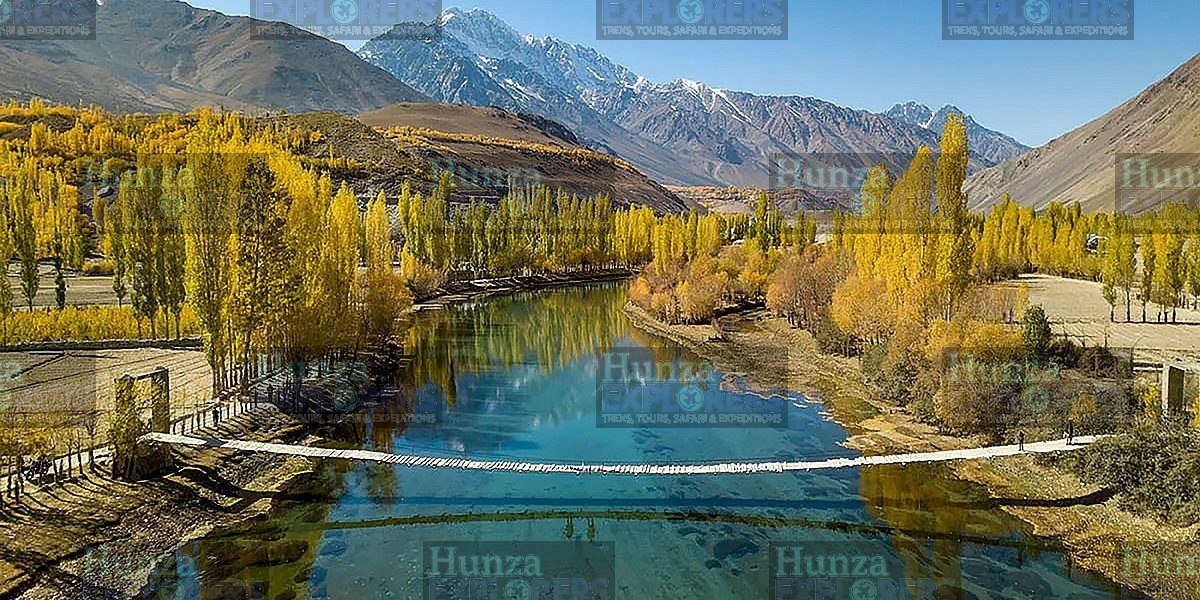
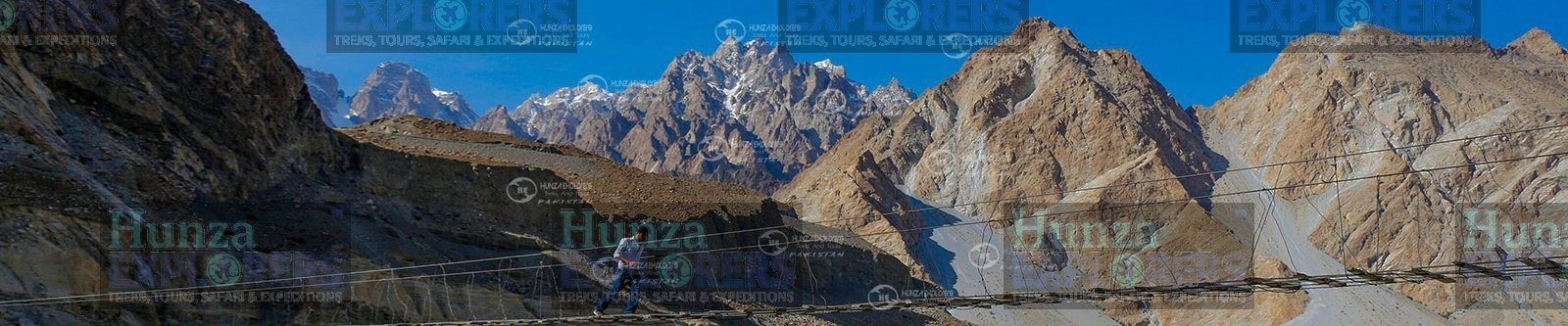
Major attractions include Attabad Lake, Borith Lake, Hussaini Suspension Bridge, Passu Cones, Passu Glacier, Ghulkin Glacier and Khunjerab National Park.
Hunza's strategic position made it an important mountain corridor for trade, travel and cultural exchange. Historic caravan routes connected the region with neighbouring territories across the Karakoram and Pamir mountains.
The former rulers of Hunza, known as the Mirs, governed the princely state until its integration into Pakistan's administrative system in the twentieth century.
Historic forts, old pathways, traditional irrigation channels and surviving village architecture provide valuable evidence of this past.
Hunza is home to culturally diverse communities. Burushaski is widely spoken in Central Hunza, Wakhi is prominent in Upper Hunza, and Shina is spoken in parts of Lower Hunza. Urdu and English are also used, particularly in education and tourism.
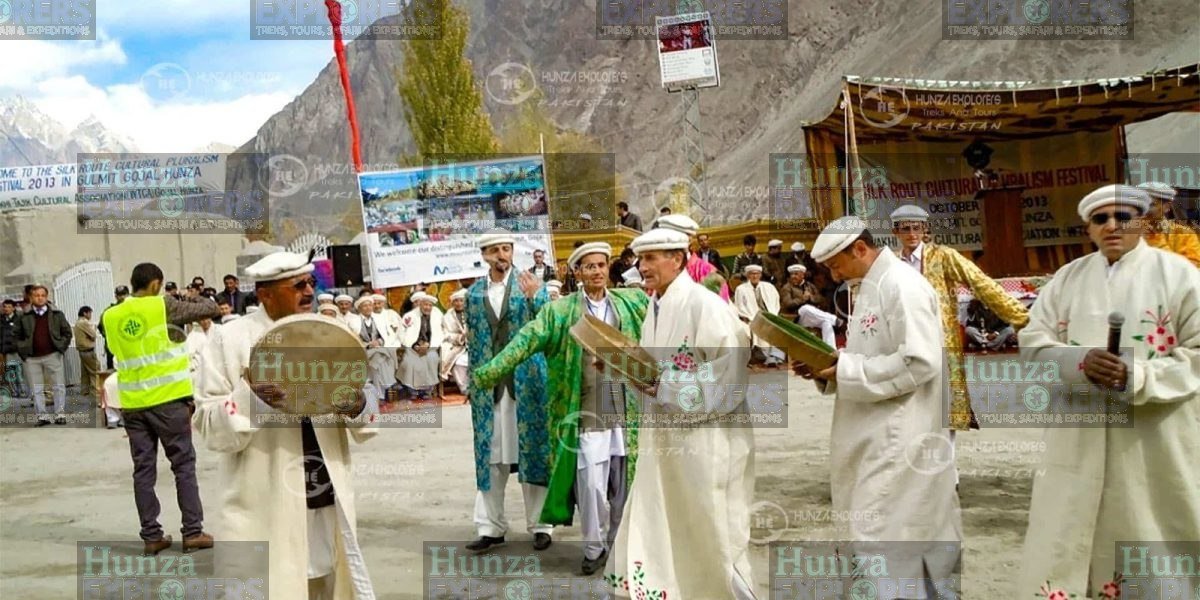
Traditional music, handicrafts, regional cuisine, seasonal celebrations and community gatherings remain important parts of local life.
Visitors can experience traditional dishes such as Chapshuro, Diram Fitti, Harissa and Giyaling, alongside locally grown apricots, walnuts and other mountain produce.
Hunza offers opportunities for cultural sightseeing, nature photography, trekking, mountaineering, village walks and scenic road journeys.
Responsible tourism is particularly important in this fragile mountain environment. Visitors are encouraged to respect local customs, avoid littering, minimise unnecessary plastic waste and support locally owned businesses.
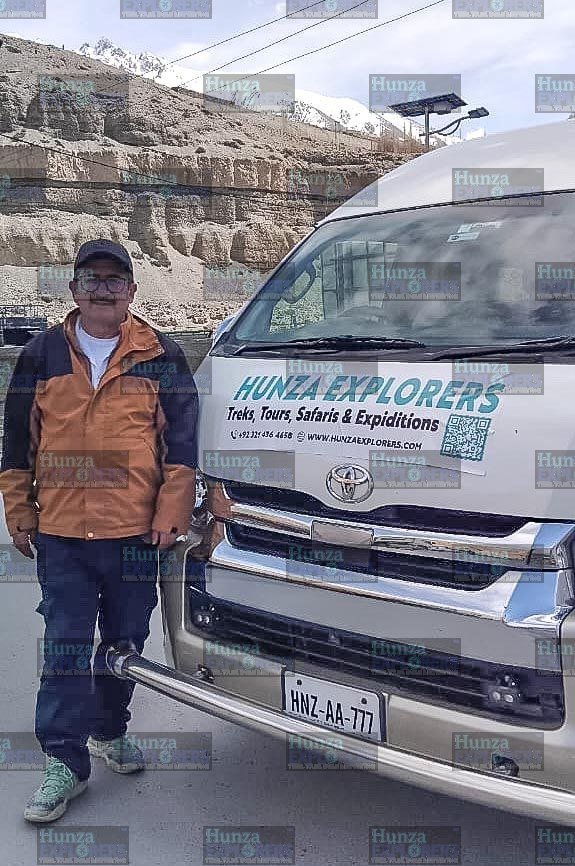
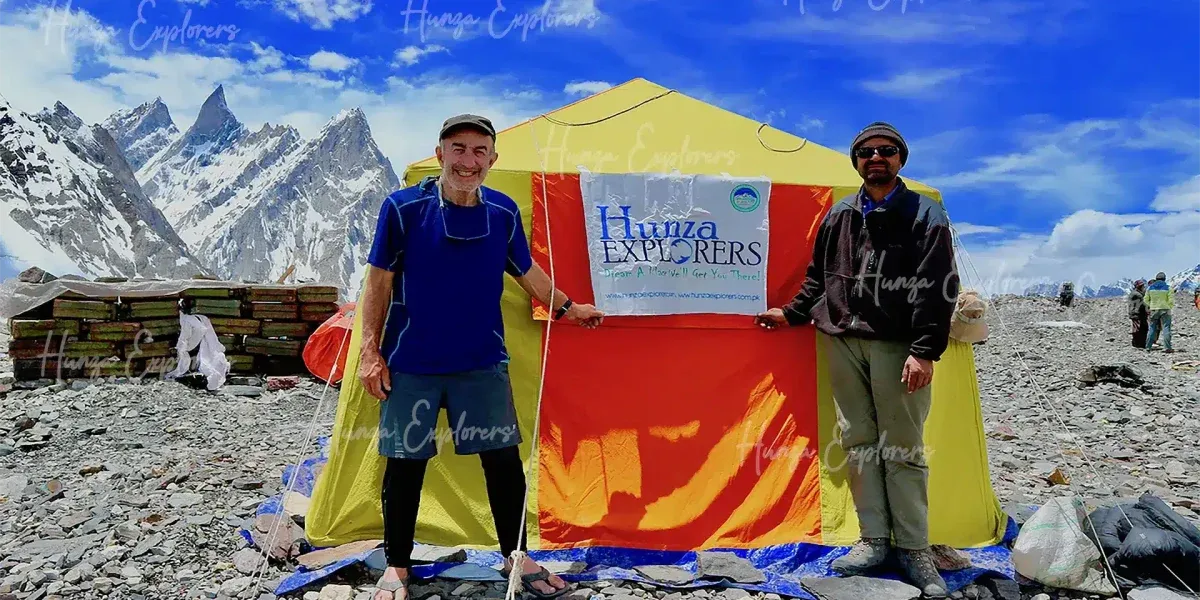
Hunza Explorers Treks & Tours has organised journeys in Pakistan since 2003. With our roots in Ghulkin, Upper Hunza, we combine local knowledge with professional travel planning to introduce visitors to the landscapes, people and heritage of the region.
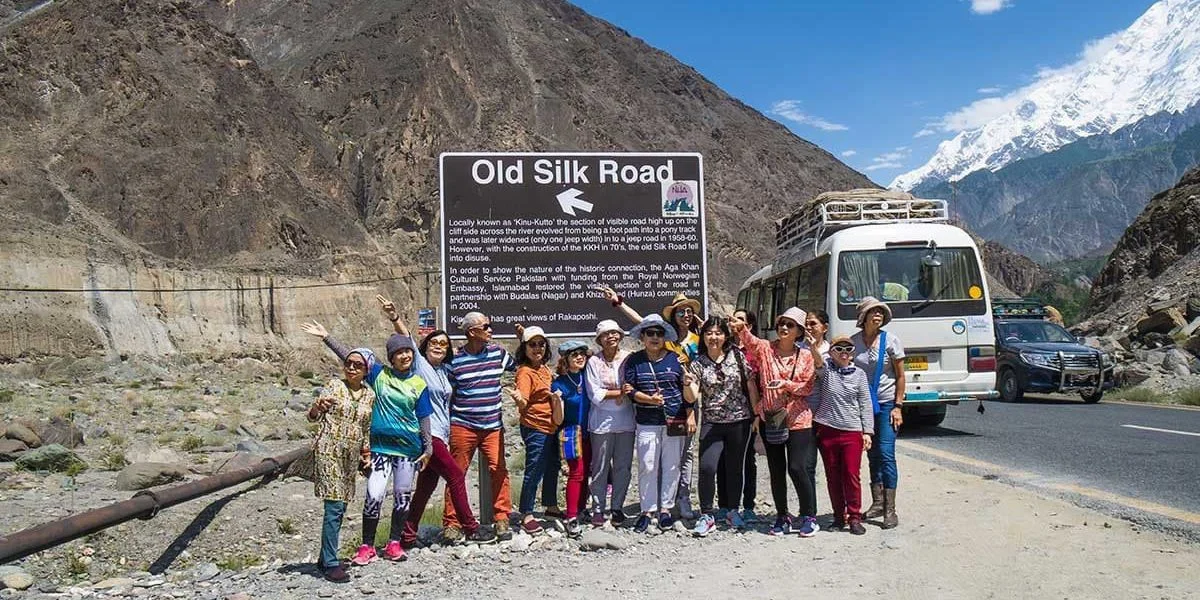
Hunza Valley, situated in Gilgit-Baltistan in northern Pakistan, is one of the most remarkable mountain destinations in the Karakoram Range. Surrounded by towering peaks, ancient glaciers, terraced fields and traditional settlements, the valley combines spectacular natural beauty with centuries of history, cultural diversity and the legacy of the ancient Silk Road.
From the historic forts and bazaars of Karimabad to the turquoise waters of Attabad Lake, the distinctive peaks of Passu and the high-altitude landscapes surrounding Khunjerab Pass, Hunza offers an extraordinary variety of experiences. Travellers can explore traditional villages, visit historic monuments, enjoy mountain photography, discover local cuisine, undertake scenic walks or join challenging treks and expeditions.
The valley encompasses Lower Hunza, Central Hunza and Upper Hunza (Gojal), each with its own character, settlements, languages and attractions. The communities of Hunza preserve a rich cultural heritage reflected in their architecture, music, traditional agriculture, festivals and everyday life.
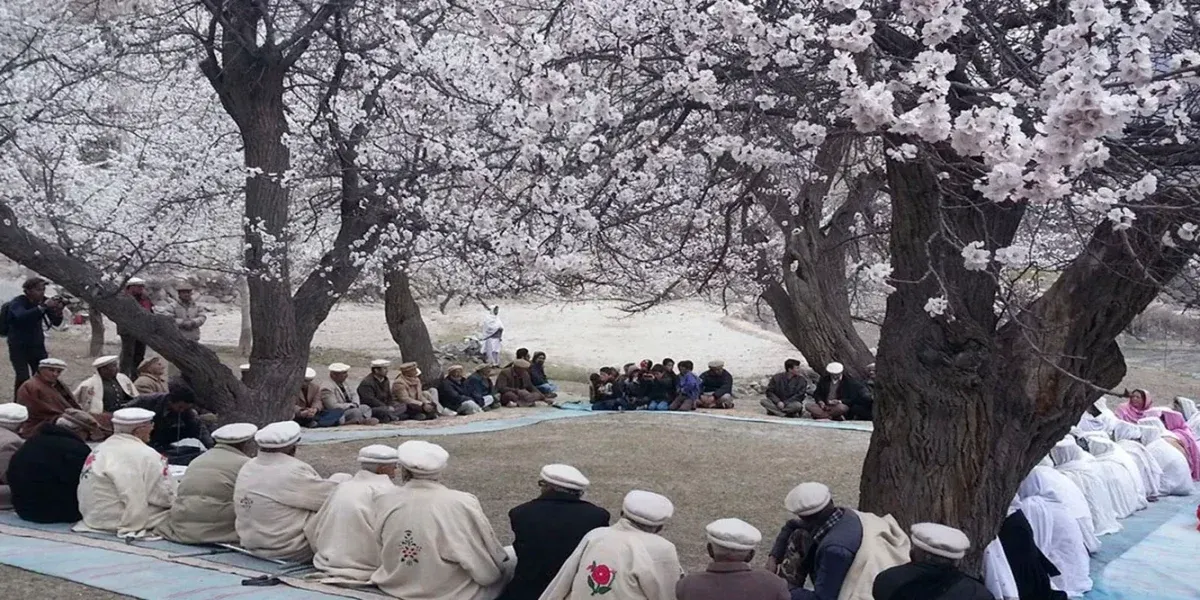
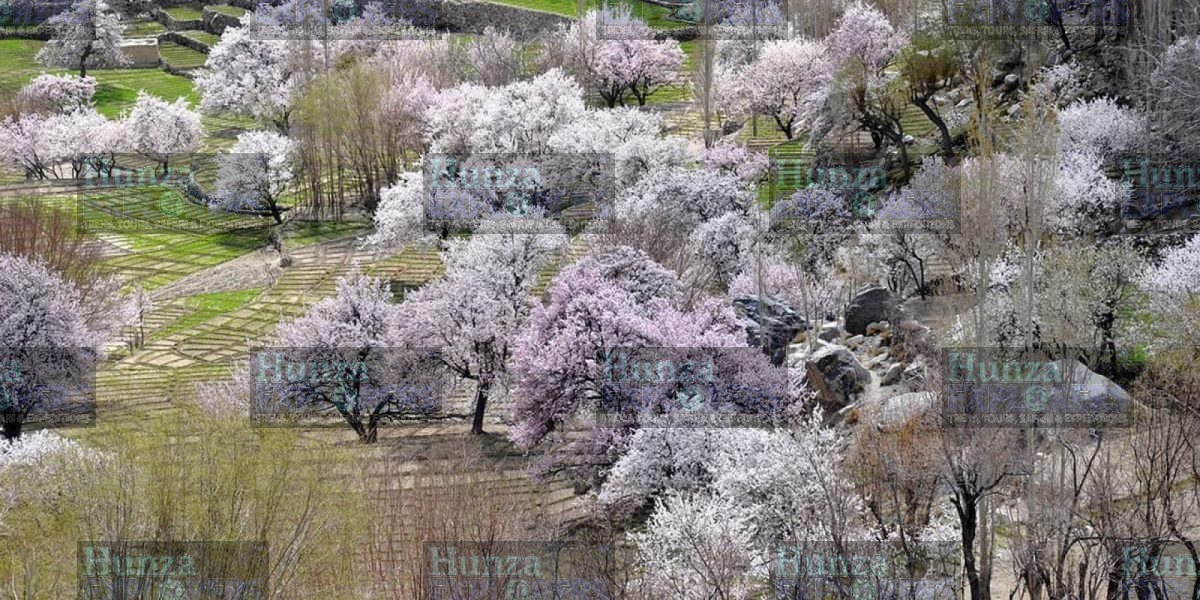
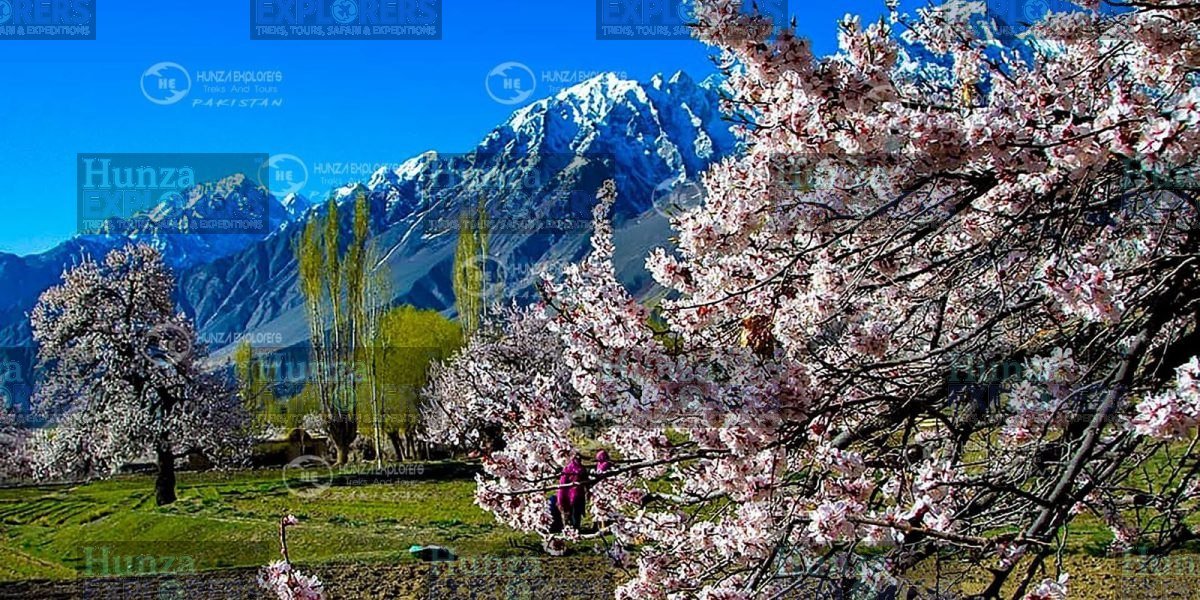
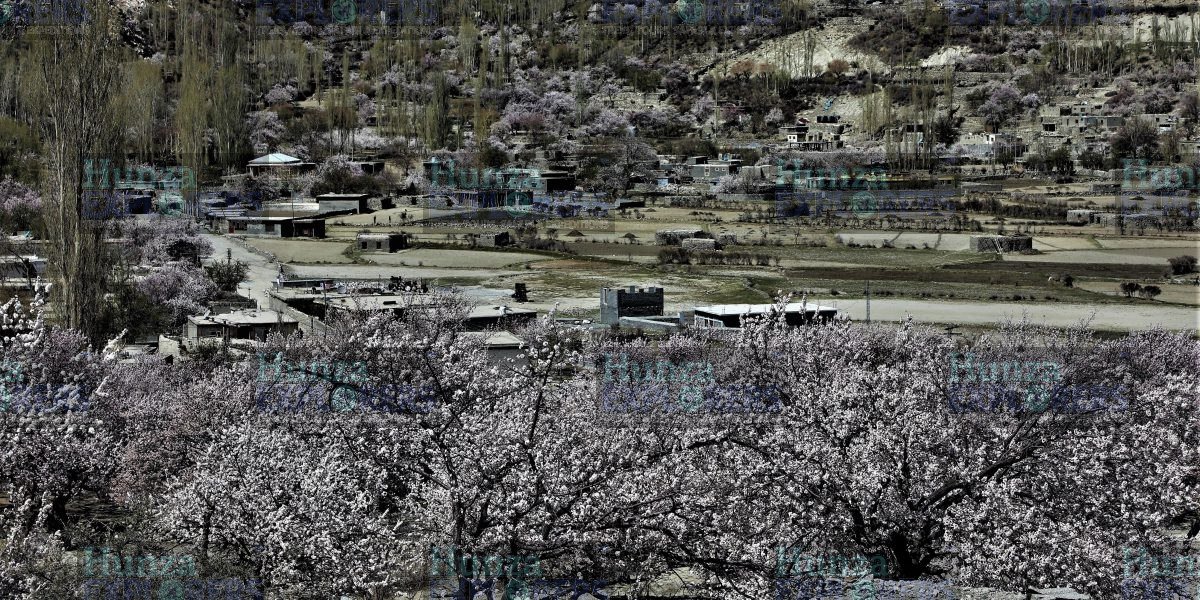
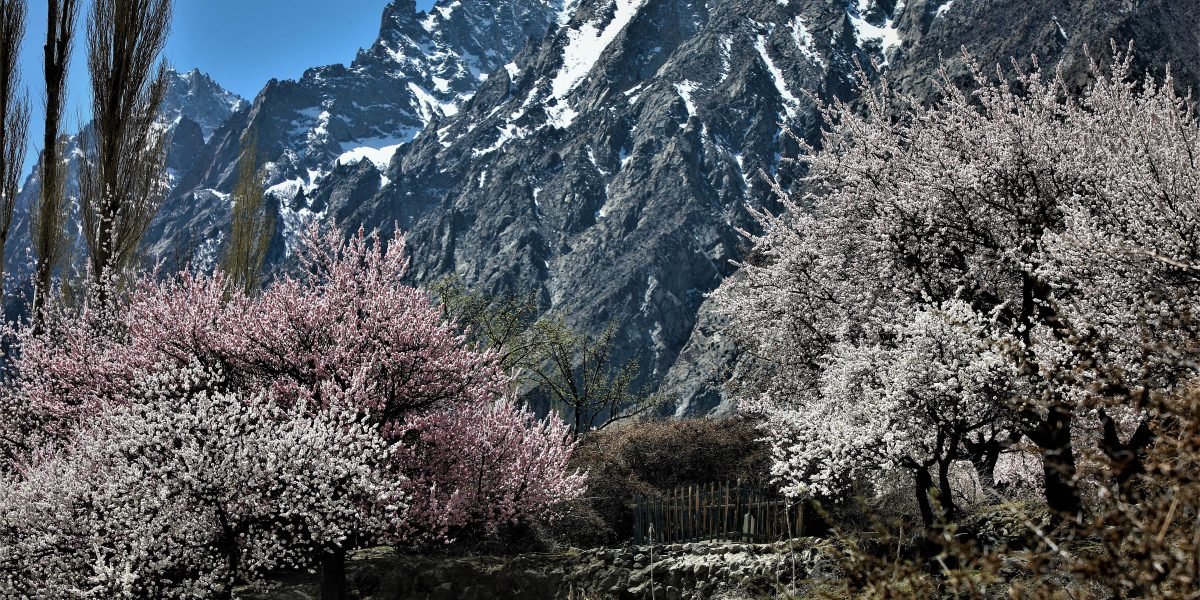
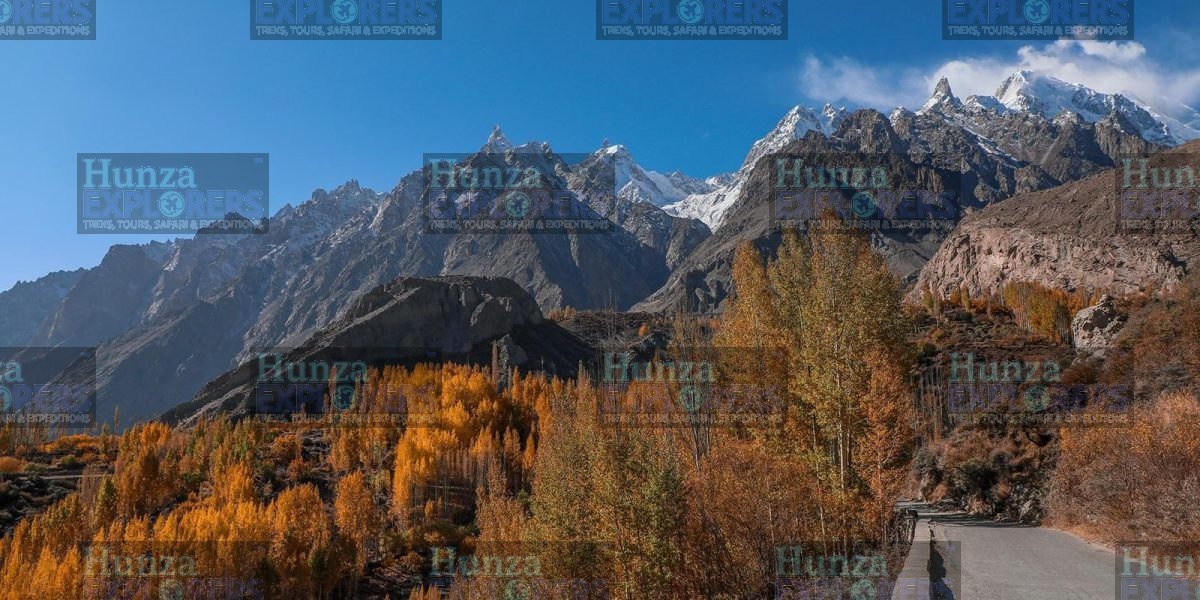
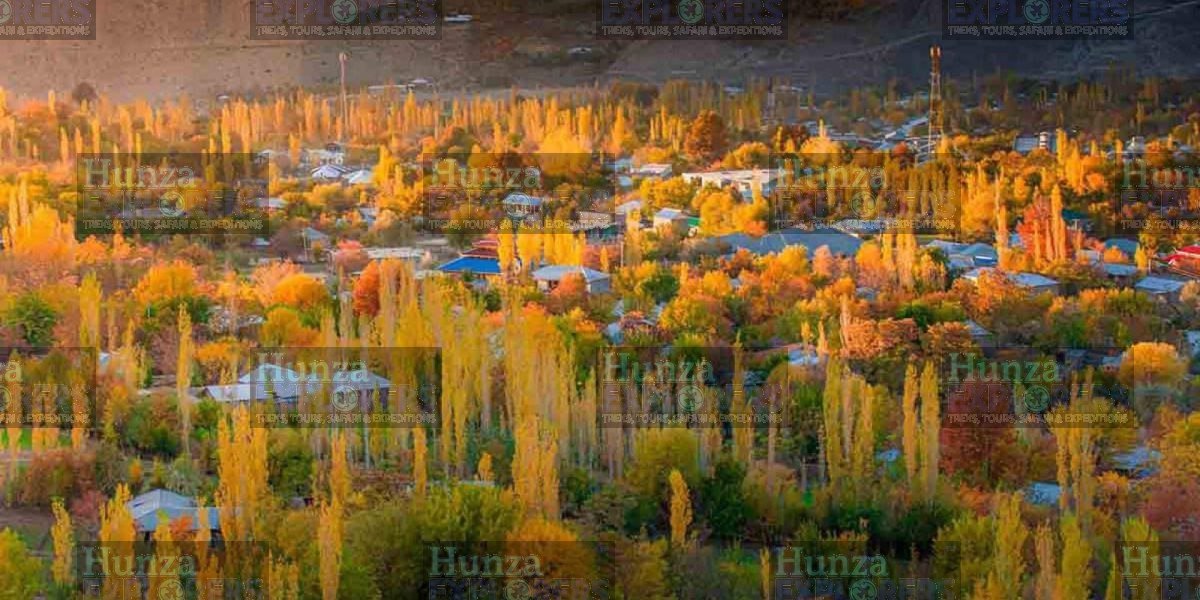
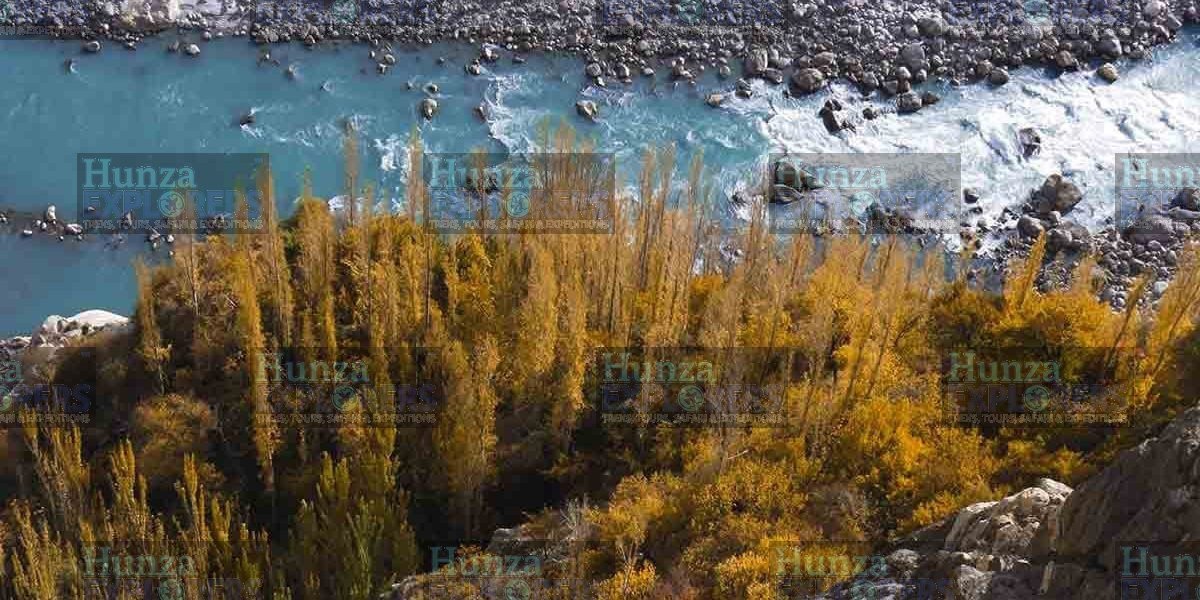
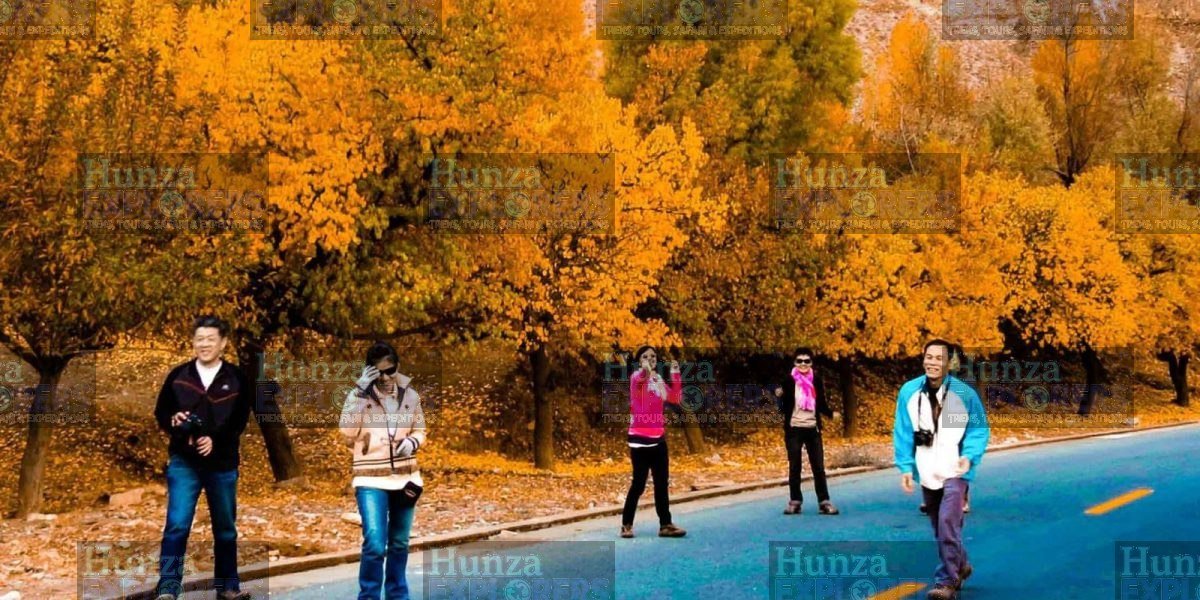
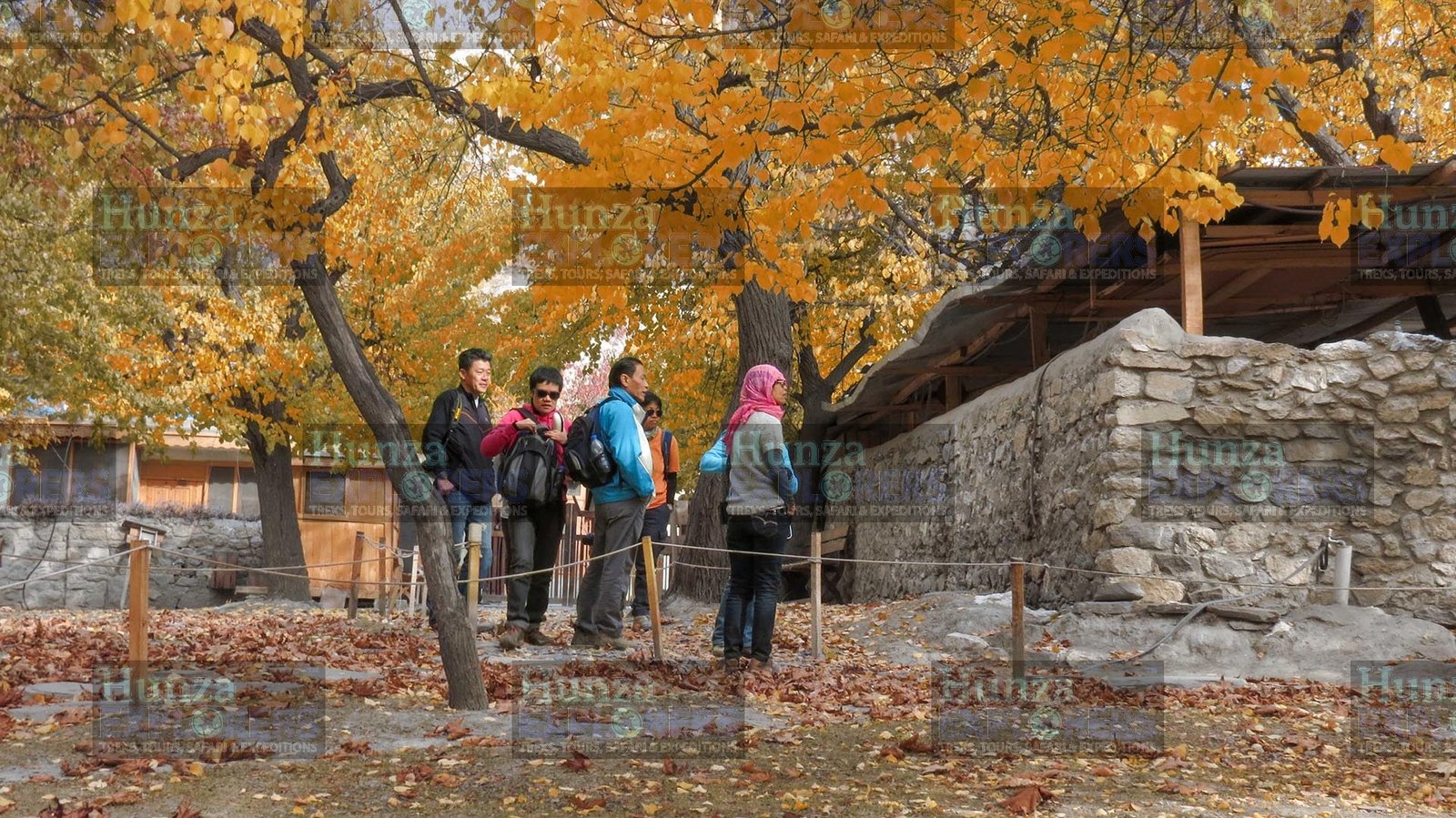
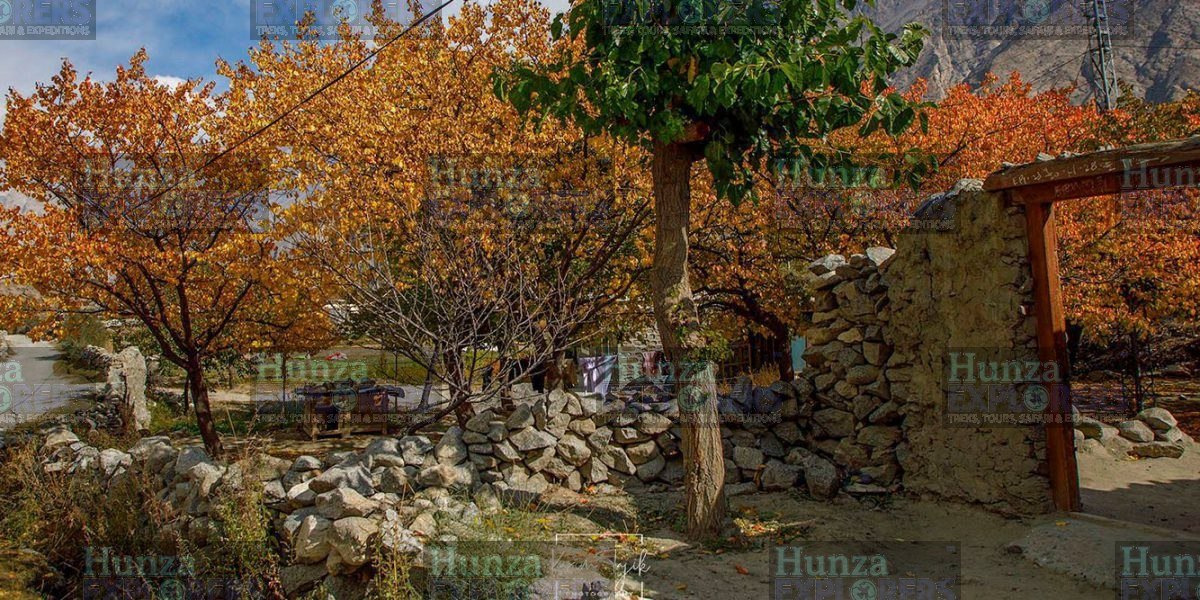
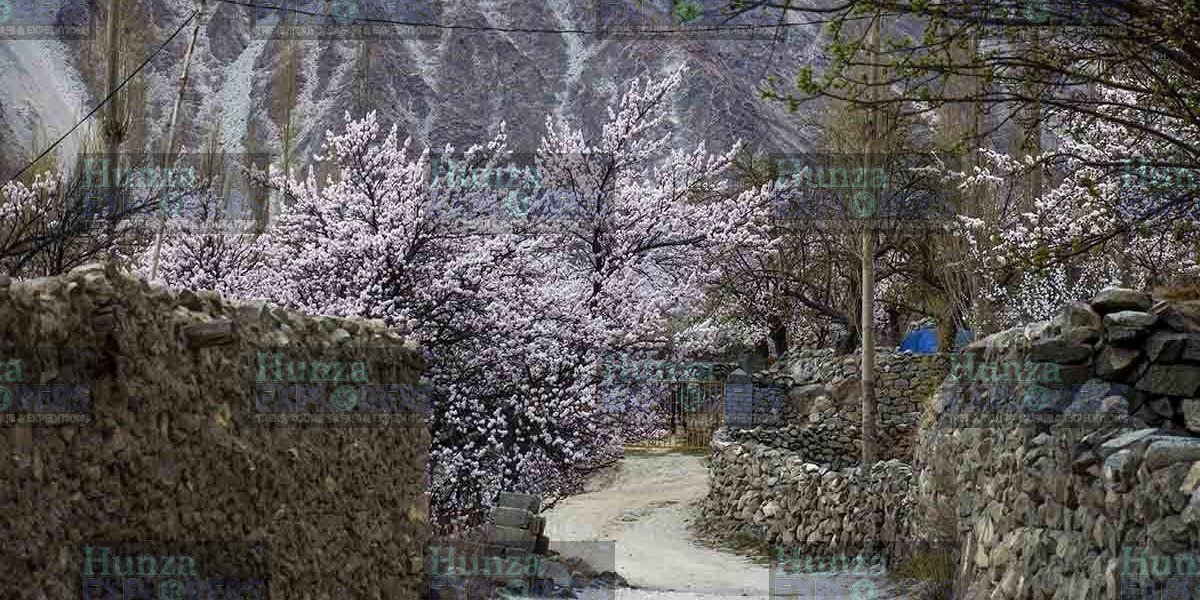
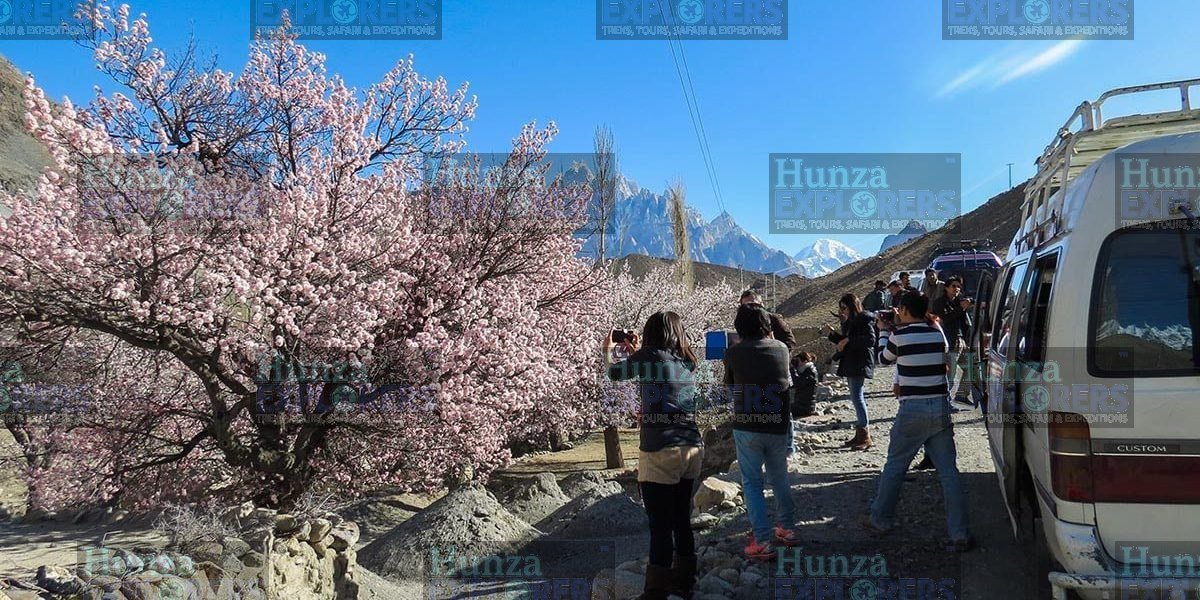
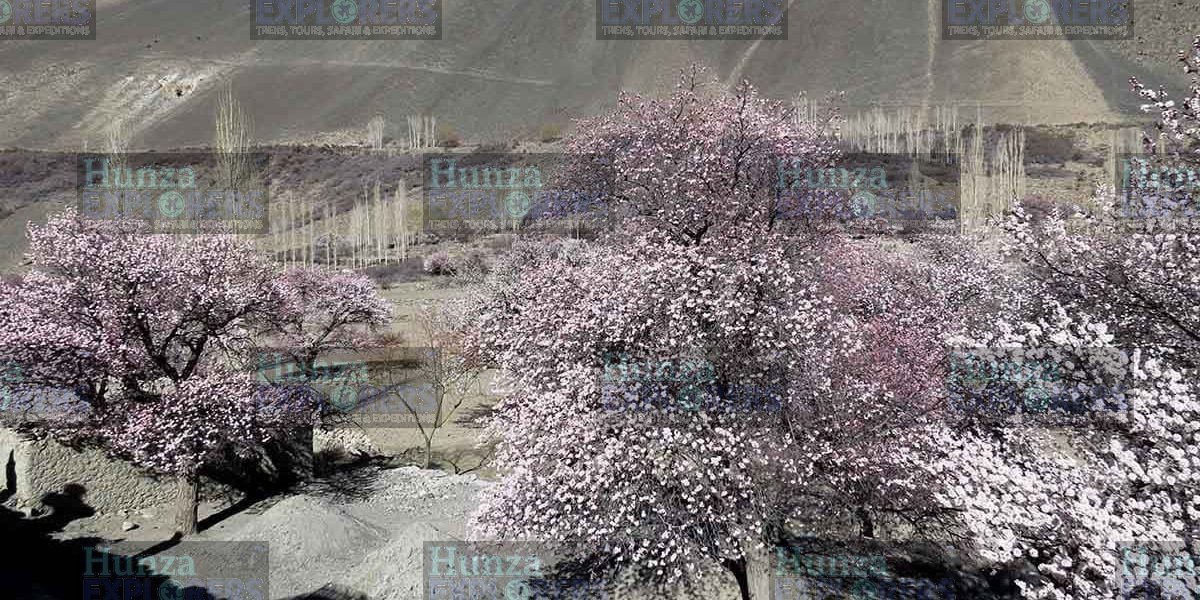
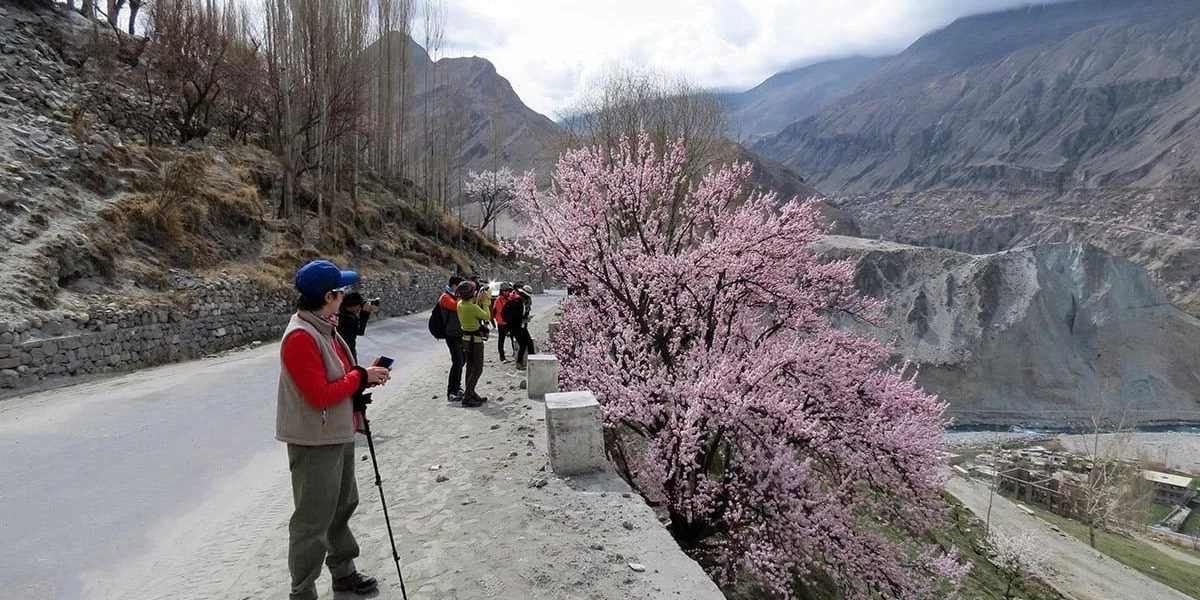
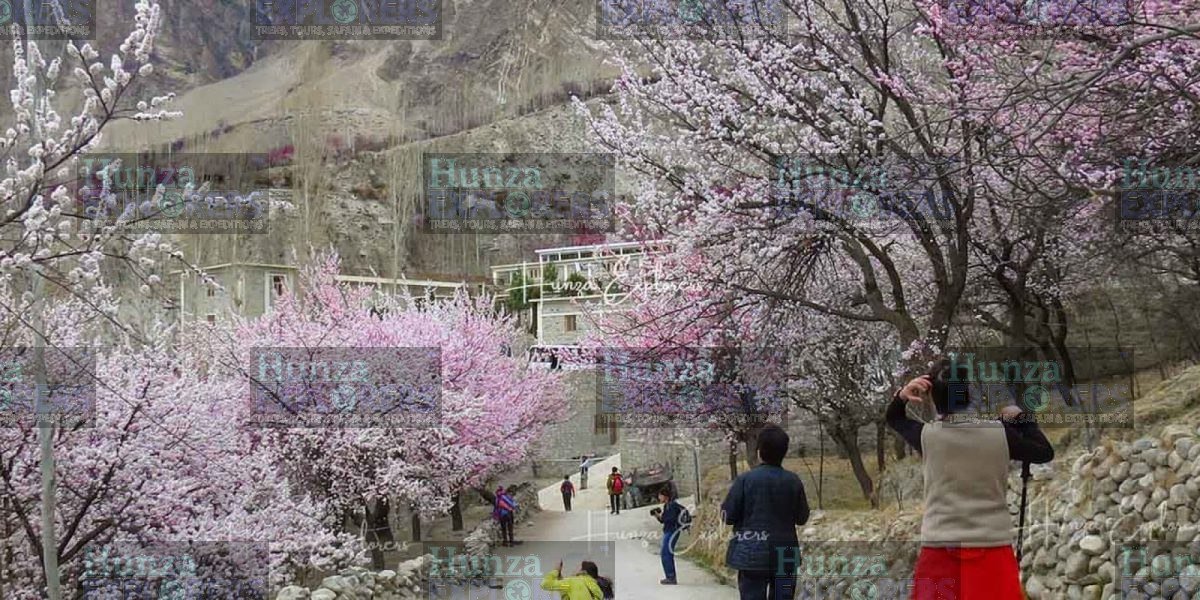
Spring (March–April) brings beautiful apricot and cherry blossoms, while summer offers green landscapes and access to many high-altitude trekking routes. Autumn (September–October) transforms the orchards and villages into brilliant shades of yellow, orange and red. Winter provides quieter mountain scenery, although snow and cold weather can restrict access to some areas.
Whether planning a short sightseeing holiday, a cultural journey, a photography tour or an extended adventure, this guide introduces the essential places, experiences and practical information needed to explore Hunza Valley.
At Hunza Explorers Treks & Tours, established in 2003 and rooted in Ghulkin, Upper Hunza, we organise private tours, small-group journeys, cultural experiences and mountain adventures supported by our local knowledge of the region.
Historic royal fort overlooking Karimabad, with traditional architecture and panoramic mountain views.

Ancient fortified settlement and restored heritage landmark overlooking the Hunza River.
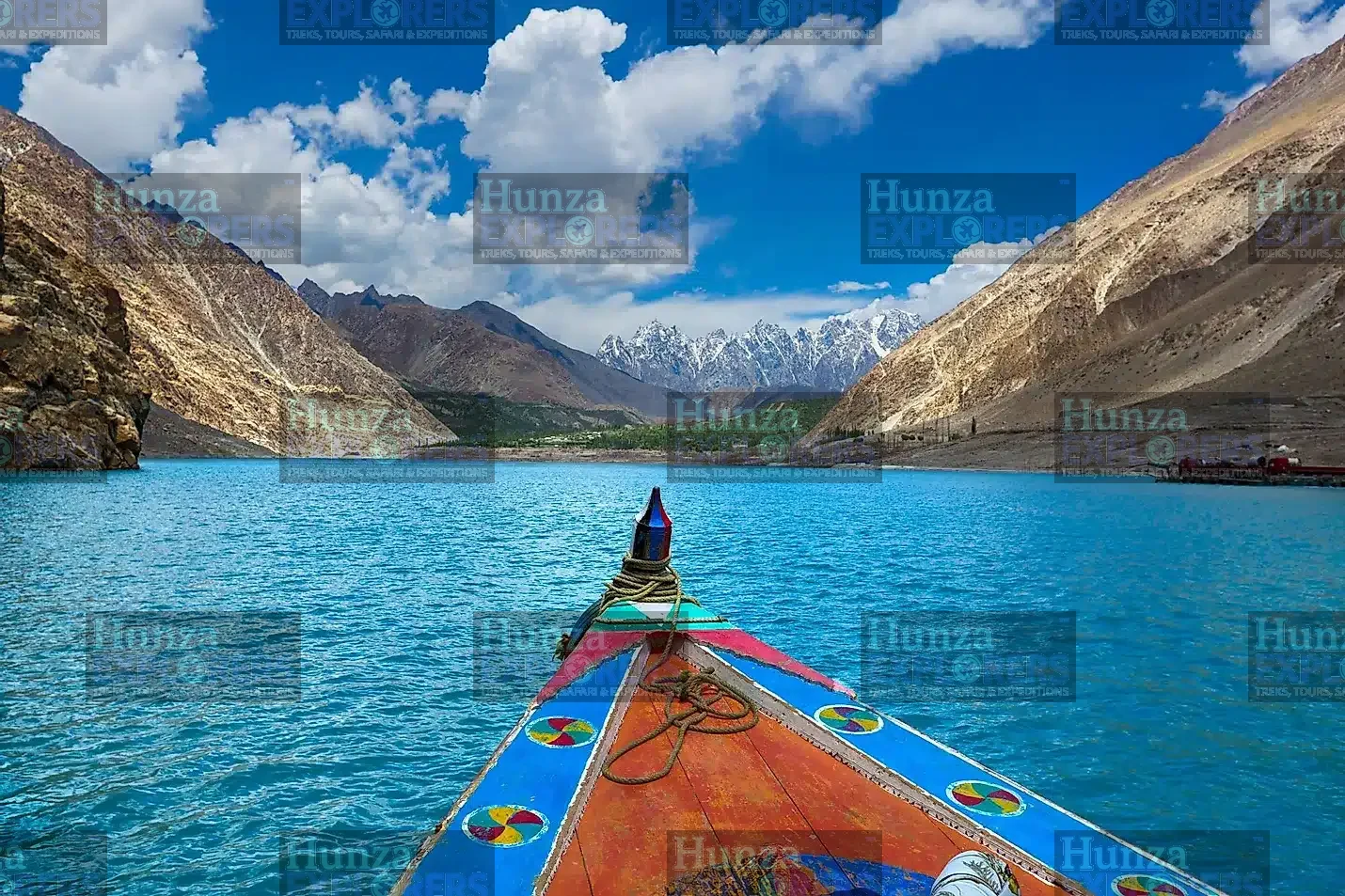
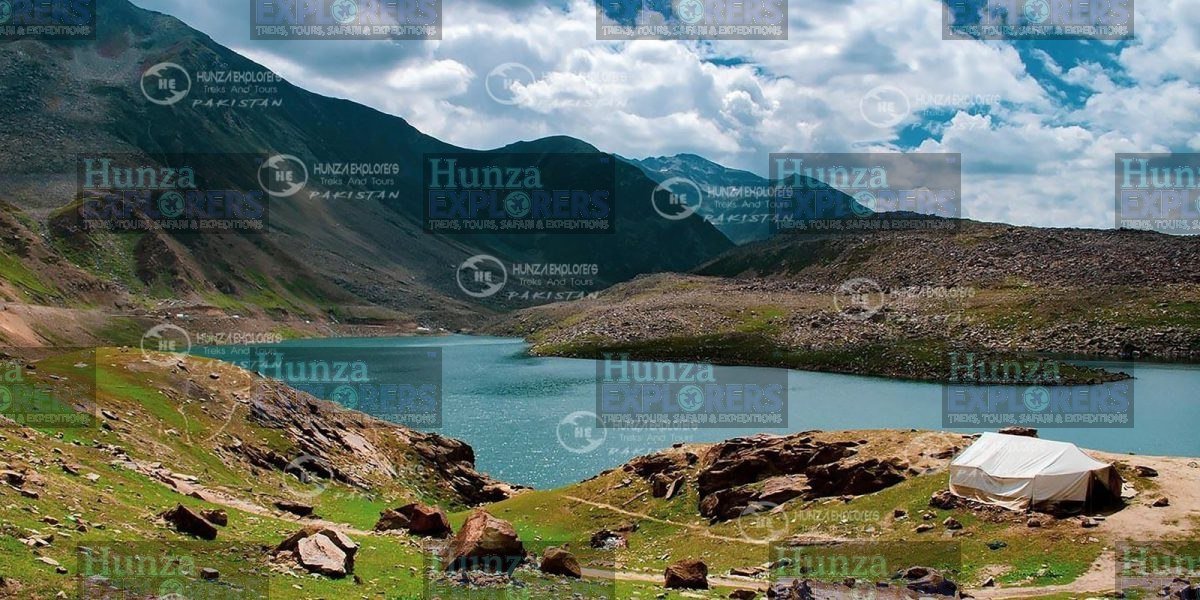
Turquoise mountain lake formed by a major landslide in 2010, popular for sightseeing and boating.

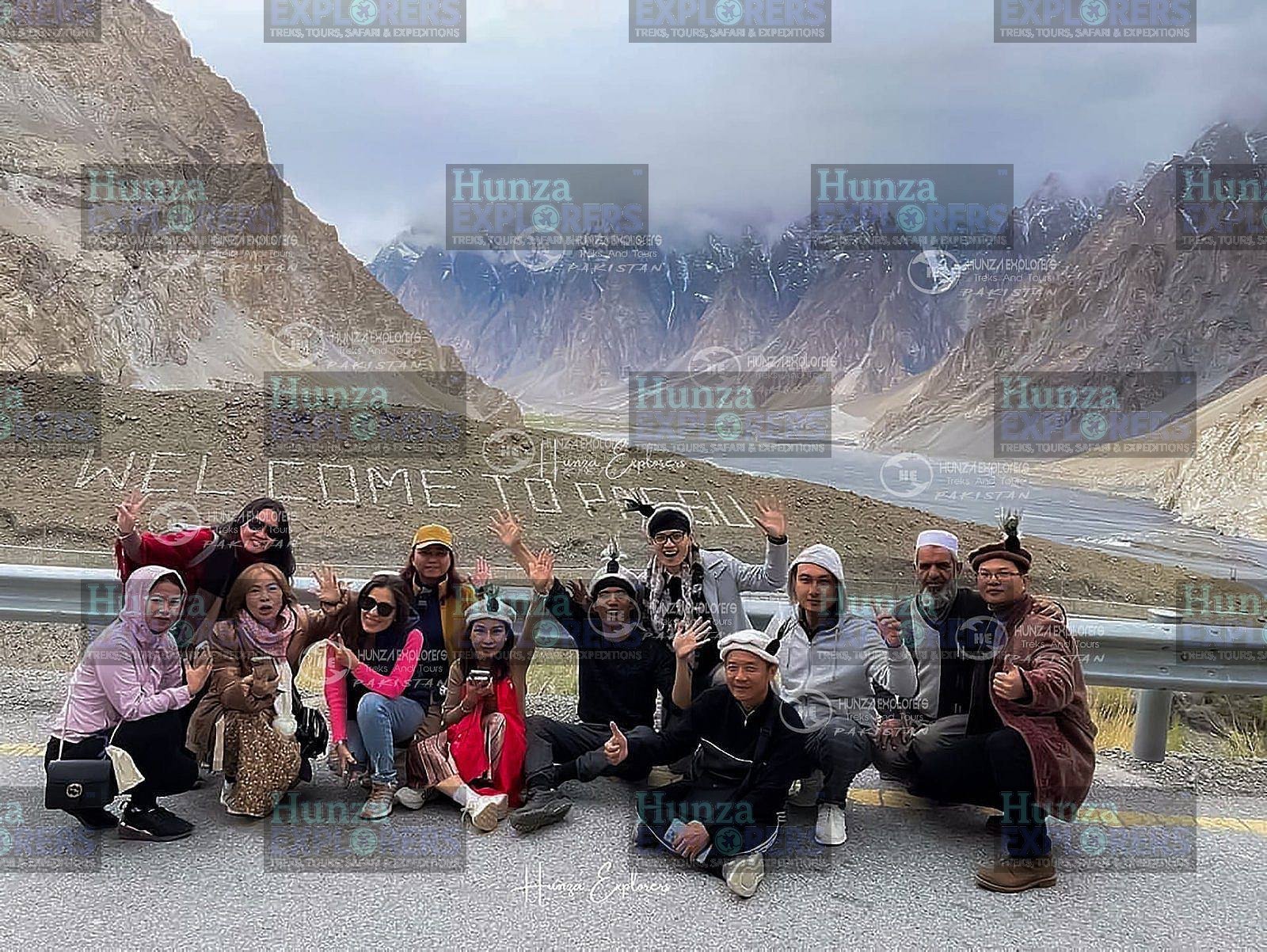
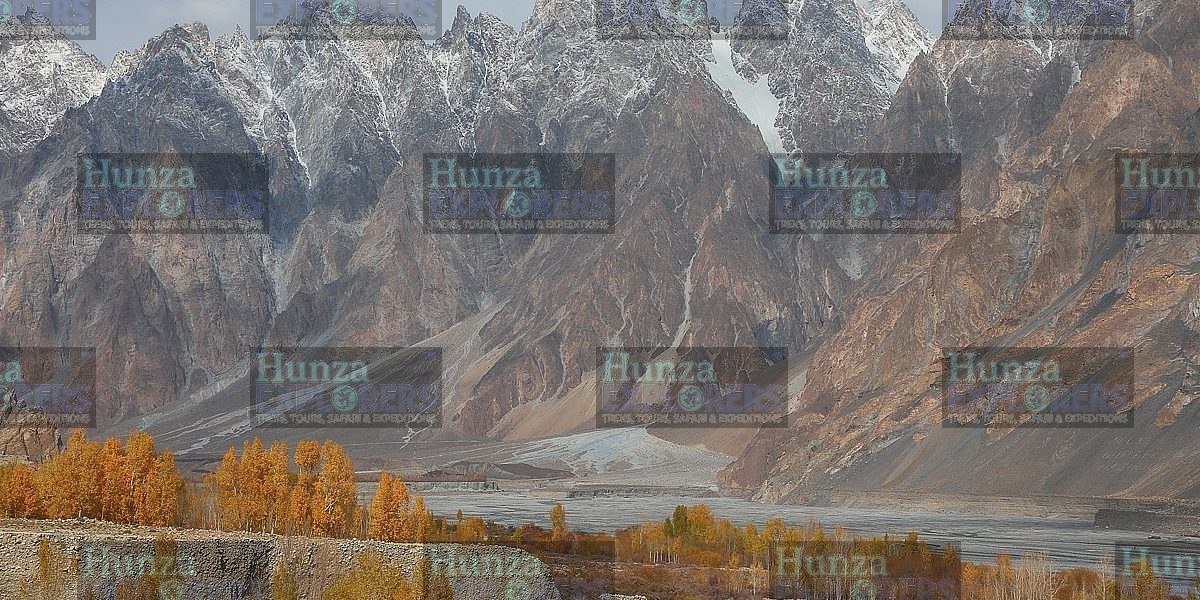
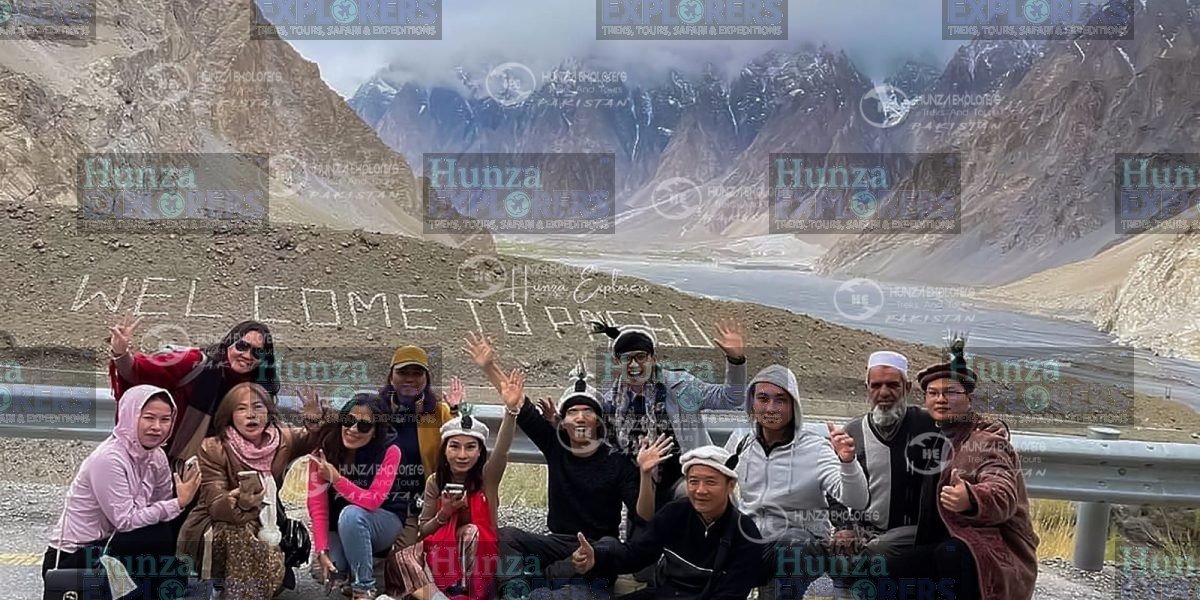
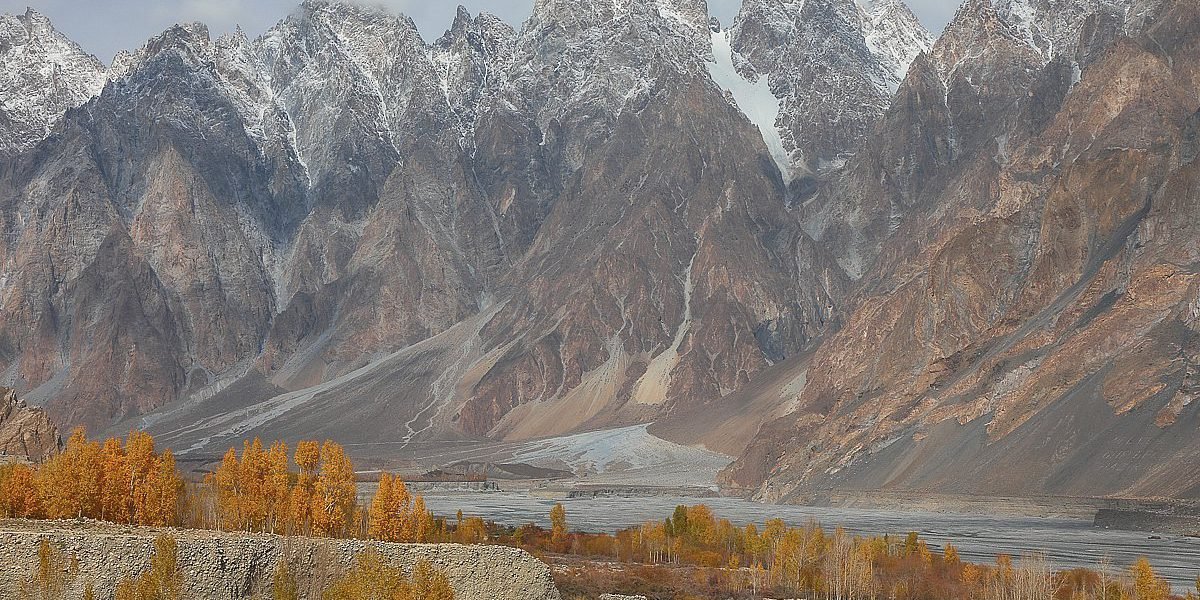
Iconic pointed mountain formations rising dramatically above the Karakoram Highway in Upper Hunza.
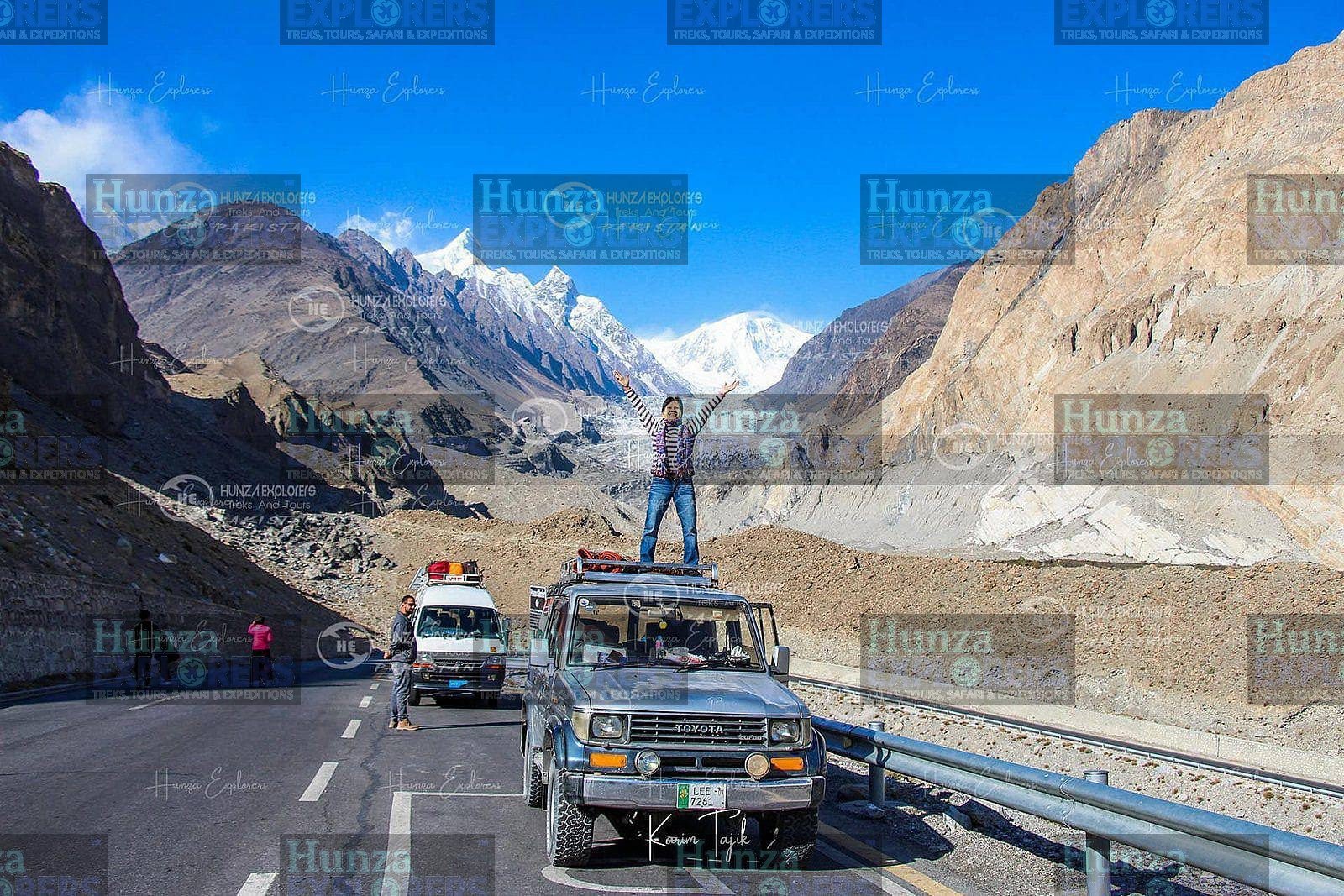
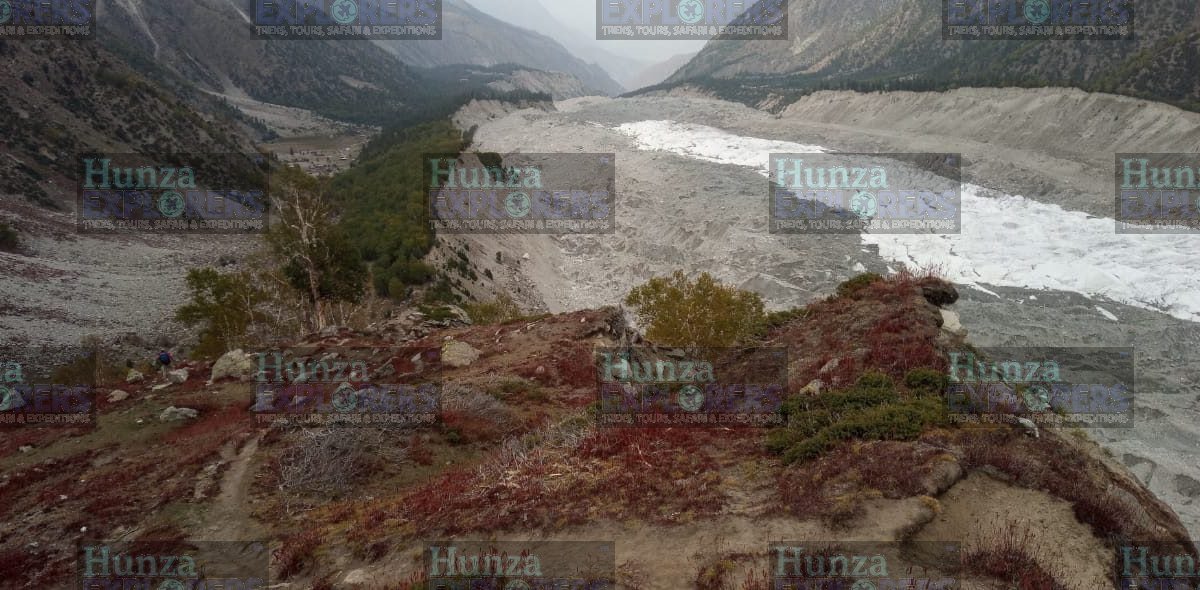
Impressive Karakoram glacier accessible by walking routes from the Passu area.
Traditional Wakhi-speaking village known for its heritage, orchards and mountain surroundings.

Historic settlement in Upper Hunza with traditional houses, cultural sites and mountain views.
Elevated viewpoint above Central Hunza, renowned for sunrise, sunset and mountain panoramas.
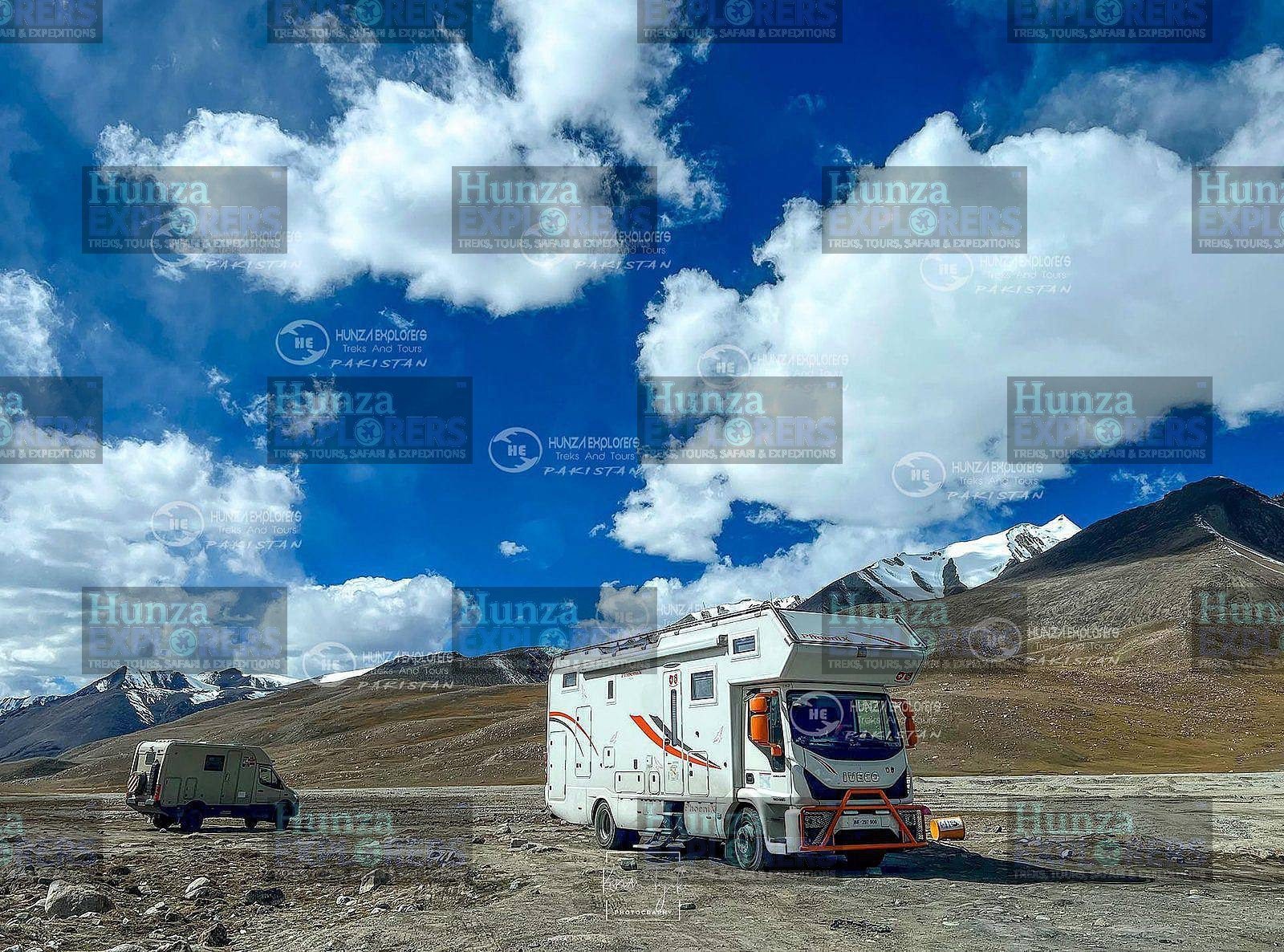
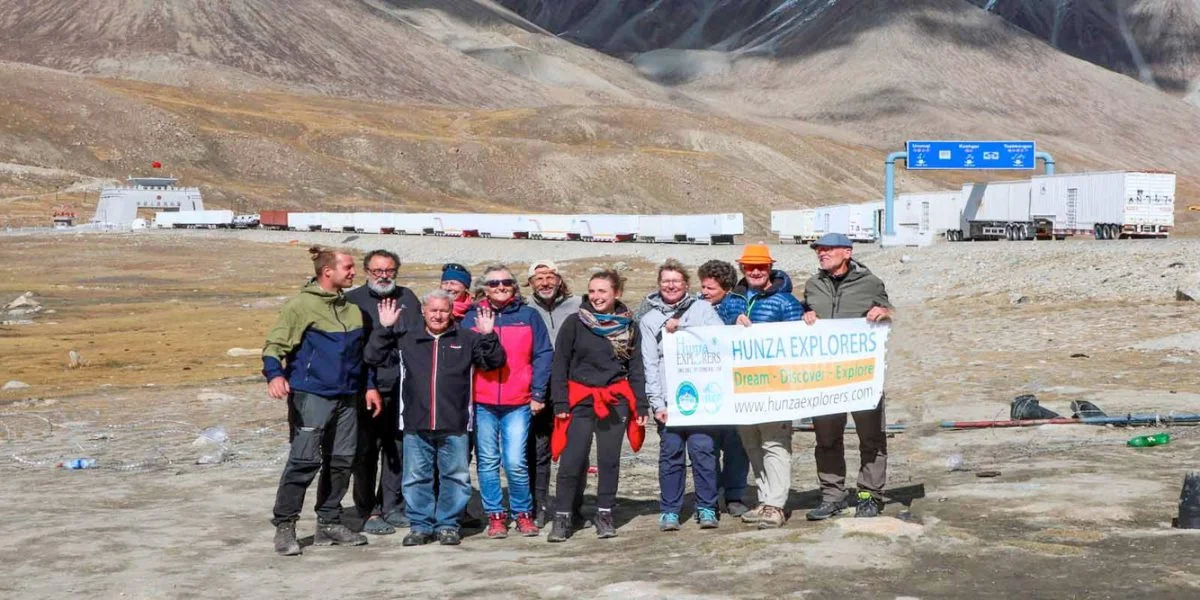
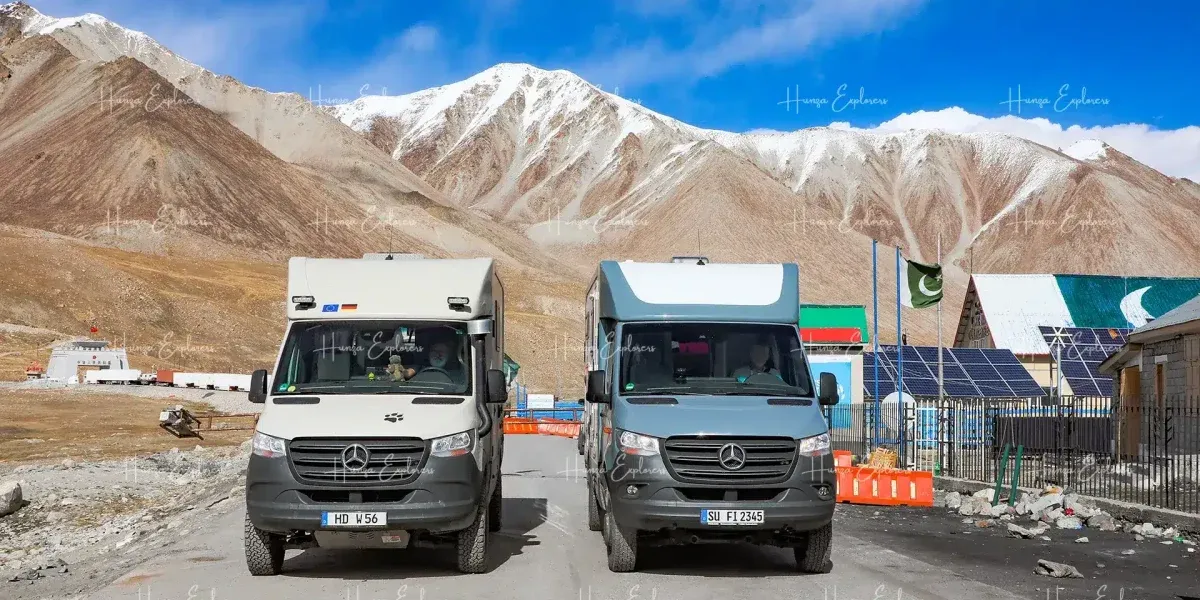
High-altitude border pass on the Karakoram Highway between Pakistan and China, approximately 4,693 metres above sea level.
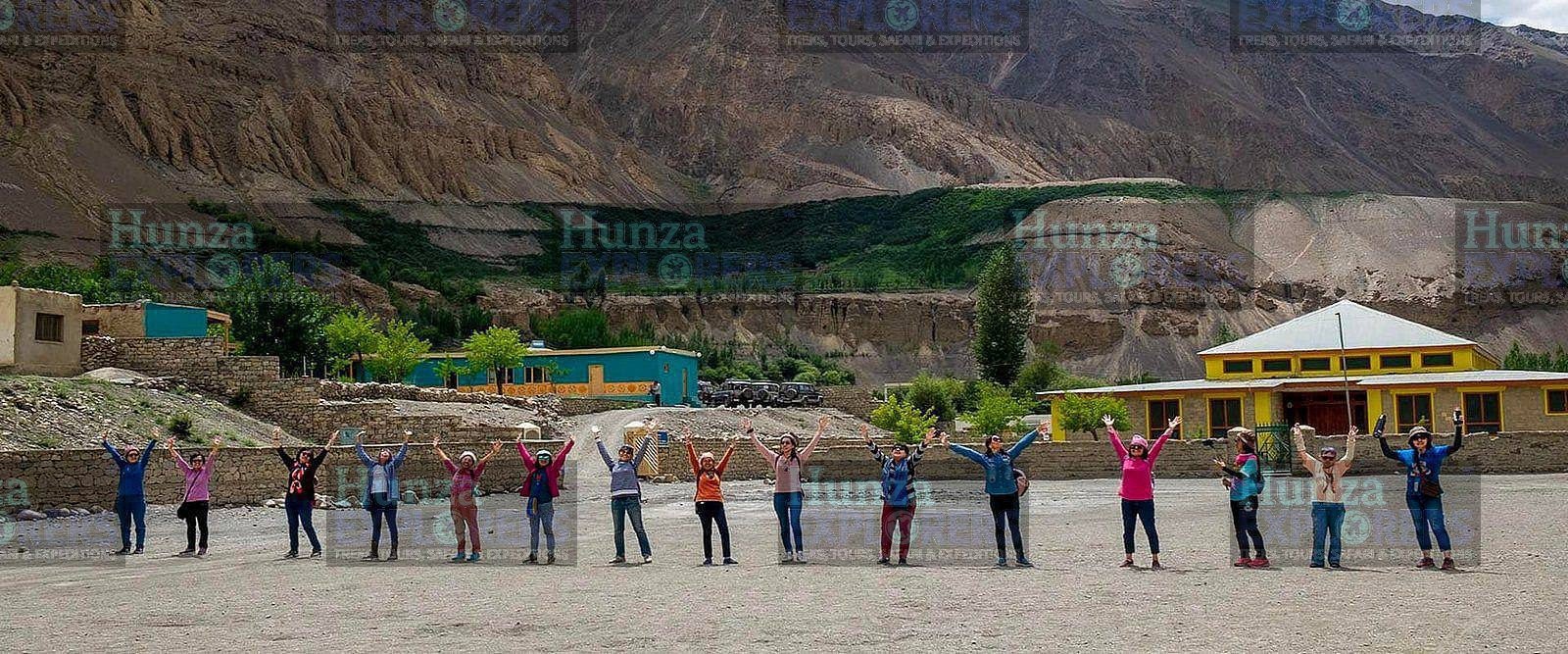
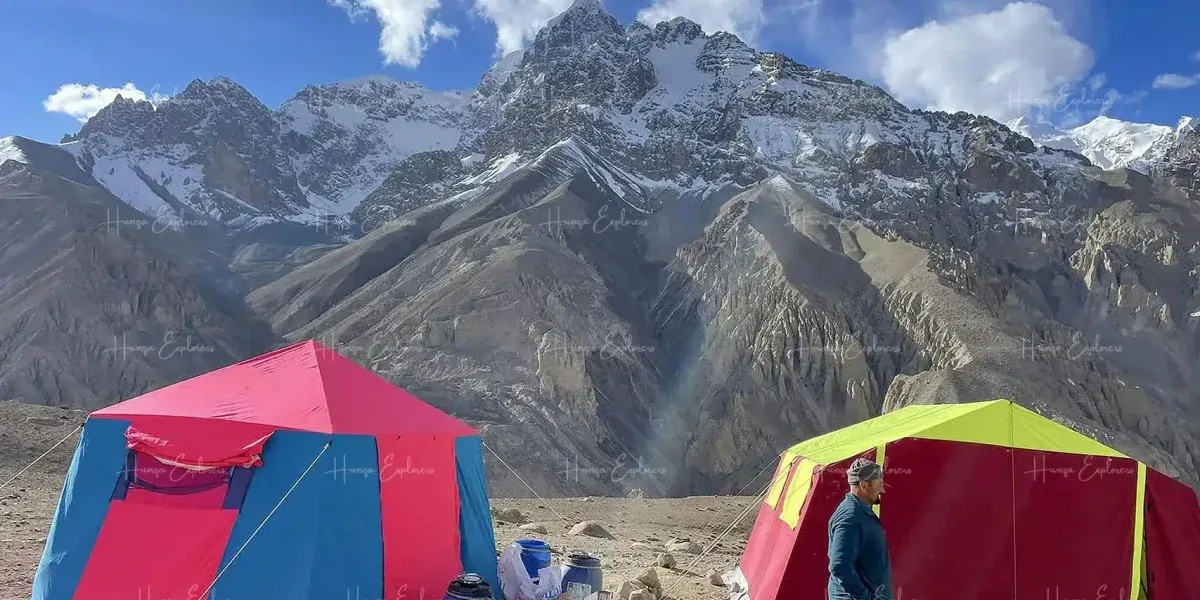
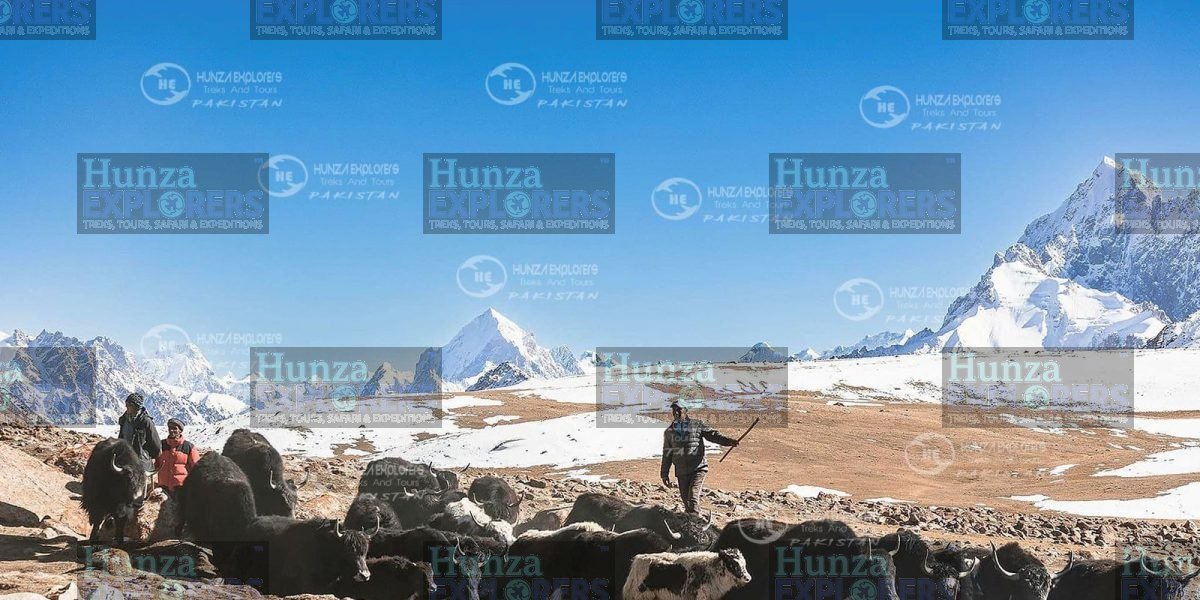
Remote mountain valley known for traditional pastoral life, trekking and mountaineering routes.
Destination-first planning for Hunza Valley, backed by local teams across Gilgit-Baltistan.
Our on-ground team knows the routes, stays, viewpoints, and seasonal flow of Hunza Valley.
Hunza Explorers has been organising tours, treks and travel experiences across Pakistan since 2003, combining destination expertise with professional trip planning.
Our local guides introduce travellers to Hunza's history, traditions, landscapes and everyday life through meaningful cultural experiences.
Choose from personalised private journeys, scheduled group departures, sightseeing holidays, cultural tours, photography trips and trekking adventures.
We tailor itineraries to suit different interests, travel dates, accommodation preferences, fitness levels and budgets.
We work with selected transport providers, hotels and local partners to arrange practical and comfortable journeys throughout the region.
Our planning takes account of mountain weather, road conditions, seasonal access and suitable alternatives when travel plans need adjustment.
We encourage respectful cultural exchange, environmentally responsible travel and opportunities that support local communities and businesses.
Highlights:
Highlights:
Highlights:
Highlights:
Explore curated tour packages, treks, and travel experiences in Hunza Valley. Book with confidence.
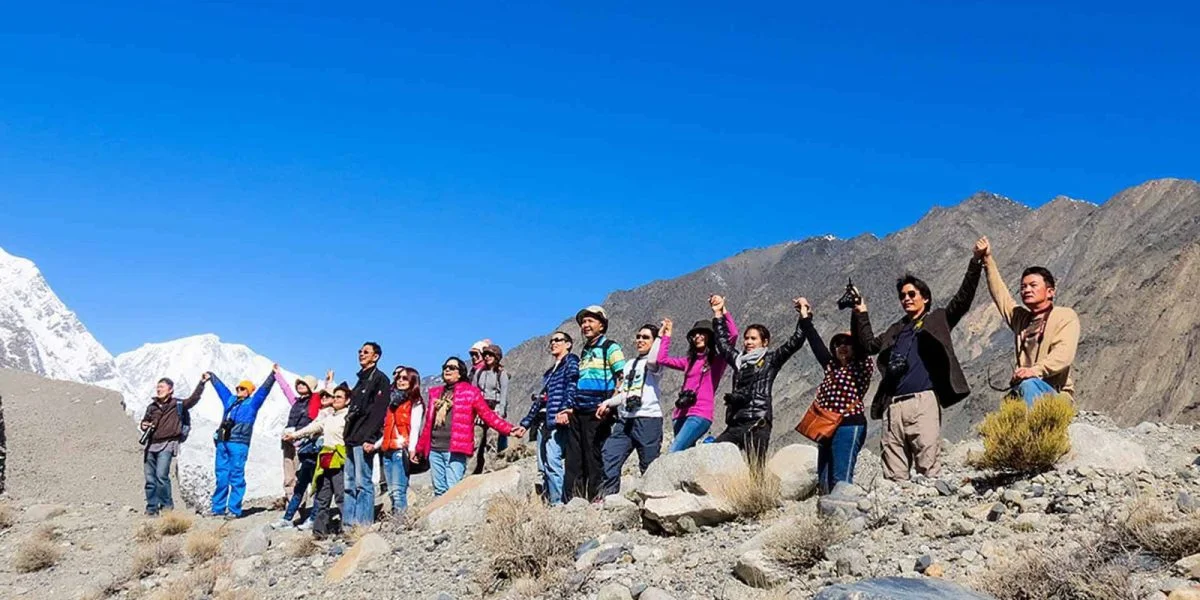
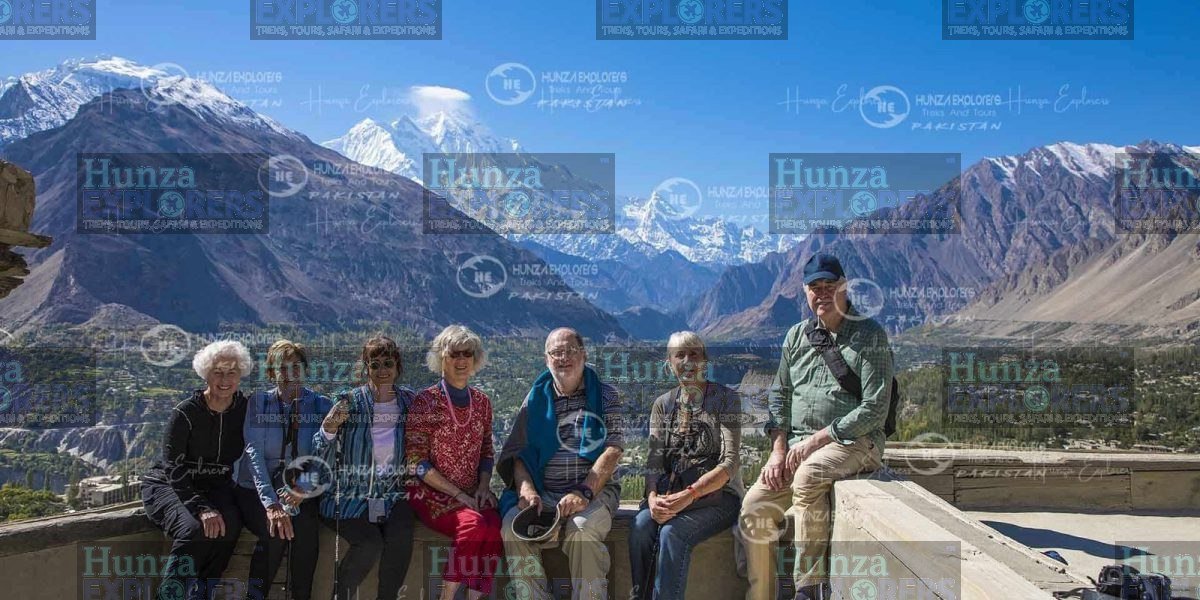
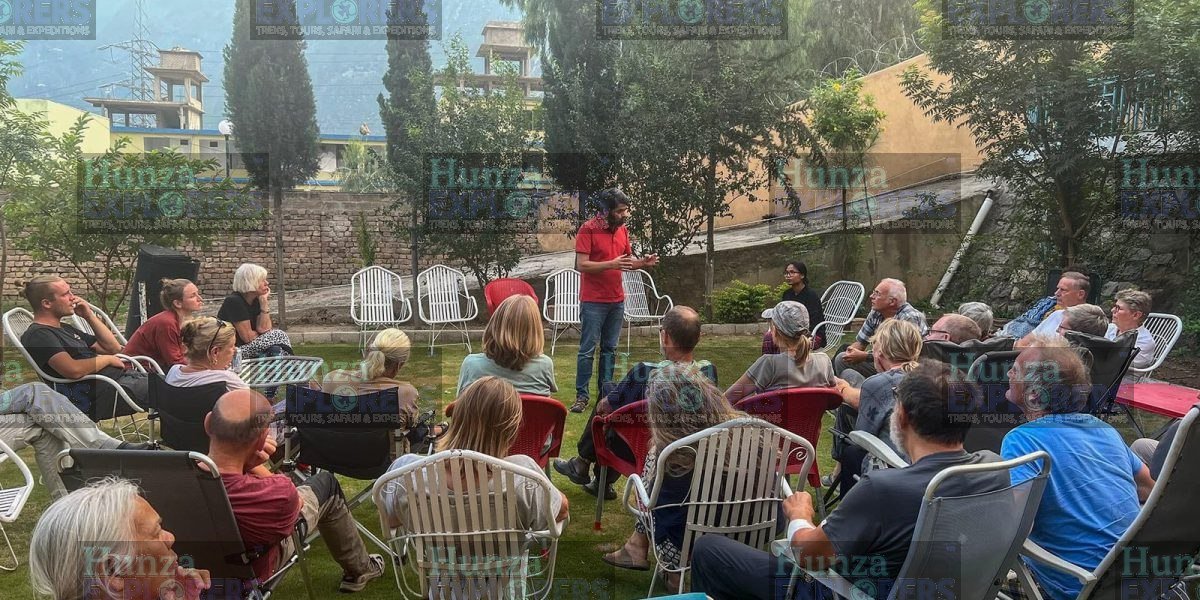
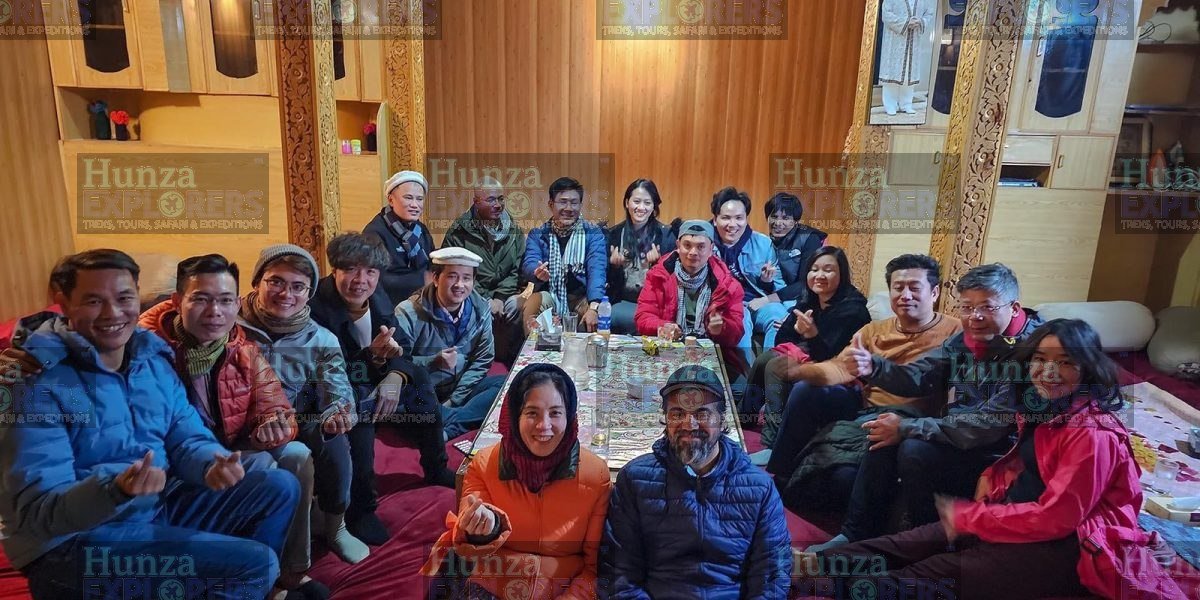
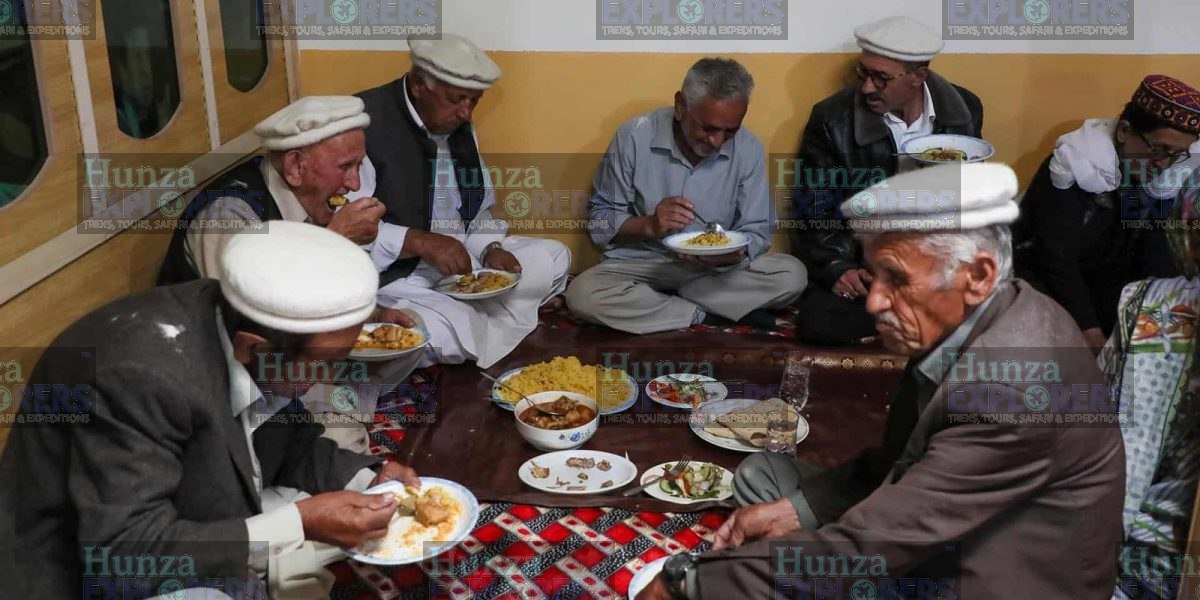
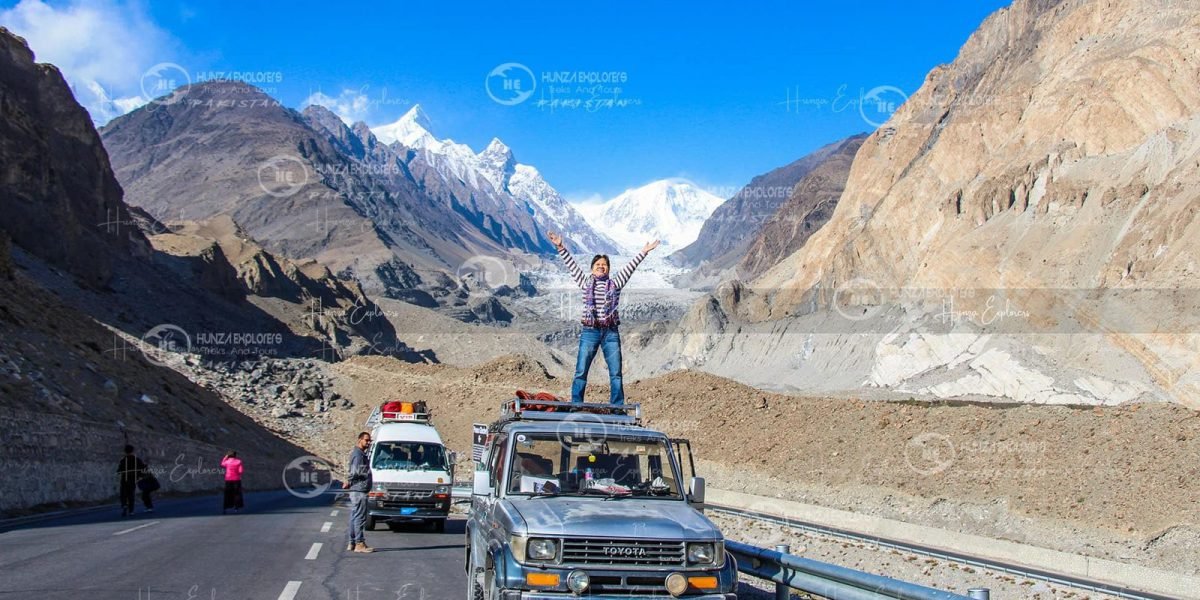
Discover exciting outdoor activities, adventures, and unique experiences in Hunza Valley.
Everything you need to know before planning your trip to Hunza Valley.