Skardu & Hunza Valley Cherry Blossom Tour: A Spring Journey Through the Karakoram
There is a brief and beautiful period each spring when the valleys of Gilgit-Baltistan begin to emerge from winter. Snow remains on the surrounding mountains, while orchards in the lower valleys start to flower, villages become surrounded by shades of white and pink, and the first signs of spring return to the cultivated fields. The Skardu & Hunza Valley Cherry Blossom Tour is designed around this remarkable seasonal transformation, bringing together two of northern Pakistan's most distinctive mountain destinations in one journey.
Skardu and Hunza offer very different landscapes and cultural experiences. Skardu, in Baltistan, is characterised by broad mountain valleys, dramatic rocky terrain, historic settlements and some of the most spectacular scenery of the Karakoram. Hunza, farther north, is known for its terraced settlements, orchards, historic forts, traditional villages and extraordinary mountain views. Visiting both during spring creates a journey where blossom-filled orchards are constantly contrasted with rugged mountains and snow-covered peaks.
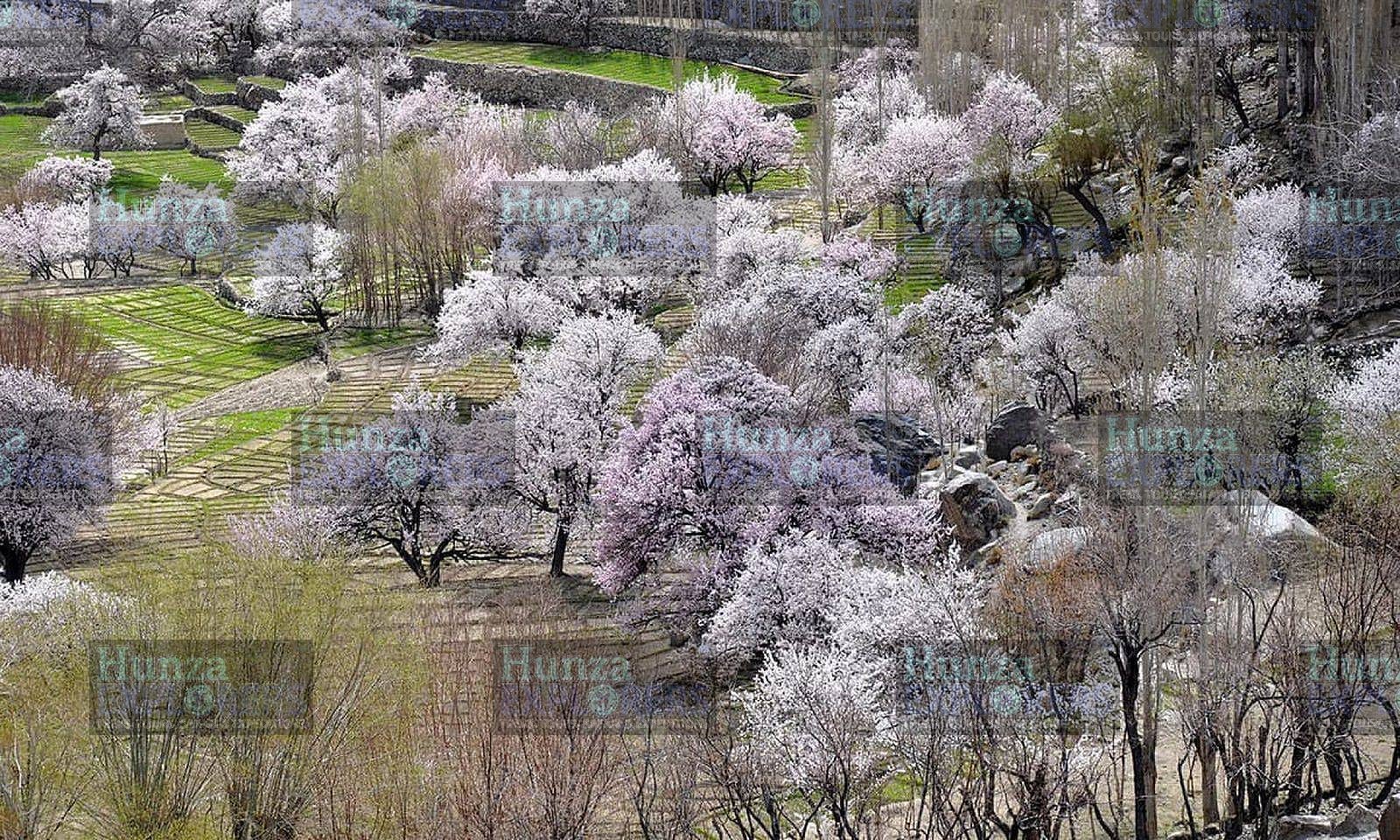
The term "cherry blossom season" is commonly used for spring travel in northern Pakistan, although the flowering landscape includes several fruit trees. Cherry, apricot, almond and other orchard trees contribute to the colours of the season. The exact flowering period changes from year to year depending on winter temperatures, elevation and local weather conditions. Blossom also develops progressively through the valleys, meaning that different locations can reach flowering at different times.
Spring in Skardu: Orchards Beneath the Mountains
Skardu provides a dramatic beginning to the journey. The landscape of Baltistan is immediately different from the greener appearance associated with many lower-altitude parts of Pakistan. Wide valleys are surrounded by barren mountain slopes, enormous rock faces and high peaks, while cultivated areas and villages occupy pockets of fertile land.
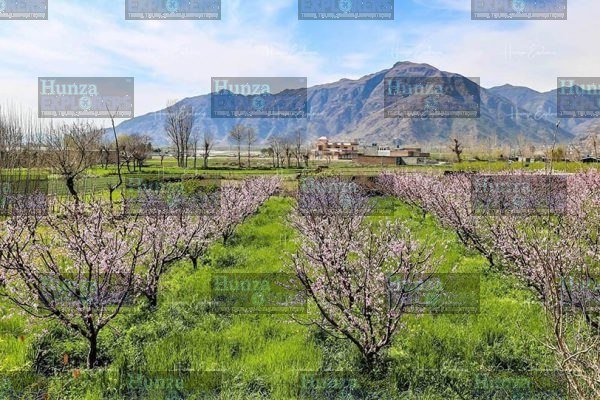
During spring, these cultivated areas begin to change. Fruit trees around settlements start flowering while snow remains visible across the higher mountains. The contrast is one of the defining visual features of a Skardu spring tour: delicate blossoms and emerging greenery set against the powerful landscape of the Karakoram.
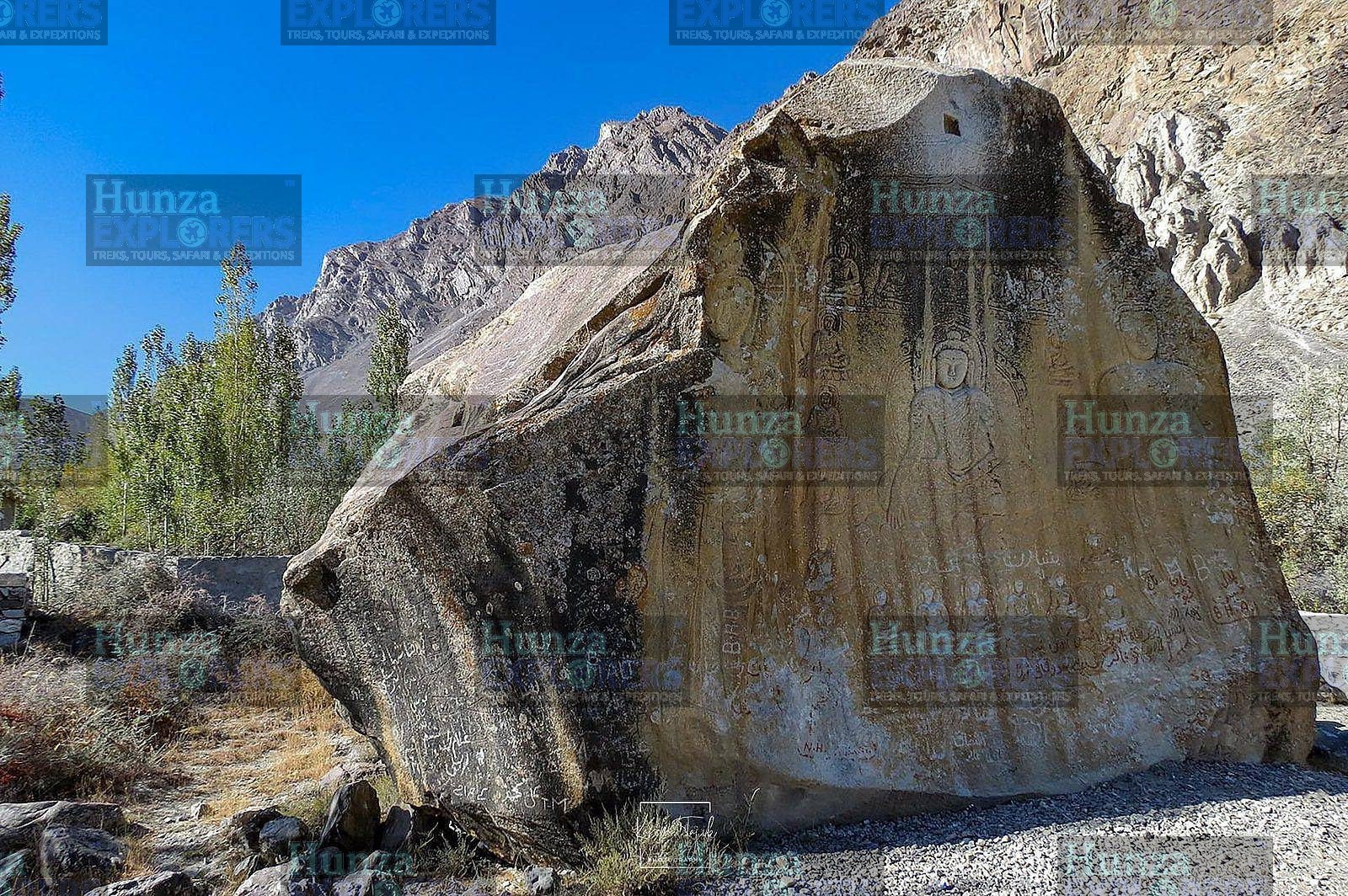
The Skardu region also offers an opportunity to experience the heritage of Baltistan. Skardu Valley is surrounded by historic settlements and mountain landscapes, while nearby Shigar Valley provides a different perspective on the region's traditional architecture, agricultural communities and cultural history. Shigar Fort is one of the area's important heritage landmarks and adds a historical dimension to the journey.
Spring is also a period of transition for travel in Baltistan. Conditions can remain cold, particularly during mornings and evenings, and higher mountain routes may still be affected by winter conditions. The journey therefore focuses on accessible valleys and established destinations rather than assuming that every high-altitude route is open during March and April.
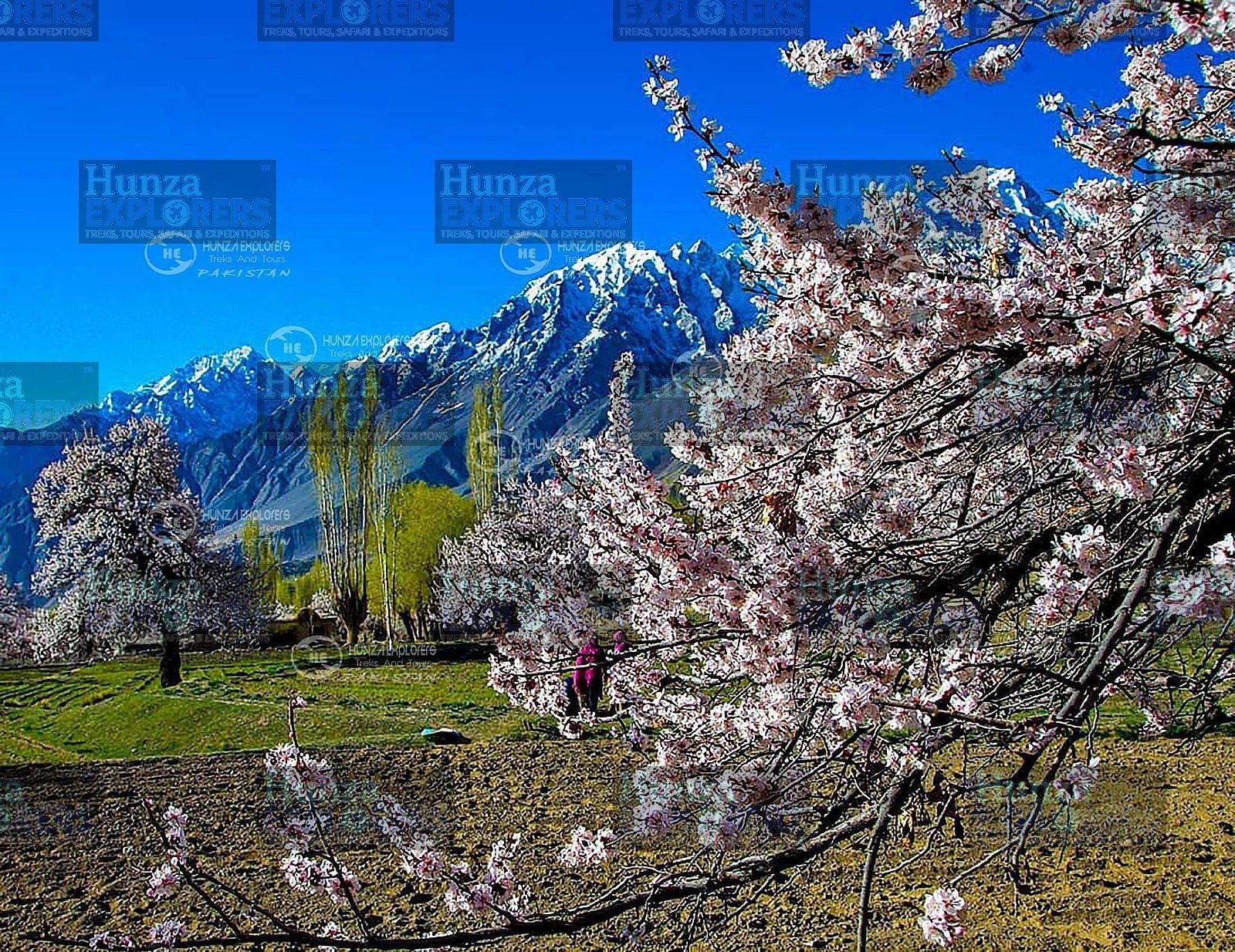
For photographers, this seasonal combination is particularly rewarding. A flowering orchard can provide a close foreground while the surrounding mountains remain covered with snow. For travellers interested in culture, the same landscape reveals how communities have developed agriculture and settlements within an otherwise rugged mountain environment.
The experience is not limited to finding individual trees in bloom. Villages, orchards, irrigation channels, fields, traditional homes and mountain roads all form part of the spring landscape. This makes Skardu an important part of the overall journey rather than simply a starting point for Hunza.
From Skardu to the Blossoms of Hunza
The journey towards Hunza brings another change in scenery. The valleys become increasingly shaped by the Karakoram, and the route follows some of the most impressive mountain landscapes in northern Pakistan. As the journey progresses, cultivated terraces, villages and orchards appear between steep mountain slopes.
Hunza is particularly well known for its spring orchards. Around the lower and central parts of the valley, flowering trees create a striking contrast with the high mountains surrounding the settlements. The historic town of Karimabad provides a natural base for exploring the cultural and historical character of central Hunza.
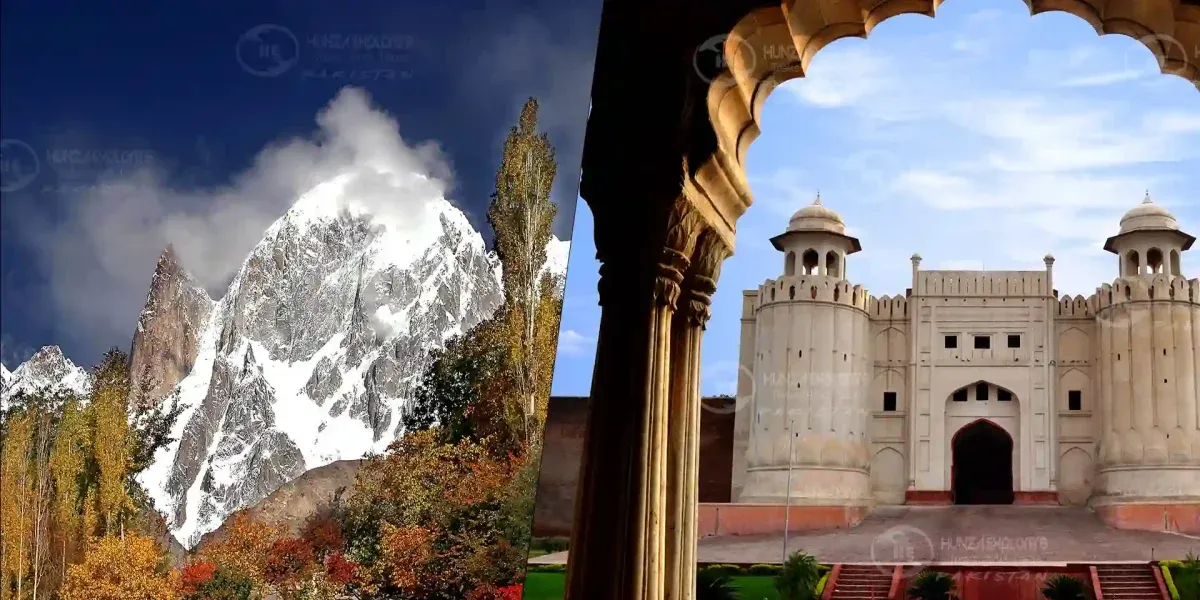
The valley's heritage is an important part of the experience. Baltit Fort, overlooking Karimabad, is one of Hunza's most recognisable historic landmarks, while Altit Fort stands above the historic settlement of Altit. Ganish Village, one of the oldest settlements in Hunza, provides another connection with the valley's long-established communities and traditional architecture.
Spring allows these historic places to be experienced within a changing landscape. Orchards begin to flower around settlements, while the higher mountains retain their winter appearance. This combination gives Hunza its distinctive spring character and creates a setting very different from the summer landscape.
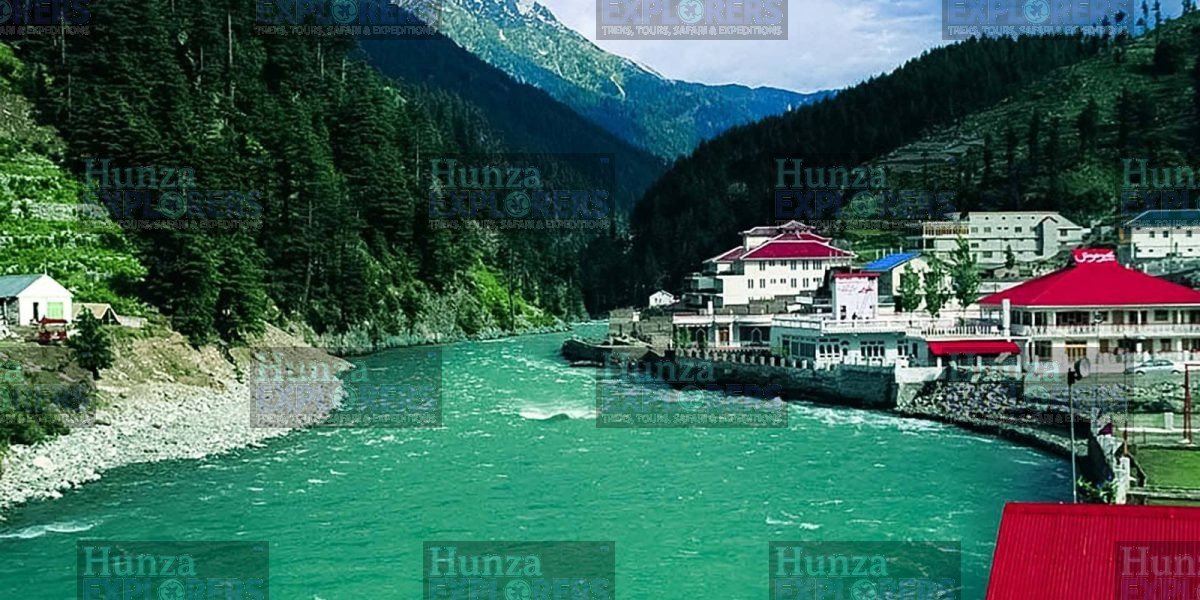
The journey can also extend towards the upper Hunza region along the Karakoram Highway, one of the defining roads of northern Pakistan. The route passes through dramatic mountain scenery, traditional settlements and the deep valleys of Gojal. Attabad Lake is one of the most recognisable natural landmarks along the route, surrounded by steep mountains and connected to the wider landscape of Upper Hunza.
Beyond central Hunza, the scenery becomes increasingly rugged. Villages such as Gulmit, Passu and other settlements of Gojal sit among some of the most recognisable peaks of the Karakoram. The famous Passu Cones provide one of the region's best-known mountain landscapes, with sharply defined peaks rising dramatically above the valley.
The appeal of this journey is therefore not simply the possibility of seeing blossom. It is the combination of seasonal scenery, mountain landscapes, history and local life. A flowering orchard in Hunza has greater meaning when experienced alongside the historic settlements, traditional villages and mountains that define the valley.
The timing of blossom should always be understood as seasonal rather than guaranteed to a particular date. Spring generally falls between March and April according to the Hunza Explorers seasonal definition, but flowering can vary according to location and annual weather conditions. Lower elevations may begin flowering earlier, while higher areas can follow later. Travellers planning specifically for blossom should therefore allow some flexibility and understand that nature does not follow an exact calendar.
This is one of the reasons the Skardu & Hunza Valley Cherry Blossom Tour works as a complete spring journey rather than simply a photography trip. Even when individual trees are at different stages of flowering, the wider landscape remains compelling. Snow-covered mountains, emerging greenery, traditional villages, historic forts and cultivated valleys all contribute to the experience.
For travellers visiting Gilgit-Baltistan for the first time, the tour provides an opportunity to experience two major mountain regions within one itinerary. Skardu introduces the landscapes and heritage of Baltistan, while Hunza offers a different combination of orchards, historic settlements and Karakoram scenery. Together, they create a journey through one of Pakistan's most visually distinctive regions at a time when the landscape is changing from winter towards spring.
The Skardu & Hunza Valley Cherry Blossom Tour is ultimately a journey about contrast: flowers beneath towering mountains, ancient settlements beside modern mountain roads, cultivated valleys surrounded by rugged terrain, and spring arriving while winter still remains visible on the highest peaks. It is this combination that makes travelling through Skardu and Hunza during blossom season such a memorable way to experience Gilgit-Baltistan.
Why You'll Love This Tour
The Skardu & Hunza Valley Cherry Blossom Tour brings together two of Gilgit-Baltistan's most distinctive mountain regions during the short spring season. Rather than focusing on a single valley, the journey allows travellers to experience the contrasting landscapes of Baltistan and Hunza, from the broad mountain scenery around Skardu to the orchard-filled settlements and dramatic peaks of Hunza Valley.
Spring adds another dimension to the experience. Flowering cherry, apricot and other fruit trees appear around villages and cultivated areas, while snow remains on the surrounding mountains. The result is a landscape where blossom, traditional settlements and high peaks can be enjoyed together.
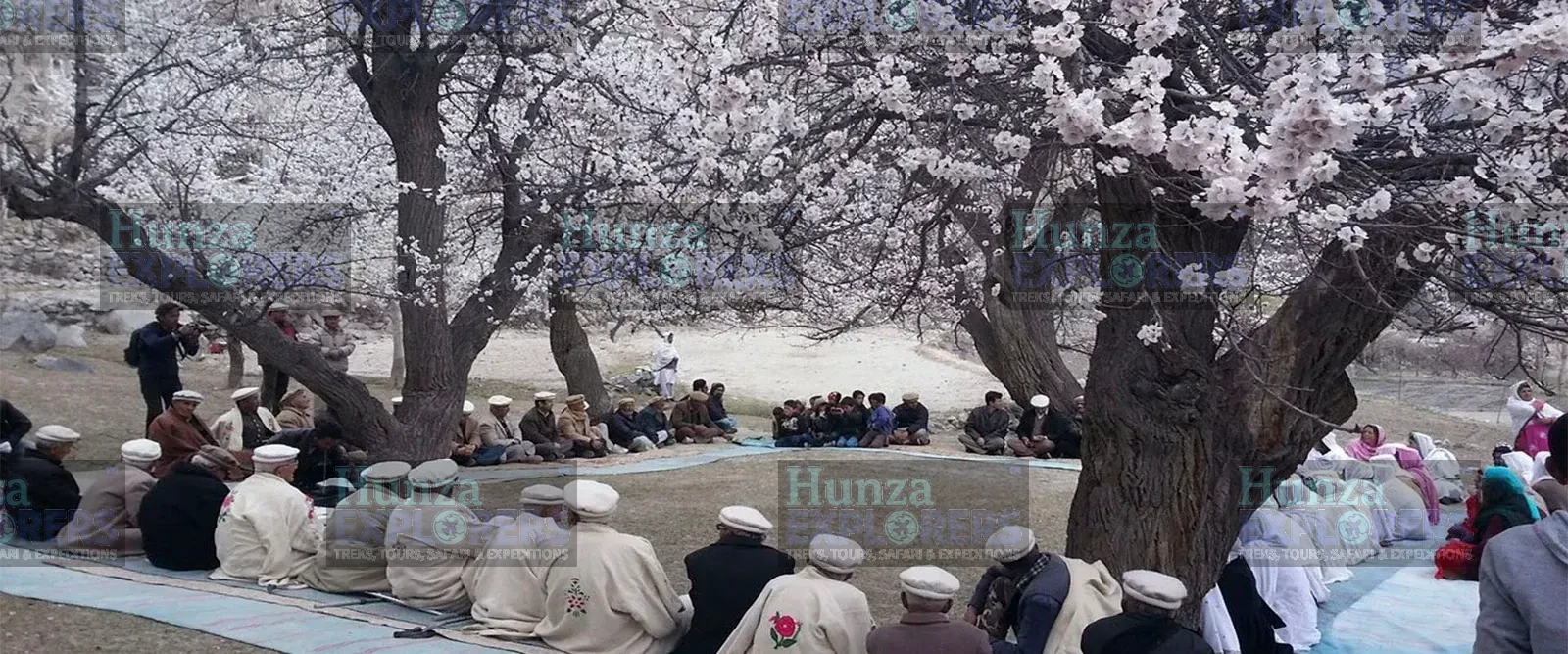
The tour is particularly suited to travellers interested in photography, mountain scenery, cultural heritage and authentic village landscapes. Historic places such as Baltit Fort, Altit Fort and Ganish Village add depth to the journey, while the route towards Upper Hunza introduces Attabad Lake, Gulmit, Passu and the spectacular Passu Cones.
The pace allows the journey to be appreciated as a complete mountain experience rather than simply a search for blossoms. Because flowering varies by elevation and annual weather conditions, the focus remains on experiencing the wider spring landscape rather than promising a particular bloom on a particular day.