Experience the Choimus Festival in the Heart of the Kalash Valleys
The Choimus Festival is one of the most important traditional celebrations of the Kalasha people, taking place each winter in the remote Kalash Valleys of Chitral, Khyber Pakhtunkhwa. Travelling to the valleys during this special period offers a rare opportunity to experience a living cultural tradition in its own mountain environment, surrounded by the dramatic landscapes of the Hindu Kush.
Choimus is also known by names including Chaumos and Chawmos. It is a winter festival connected with the traditional Kalasha religious and seasonal calendar. The celebrations involve a series of ceremonies and community activities rather than a single event held on one particular day. Some activities are open to visitors, while others are religious or community ceremonies reserved for the Kalasha people.
For travellers, this distinction is important. Choimus is not a festival created for tourism. It is a meaningful part of Kalasha life, and experiencing it requires respect for local customs, religious practices and community decisions. Our journey is designed to allow travellers to observe and understand the festival without treating sacred traditions as entertainment.
The journey takes us into the three principal Kalash Valleys: Bumburet, Rumbur and Birir. Each valley has its own villages and communities, while together they form the heartland of Kalasha culture. The valleys are surrounded by steep mountain slopes, forests, cultivated terraces and streams, creating an extraordinary setting for a winter cultural journey.
A Living Cultural Tradition of the Kalasha People
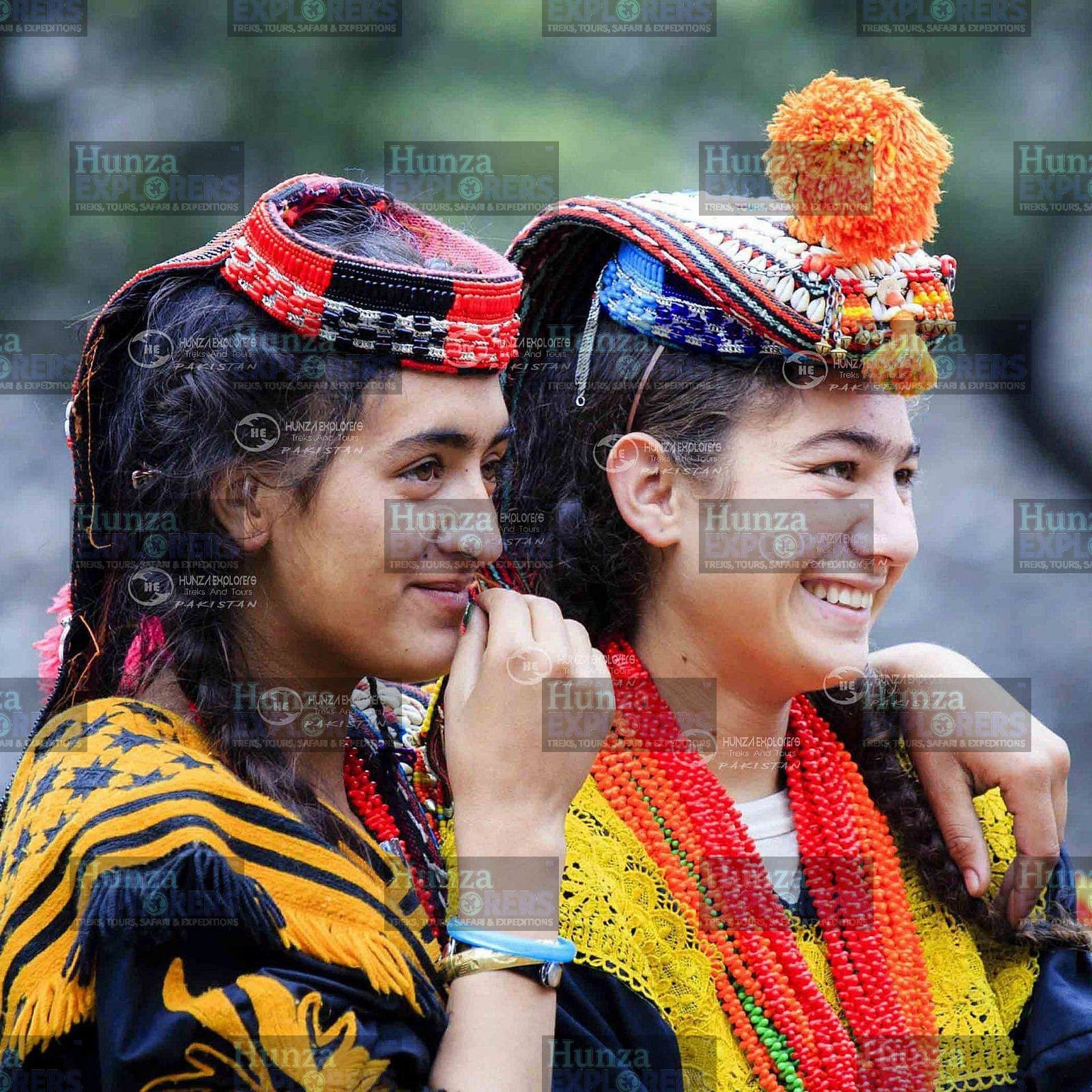
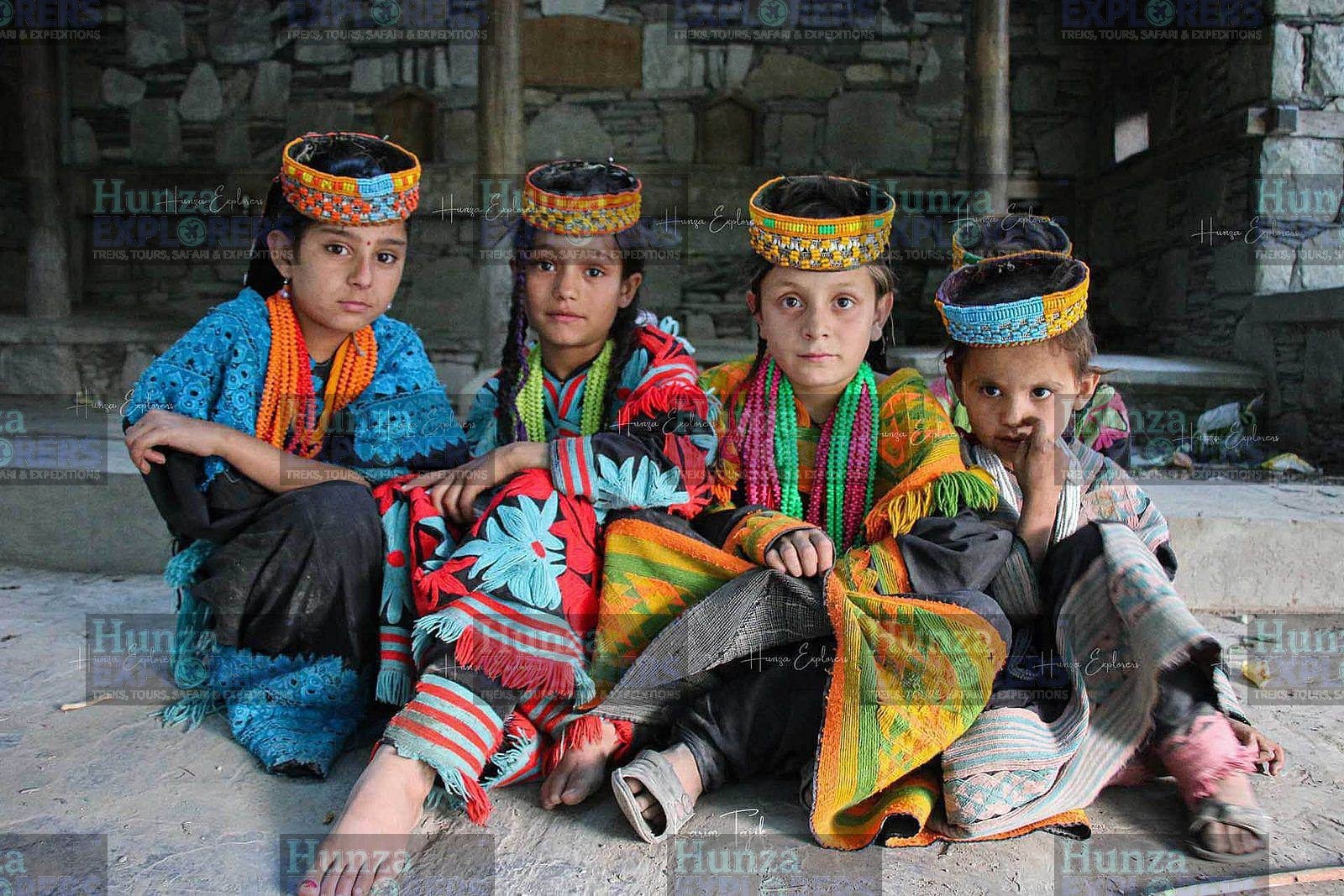
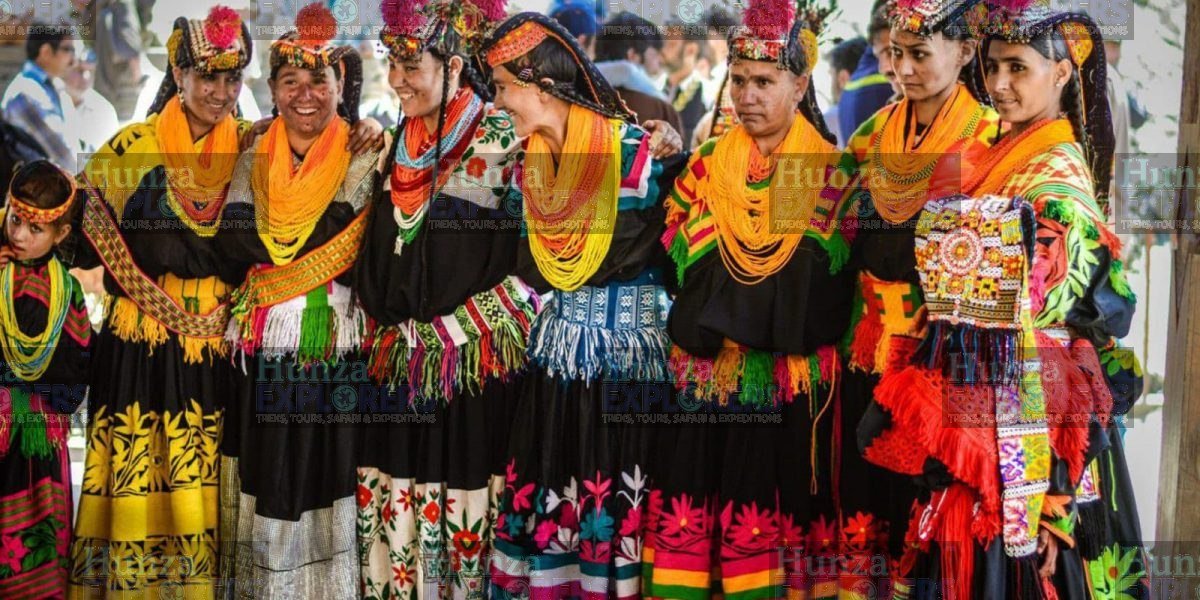
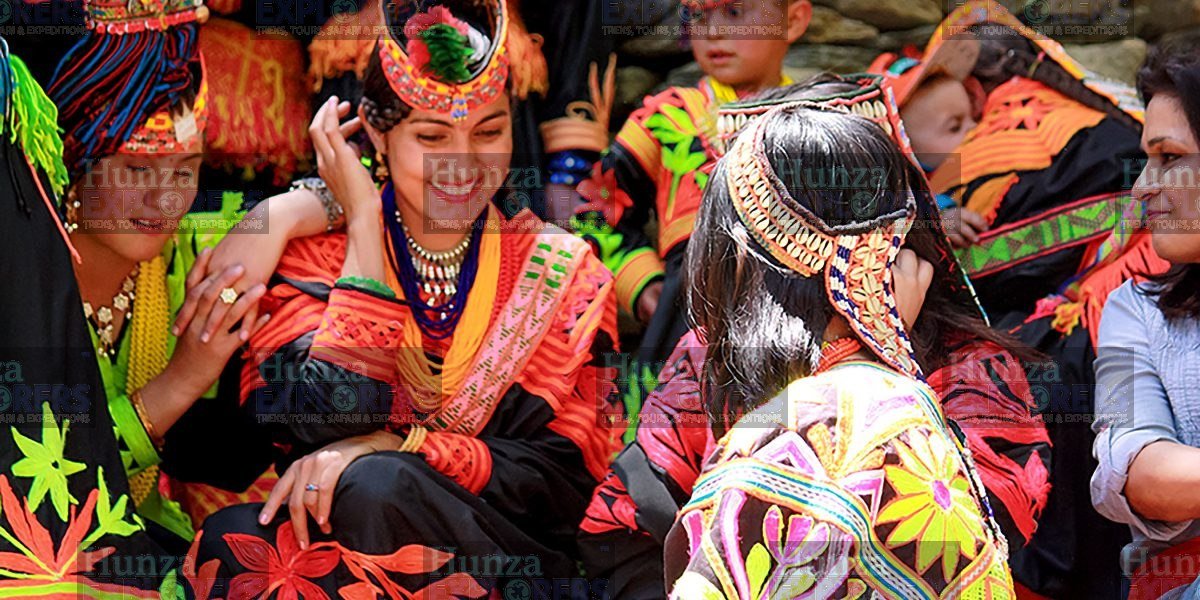
The Kalasha people are a small indigenous community living primarily in the valleys of Bumburet, Rumbur and Birir in Lower Chitral. They maintain a distinctive cultural identity, language, traditional dress and religious traditions that differ from those of the surrounding communities.
Choimus takes place during December and is associated with the winter season and the traditional Kalasha calendar. The celebrations are linked to religious observance, community life and the transition into the new year. Different stages of the festival involve different customs, and the exact programme can vary according to the traditional calendar and decisions made by the local communities.
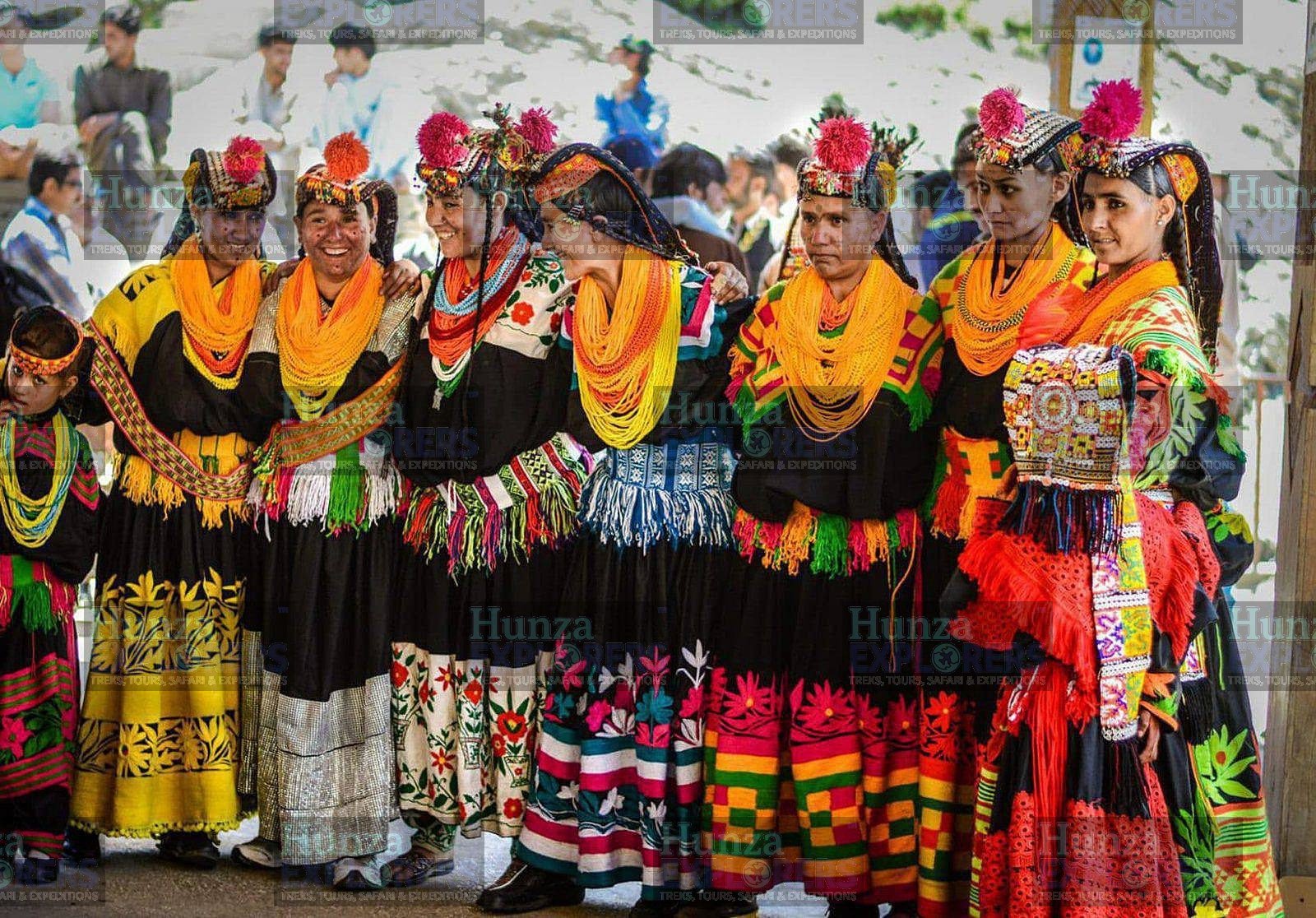
Traditional music, singing and dancing are among the most visible elements of the celebrations. During permitted public activities, groups gather in traditional community spaces to sing and dance, creating an atmosphere that is deeply connected with Kalasha identity.
The festival also involves traditional food, communal gatherings and religious ceremonies. Some rituals include animal sacrifice as part of Kalasha religious practice. Travellers should understand that these are genuine religious ceremonies and not performances arranged for visitors.
The festival is also associated with Balumain, an important figure in Kalasha religious tradition. His role forms part of the wider beliefs and ceremonial traditions connected with Choimus.
Because the festival has religious significance, access to ceremonies is not guaranteed. Some activities may be restricted to members of the community, and visitors must follow local guidance regarding where they may go, what they may observe and when photography is appropriate.
This makes Choimus fundamentally different from a conventional cultural show. The experience comes from entering the community's environment respectfully and observing a tradition that continues to have meaning for the people who practise it.
Winter Journey Through Bumburet, Rumbur and Birir
December gives the Kalash Valleys a completely different character from the greener seasons. The surrounding mountains can be covered with snow, temperatures are cold, and the traditional settlements take on a quiet winter atmosphere.
Bumburet is the largest and most accessible of the three principal valleys. Its settlements extend through a narrow mountain valley surrounded by steep slopes. During Choimus, the valley becomes an important setting for festival activities and community gatherings.
We continue to Rumbur, a more secluded valley where traditional settlements are scattered along the mountain landscape. The narrower valley, surrounding forests and high mountains provide a particularly impressive winter setting.
Our journey also includes Birir, the third principal Kalash Valley. Its communities have their own local character and traditions, making the valley an important part of understanding the diversity of Kalasha culture.
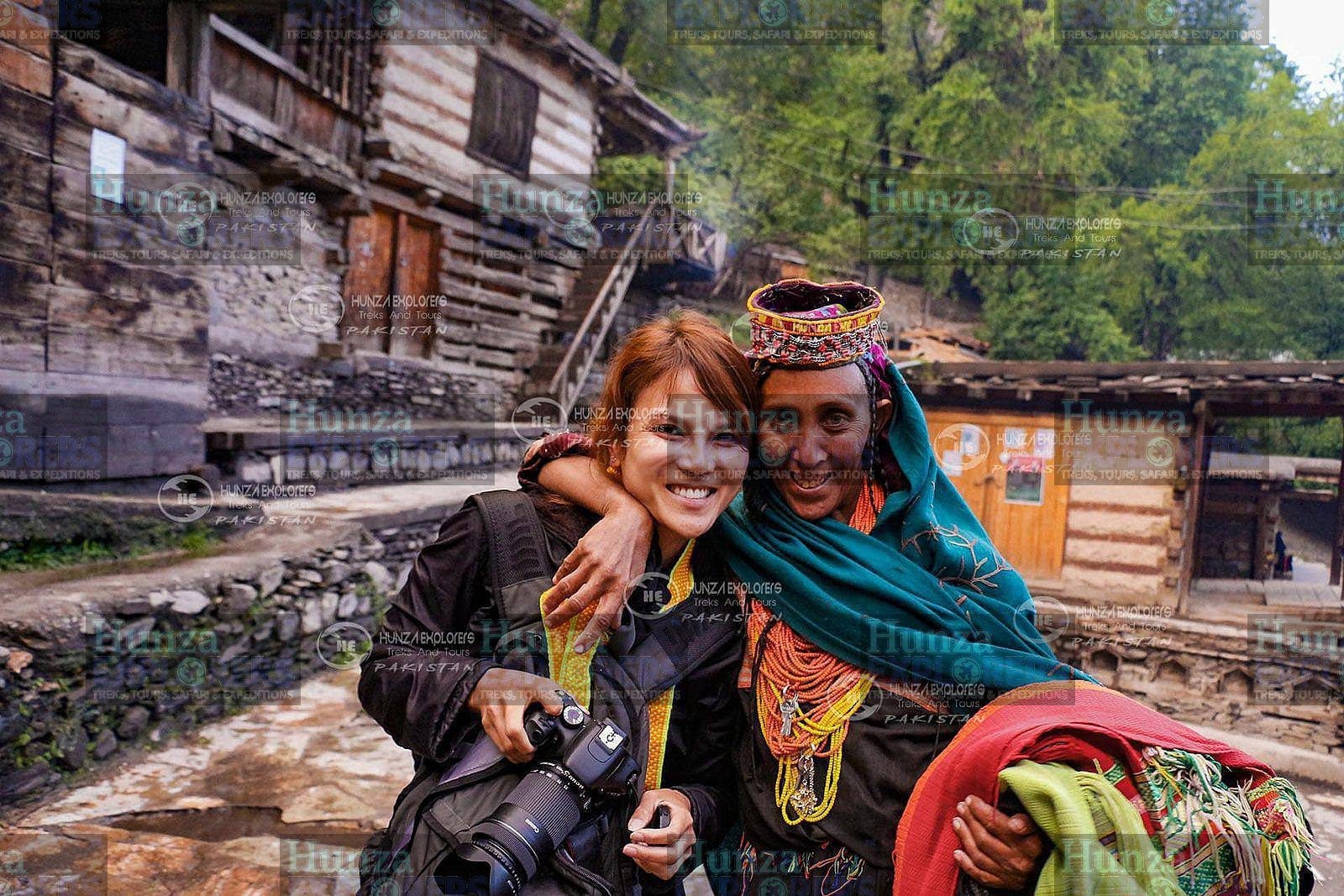
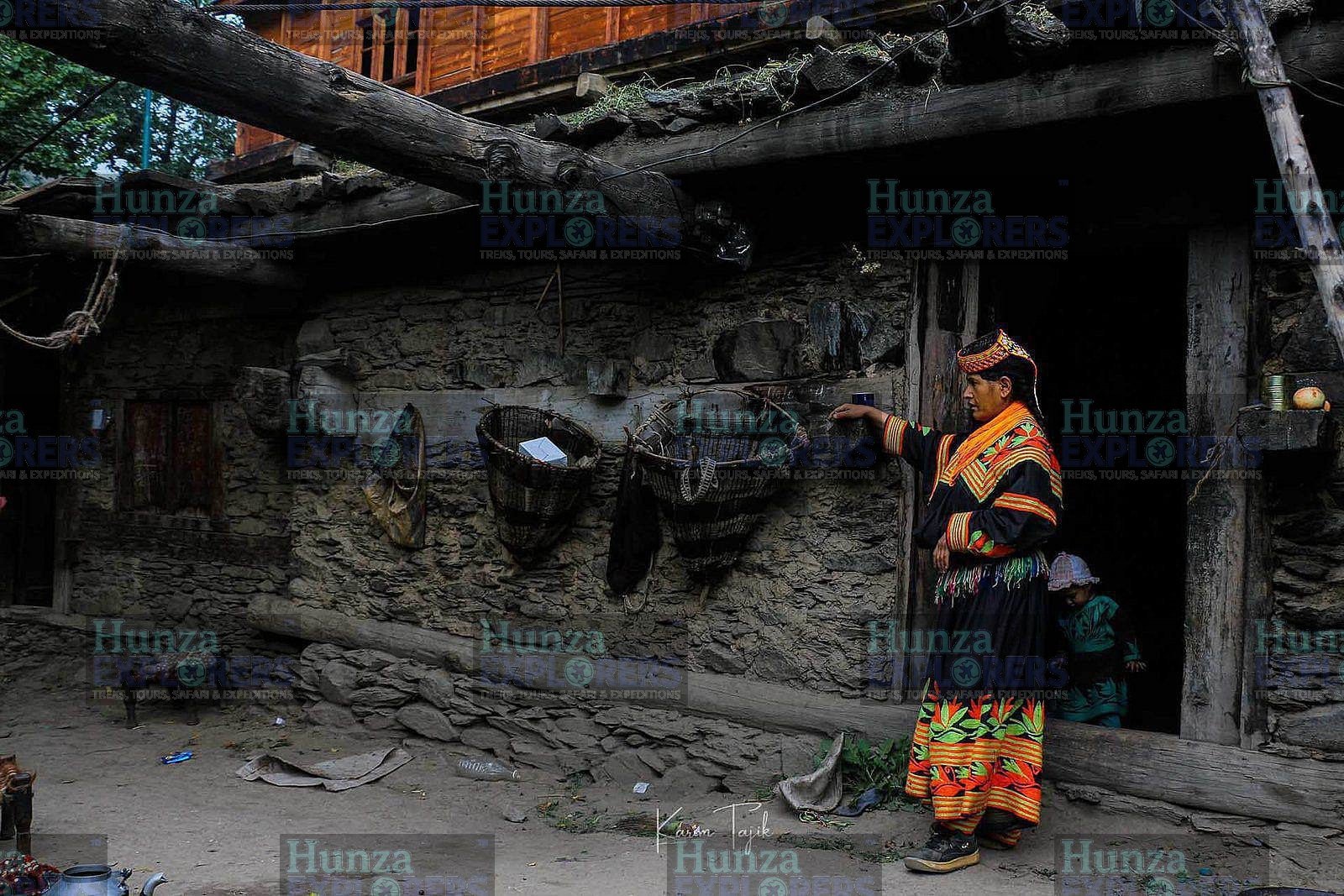
Travelling between these valleys is not simply about reaching another sightseeing point. The landscape itself is an important part of the experience. Traditional houses, cultivated terraces, village paths and mountain slopes show how the Kalasha communities have adapted their lives to this remote environment.
The winter conditions also require preparation. December can bring very cold temperatures, and snowfall or difficult road conditions can affect travel. The itinerary therefore needs to remain flexible, particularly when travelling through mountain roads during winter.
For photographers, Choimus offers an extraordinary combination of cultural and natural subjects: traditional Kalasha clothing, village architecture, community gatherings and the winter landscapes of the Hindu Kush. Photography must always be approached respectfully, particularly when photographing individuals or religious activities.
Beyond photography and sightseeing, the festival offers something more valuable: an opportunity to learn. Travellers can gain a better understanding of how religion, community, agriculture, seasonal change and cultural identity remain interconnected in Kalasha society.
A journey during Choimus is therefore best suited to travellers who want to go beyond the usual tourist experience. It is particularly rewarding for those interested in indigenous cultures, anthropology, history, photography and traditional mountain communities.
The combination of the winter landscape and the cultural significance of the festival creates a journey unlike a standard visit to Chitral. Instead of simply passing through the Kalash Valleys, travellers spend time understanding the people, places and traditions that make this corner of the Hindu Kush so distinctive.
Choimus provides a rare window into a living cultural heritage. Its songs, dances, ceremonies, community gatherings and winter traditions continue to connect the Kalasha people with their history and religious identity. Experiencing the festival respectfully allows travellers to appreciate that heritage while also enjoying the extraordinary mountain environment in which it has survived.
This is ultimately what makes the Choimus Festival Tour special: it brings together the dramatic winter scenery of Chitral with an authentic cultural experience that cannot be recreated elsewhere.
Why You’ll Love This Tour
The Choimus Festival Tour offers a rare opportunity to experience the Kalash Valleys during one of the most significant periods of the Kalasha traditional calendar. Rather than visiting Chitral only for its scenery, this journey combines mountain landscapes with a genuine cultural experience centred on the winter celebrations of the Kalasha people.
You will explore Bumburet, Rumbur and Birir, experience the distinctive atmosphere of the Hindu Kush in winter, and observe traditional music, dancing, community gatherings and festival activities where visitors are permitted. The journey also provides time to understand the distinctive traditions, architecture, clothing and way of life of the Kalasha communities.
The tour is particularly suited to travellers interested in culture, photography, history, anthropology and remote mountain destinations. December's winter conditions add another dimension to the experience, with the possibility of snow-covered mountains and a quieter atmosphere throughout the valleys.
Most importantly, Choimus is experienced as a living tradition rather than a performance arranged for tourists. The combination of authentic cultural encounters, dramatic winter scenery and time spent within the three Kalash Valleys makes this a memorable journey for travellers looking for something genuinely different.