Explore the Mountains and Living Culture of Swat and Kalash
Explore Swat & Kalash Valley is a journey through two of northern Pakistan's most distinctive regions, combining the green mountain landscapes and cultural heritage of Swat Valley with the unique traditions and remote communities of the Kalash Valleys in Chitral District. The tour is designed for travellers who want to experience the scenery, history, people, and everyday life of north-western Pakistan rather than simply pass through its mountain roads.
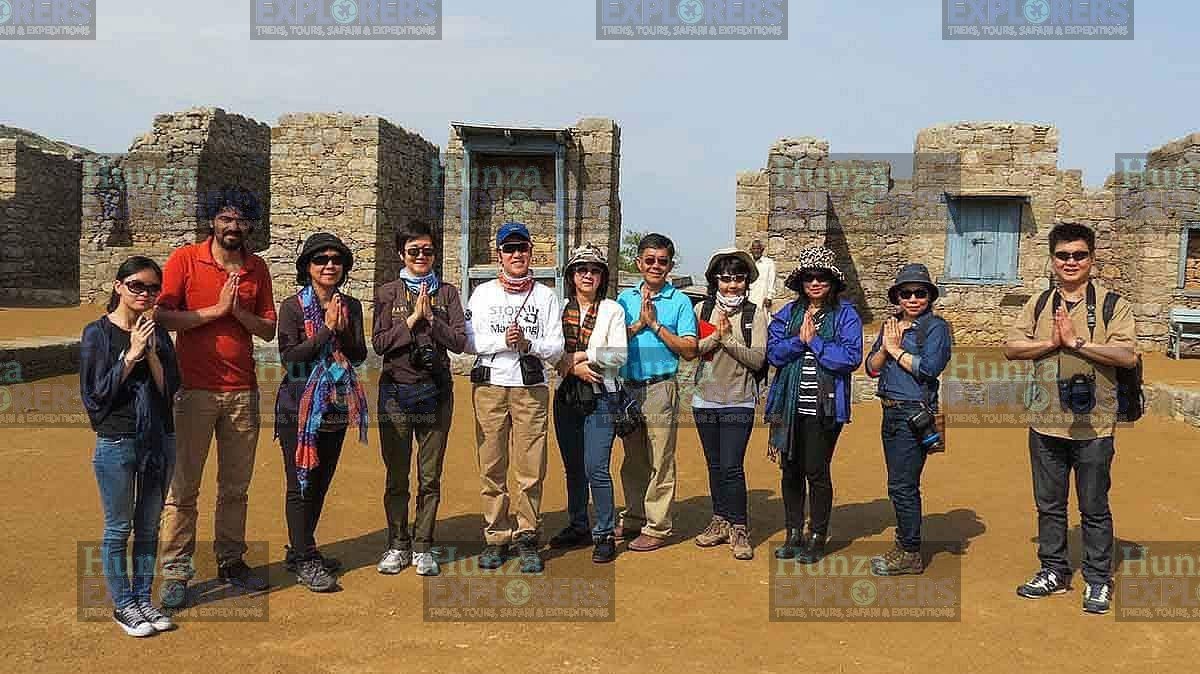
The journey begins in Swat Valley, a region shaped by the Swat River, forested mountains, fertile fields, traditional settlements, and a remarkable archaeological heritage. The valley has long been an important crossroads between South and Central Asia and was a significant centre of Buddhism within the ancient Gandhara Civilization. Archaeological remains found throughout the region provide an important connection to this history, while the living communities of Swat continue to give the valley its distinctive character.
As the route progresses north-west, the landscape gradually changes. The broad and fertile sections of Swat Valley give way to narrower mountain corridors, steep slopes, and remote settlements. The journey towards Chitral is itself an important part of the experience, with mountain roads following rivers and passing through landscapes where communities remain closely connected to agriculture, livestock, and the surrounding mountains.
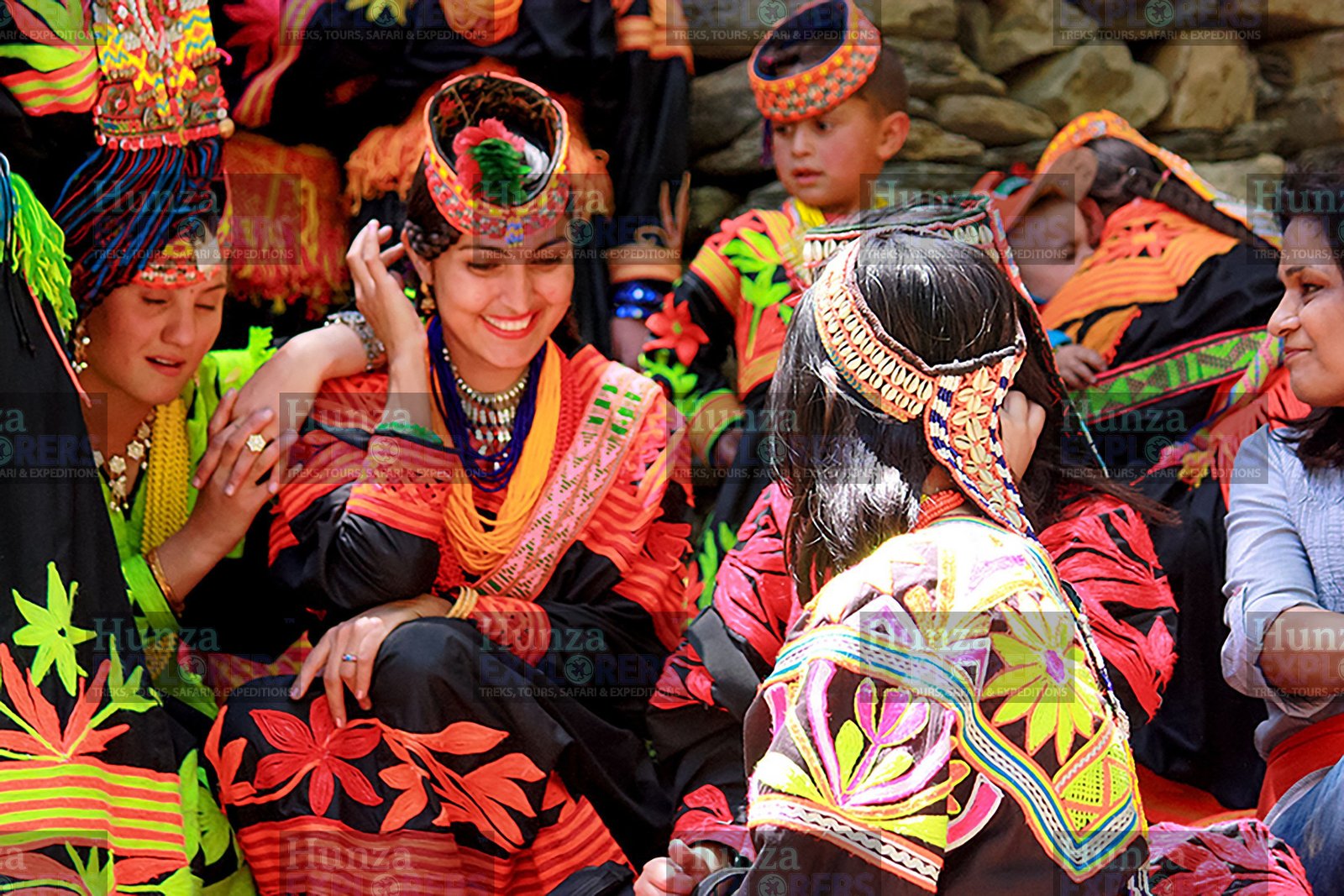
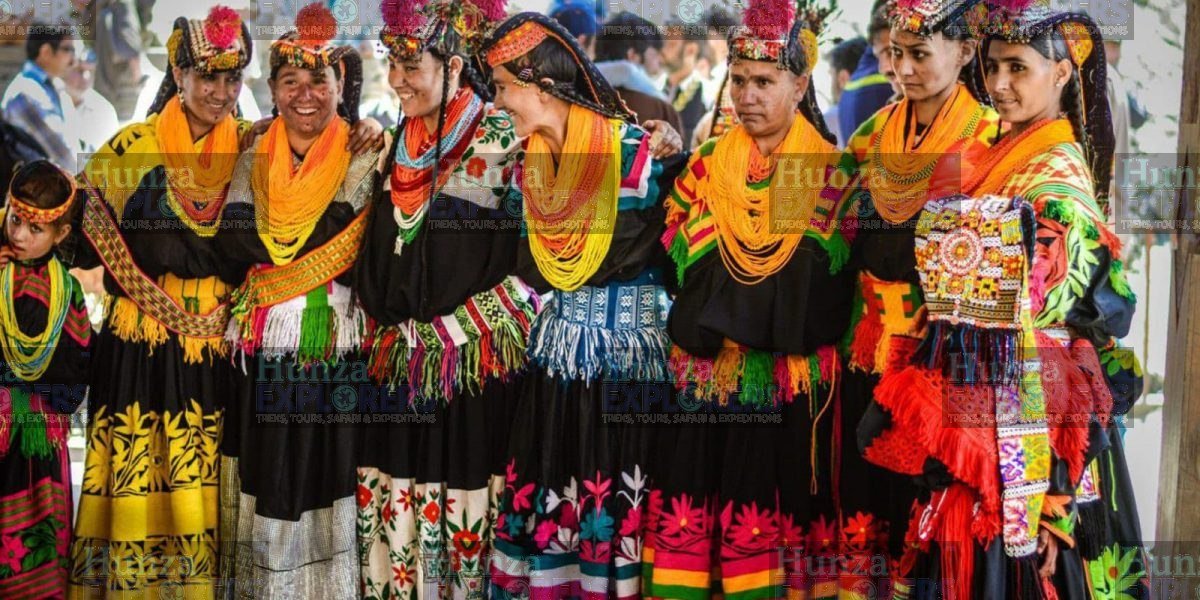
The cultural focus of the journey reaches its most distinctive point in the Kalash Valleys. The three principal valleys of Bumburet, Rumbur, and Birir are home to the Kalash people, a small indigenous community known for its distinctive cultural traditions, clothing, music, festivals, wooden architecture, and social customs. Visiting these valleys offers travellers an opportunity to learn about a living culture in its own environment.
Unlike a conventional sightseeing tour, this journey allows time to explore villages, meet local people, observe traditional ways of life, and understand how geography has influenced the communities of the region. The experience is particularly rewarding for travellers interested in culture, anthropology, photography, history, and mountain landscapes.
Swat Valley: Scenery, Heritage and Mountain Life
Swat Valley is one of the most visually varied destinations in Khyber Pakhtunkhwa. The Swat River runs through the valley, supporting agricultural communities and providing a natural route between the mountains. Along the journey, green fields, orchards, forests, villages, and steep mountain slopes create constantly changing scenery.
The valley's importance extends far beyond its natural beauty. Swat was historically associated with the ancient region of Uddiyana and became an important centre of Buddhist learning and artistic development. Numerous archaeological sites, stupas, monasteries, and rock carvings demonstrate the importance of Buddhism in the region and form part of the wider heritage of the Gandhara Civilization.
Depending on the itinerary, the journey can include visits to important cultural and archaeological locations around Mingora, Saidu Sharif, and other parts of the valley. Museums and archaeological sites provide an opportunity to understand the history of the region, while travelling through the surrounding villages offers a more contemporary view of life in modern Swat.
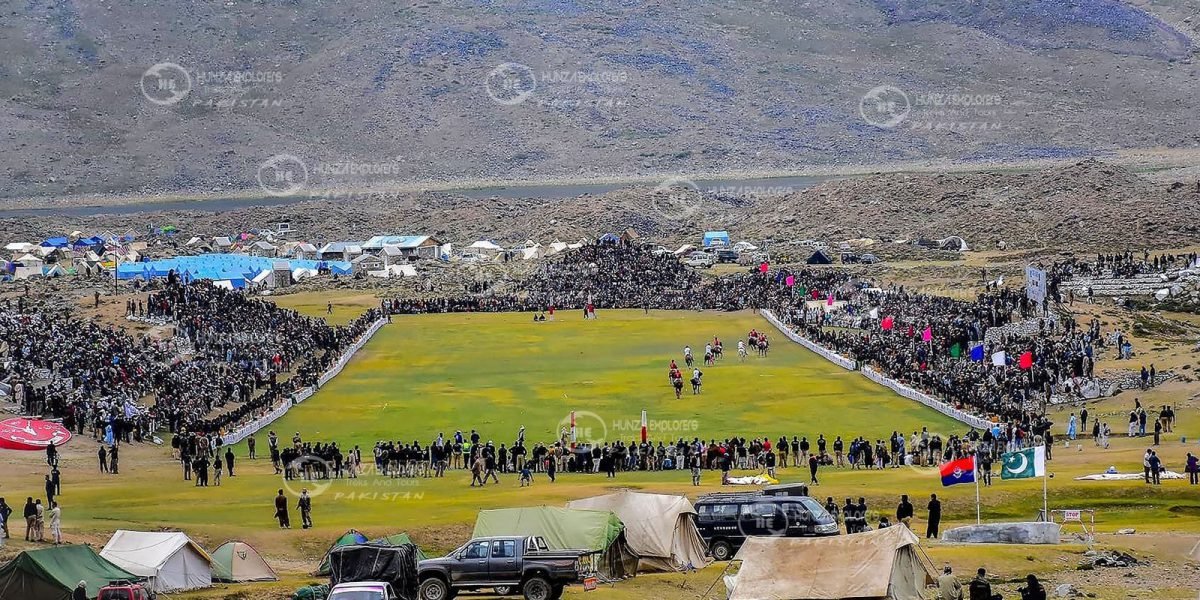
The landscape becomes increasingly dramatic as the route moves towards the upper valley. Mountain rivers, narrow valleys, forests, and high peaks create excellent opportunities for photography and scenic stops. The journey is particularly rewarding for travellers who enjoy seeing how natural landscapes and human settlements interact.
From Swat, the route continues towards the remote mountain environment of Chitral District. This section of the journey introduces a different landscape and a different cultural setting, preparing travellers for the experience of the Kalash Valleys.
Discover the Kalash Valleys
The Kalash Valleys are the cultural highlight of the journey. Located in the southern part of Chitral District, the three main valleys – Bumburet, Rumbur, and Birir – are surrounded by steep mountains and connected by narrow roads that follow the contours of the terrain.
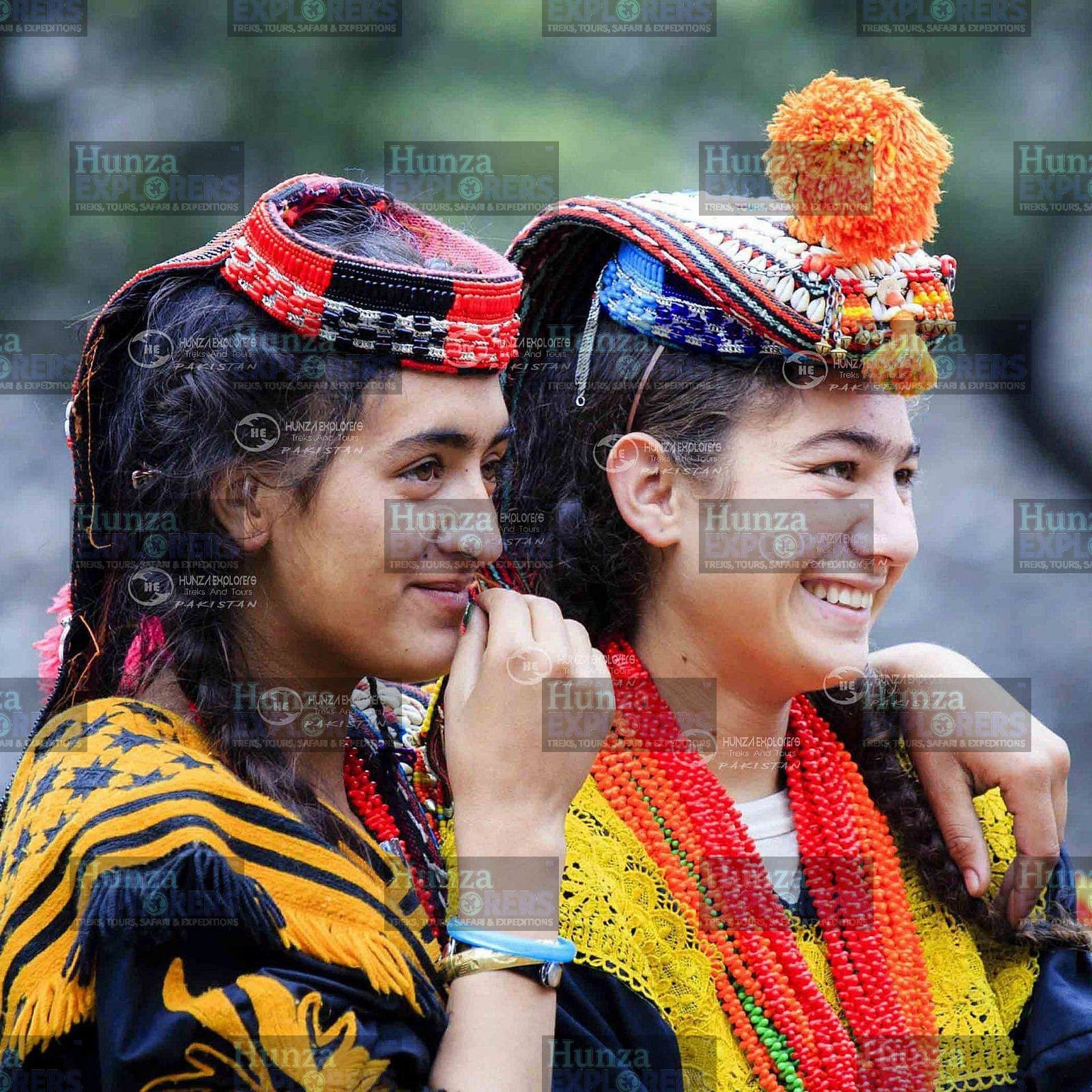
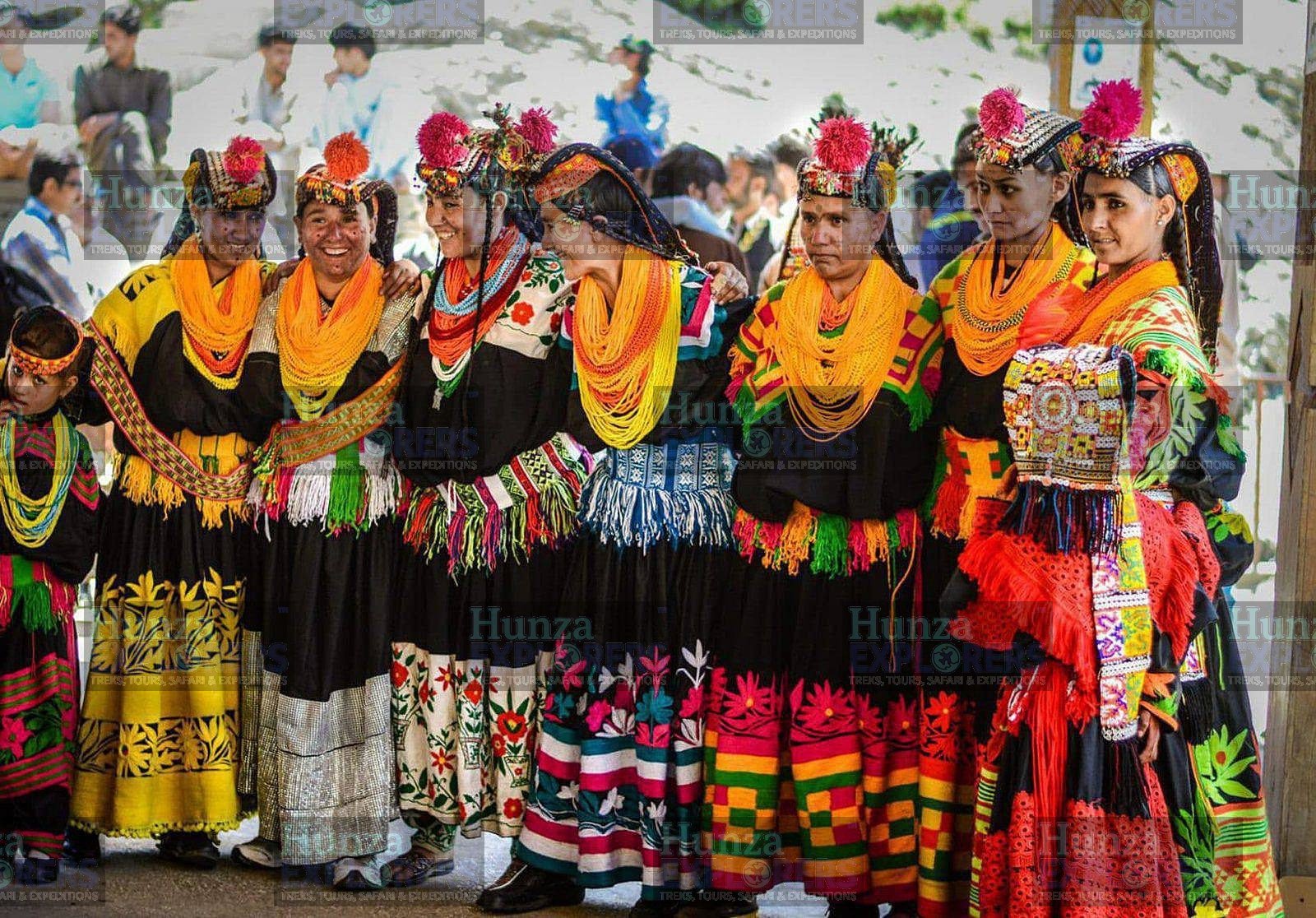
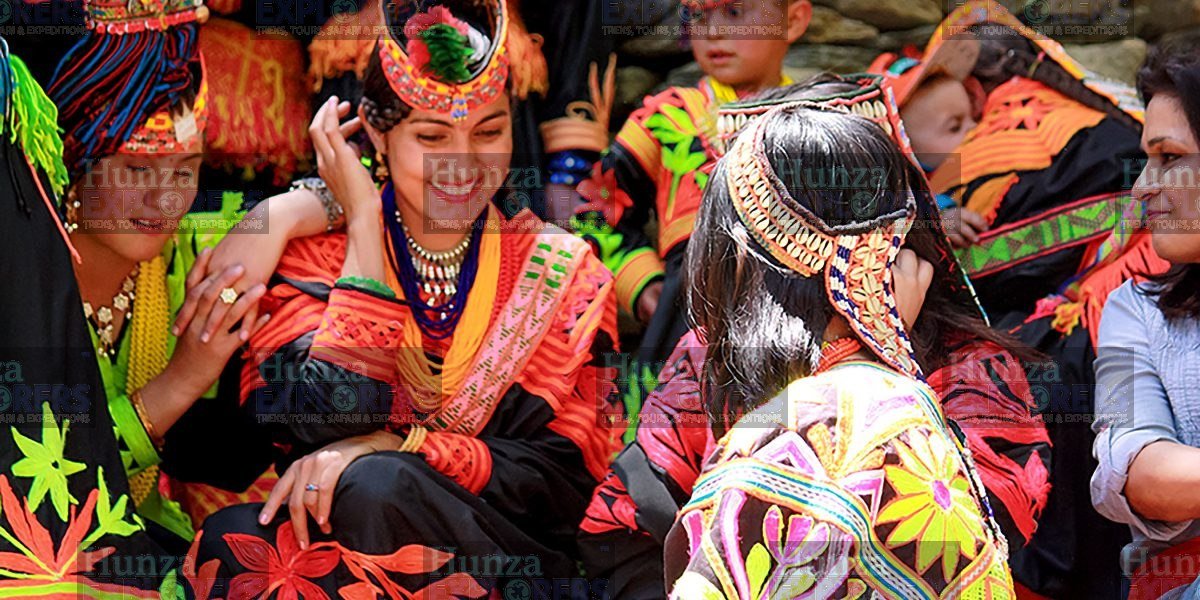
The Kalash people have maintained a distinctive cultural identity expressed through traditional clothing, music, festivals, architecture, social customs, and community life. Their culture is deeply connected to the natural environment and the seasonal cycle, making the valleys particularly fascinating for travellers interested in living cultural traditions.
Bumburet Valley is the largest and most visited of the three valleys and has the greatest concentration of visitor facilities. It provides opportunities to explore Kalash settlements, traditional houses, cultural spaces, and surrounding mountain landscapes.
Rumbur Valley offers a quieter setting, with traditional villages and dramatic mountain scenery. The valley provides an opportunity to experience a more intimate side of Kalash community life and to appreciate the relationship between the settlements and their surrounding landscape.
Birir Valley is the smallest of the three principal valleys and offers another perspective on the Kalash community. Its more secluded character makes it particularly appealing to travellers who want to move beyond the better-known visitor routes.
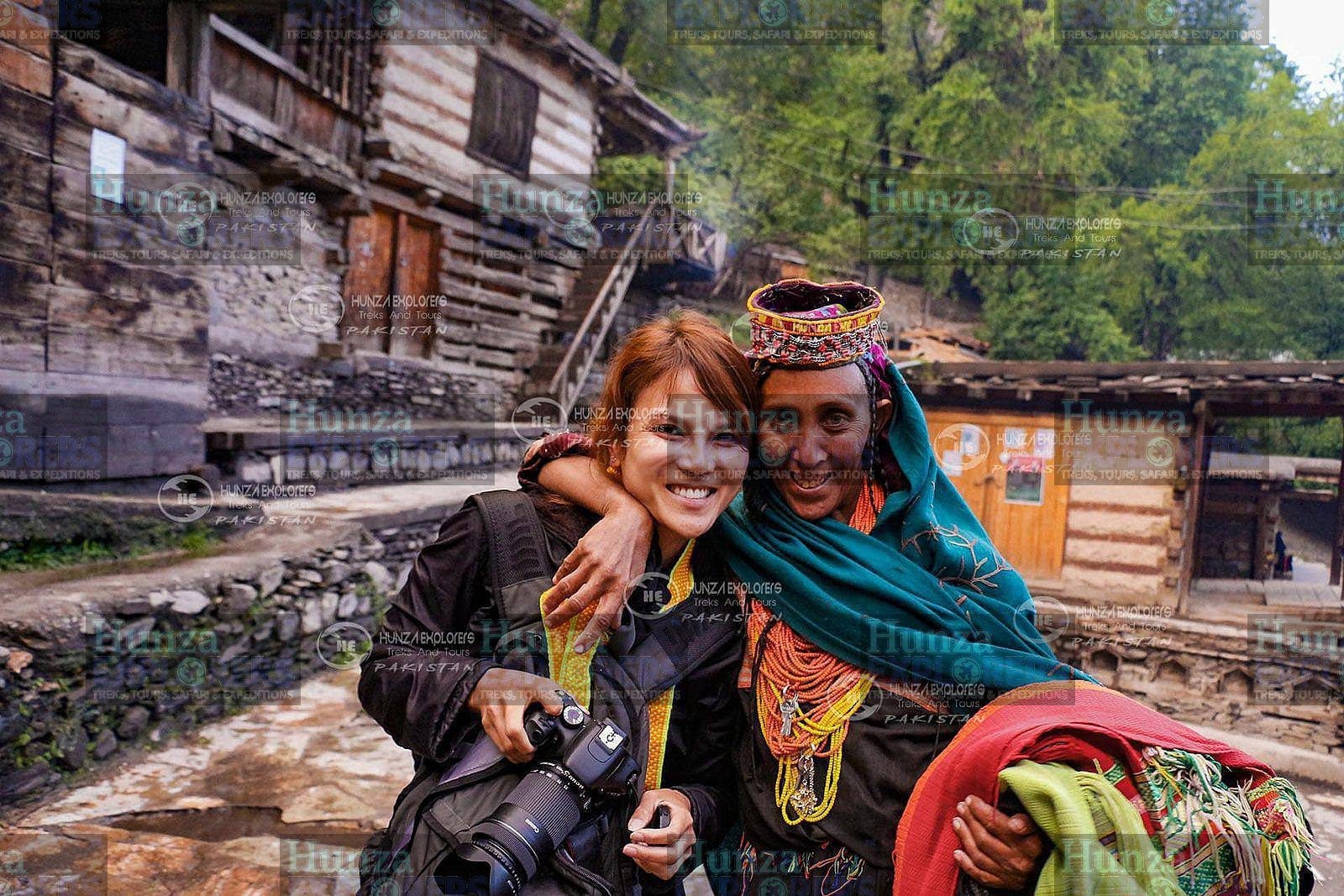
Throughout the cultural visits, the emphasis is on respectful interaction. The Kalash Valleys are living communities, not museums, and travellers are expected to respect local customs, privacy, religious practices, and community spaces. With appropriate local guidance, visitors can learn about traditional life while allowing residents to remain at the centre of their own cultural environment.
If travel dates coincide with a traditional Kalash festival, the experience can become even more memorable. Festivals bring together music, dancing, traditional clothing, community gatherings, and seasonal celebrations. Festival dates can vary and should be confirmed before travel, particularly for travellers specifically planning their journey around a particular celebration.
The journey through Swat and Kalash offers a remarkable contrast between natural scenery and cultural discovery. The green valleys and archaeological heritage of Swat provide one dimension of northern Pakistan, while the distinctive living culture of the Kalash Valleys introduces another. Together, they create a journey that goes beyond conventional sightseeing and provides a deeper understanding of the people, history, landscapes, and traditions of north-western Pakistan.
For travellers seeking a culturally rich mountain journey, Explore Swat & Kalash Valley provides an opportunity to experience some of the most distinctive landscapes and communities in Pakistan. It is a journey of valleys and rivers, archaeological heritage and living traditions, mountain roads and remote villages – offering a varied and memorable experience from beginning to end.
Why You'll Love This Tour
Explore Swat & Kalash Valley brings together two very different sides of northern Pakistan. Swat Valley offers green mountain scenery, rivers, villages, archaeological heritage, and connections to the ancient Gandhara Civilization, while the Kalash Valleys introduce travellers to one of the country's most distinctive living cultures.
The journey is ideal for travellers who want cultural interaction alongside mountain scenery. Rather than focusing only on viewpoints, the itinerary provides opportunities to explore villages, learn about local traditions, visit historical sites, and experience the changing landscapes between Swat and Chitral.
The three Kalash Valleys – Bumburet, Rumbur, and Birir – each contribute something different to the experience, while the route through Swat Valley provides a contrasting combination of history, nature, and everyday mountain life.
This tour is particularly suited to photographers, culture enthusiasts, history lovers, and travellers who prefer journeys that combine meaningful experiences with spectacular scenery. The contrast between ancient heritage, living traditions, remote mountain communities, and dramatic landscapes is what makes this journey memorable.