Journey into the Ancient Wonders of the Indus Valley Civilization
Explore One of the Oldest Urban Civilizations in Human History
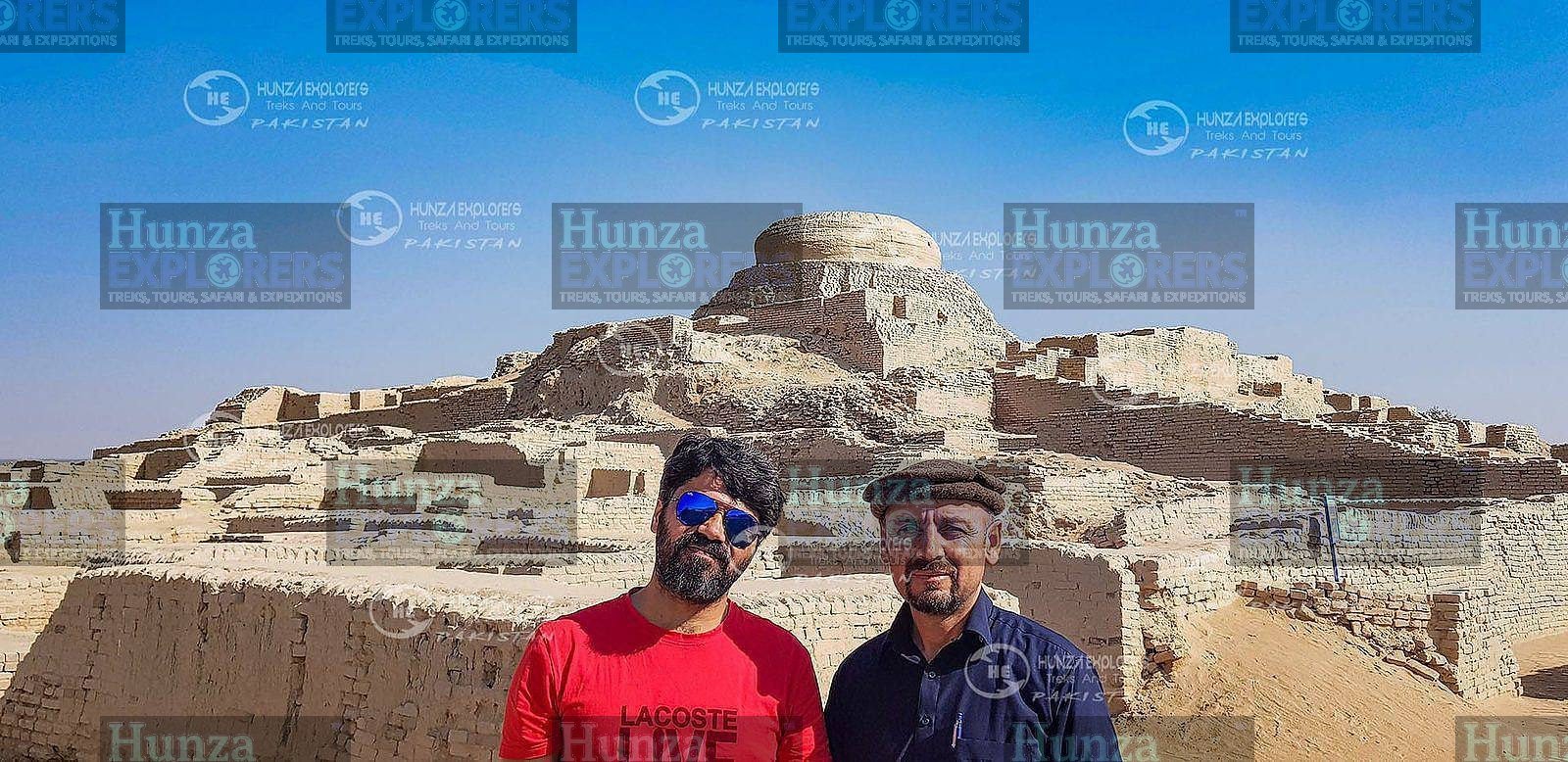
The Mohenjo-daro Heritage Tour offers an extraordinary journey into one of the world’s oldest and most remarkable archaeological sites. Located in the Sindh province of Pakistan near the city of Larkana, Mohenjo-daro stands as one of the greatest surviving examples of the ancient Indus Valley Civilization, a civilization that flourished more than 4,000 years ago.
Discovered in 1922 by archaeologist Rakhaldas Banerji during excavations conducted under the Archaeological Survey of India, the site transformed the understanding of early urban societies in South Asia. The discovery revealed that the Indus Valley Civilization was among the most advanced civilizations of the ancient world, contemporary to ancient Egypt and Mesopotamia.
Today, Mohenjo-daro remains one of Pakistan’s most significant cultural and historical treasures, attracting archaeologists, historians, researchers, and travelers from around the globe who seek to explore the roots of early urban development and human civilization.
The Ancient City of Mohenjo-daro
The name Mohenjo-daro is commonly translated as “Mound of the Dead,” though the original name of the ancient city remains unknown. Historians believe the city flourished around 2500 BCE as a major center of trade, administration, and urban life within the Indus Valley Civilization.
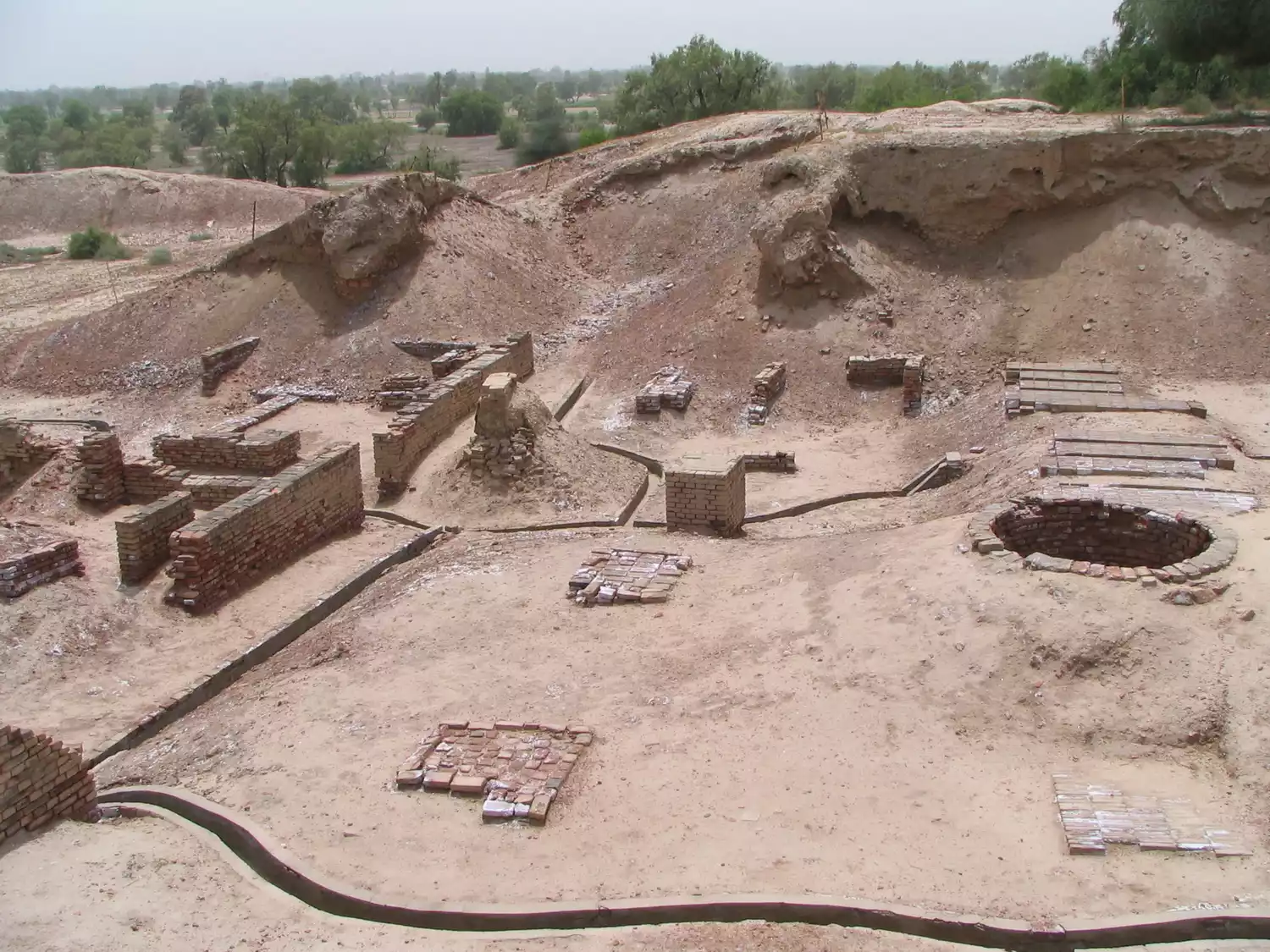
What makes Mohenjo-daro particularly extraordinary is its sophisticated urban planning. Long before modern engineering practices, the city featured an organized street grid, advanced drainage systems, multi-room brick houses, wells, storage facilities, and public structures that demonstrated remarkable architectural intelligence for its time.
The site reflects a highly developed society that prioritized sanitation, infrastructure, and city planning. Archaeologists continue to study the ruins to better understand the social, economic, and cultural systems of this advanced civilization.
Discover the Great Bath and Ancient Structures
One of the most iconic structures within Mohenjo-daro is the famous Great Bath, believed to have been used for ceremonial or ritual purposes. Built with carefully laid baked bricks and waterproof materials, the structure showcases the engineering expertise of the Harappan people.
Visitors also explore the remains of residential neighborhoods, assembly halls, granaries, streets, and drainage channels that reveal the complexity of life in this ancient city. The organized layout of the settlement demonstrates a level of planning rarely seen in early human civilizations.
Walking through the archaeological ruins offers a unique opportunity to imagine life thousands of years ago, where merchants, craftsmen, and families once lived in a thriving urban environment along the Indus River basin.
Mohenjo-daro Museum and Archaeological Heritage
The nearby Mohenjo-daro Museum further enriches the visitor experience by displaying excavated artifacts discovered at the site. The museum houses ancient pottery, tools, jewelry, seals, sculptures, coins, and household items that provide valuable insight into the daily lives of the Harappan people.
Among the most famous discoveries is the iconic “Dancing Girl” bronze sculpture and the detailed carved seals that reveal aspects of trade, religious symbolism, and communication within the civilization. These artifacts continue to fascinate scholars and visitors alike due to their craftsmanship and historical significance.
The museum visit complements the archaeological tour by helping travelers better understand the achievements, lifestyle, and cultural sophistication of one of humanity’s earliest urban societies.
UNESCO World Heritage Significance
Recognizing its immense historical value, Mohenjo-daro was designated as a UNESCO World Heritage Site in 1980. The recognition highlighted the global importance of preserving this extraordinary archaeological treasure for future generations.
Despite the passage of thousands of years, the ruins continue to stand as a testament to human innovation, resilience, and urban development. Preservation efforts remain ongoing due to environmental threats, changing climate conditions, and the natural deterioration of ancient mud-brick structures.
Visiting Mohenjo-daro is not only a historical experience but also an educational journey that connects travelers to the foundations of civilization itself.
A Cultural and Historical Journey Through Sindh
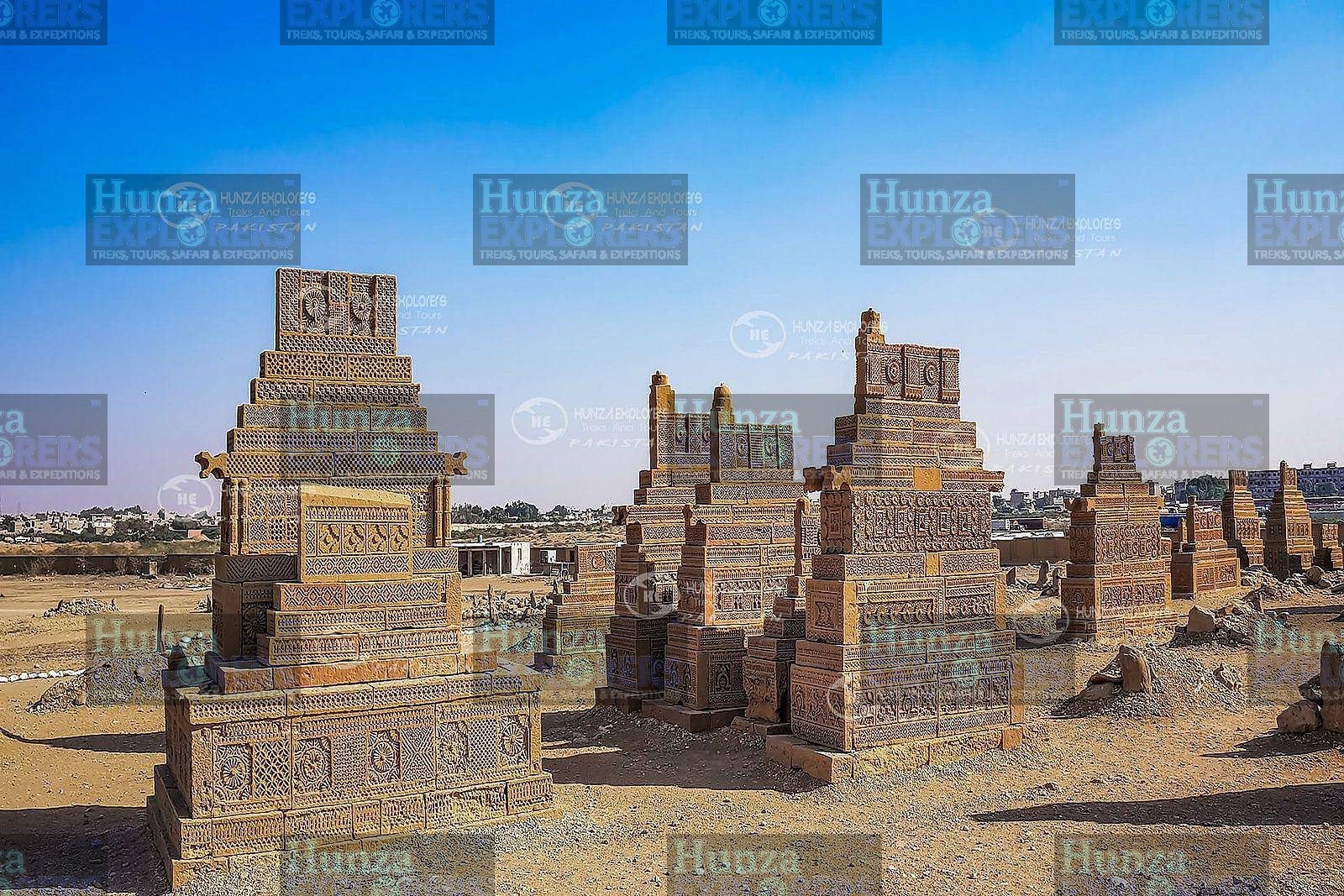
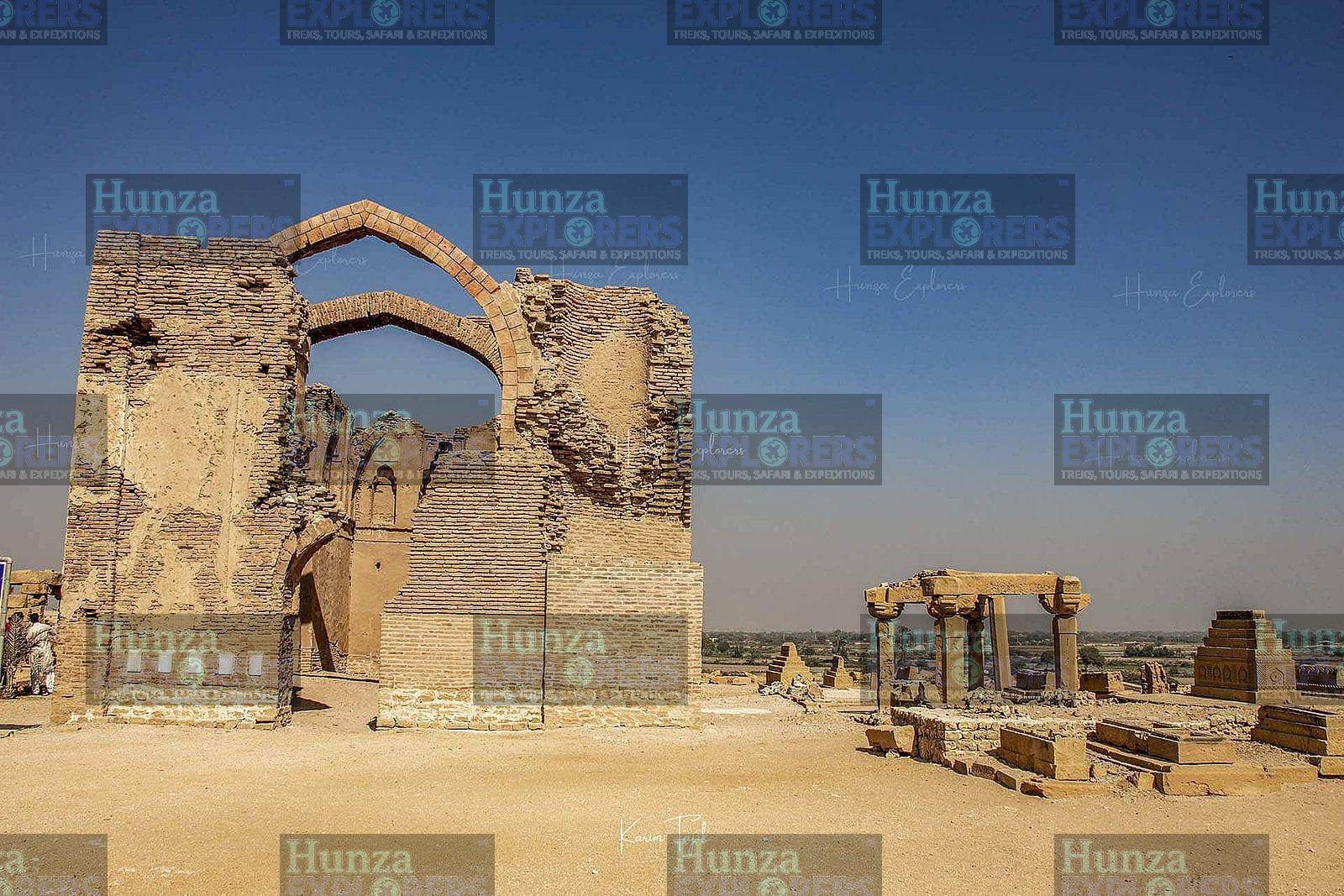
The journey to Mohenjo-daro also introduces travelers to the rich cultural landscapes of Sindh. The surrounding region reflects centuries of history, traditional Sindhi culture, and rural heritage that continue to shape the identity of southern Pakistan.
Travelers often combine the archaeological visit with explorations of nearby historical towns, traditional Sindhi cuisine, and cultural interactions with local communities. The warm hospitality of the region adds depth and authenticity to the overall travel experience.
The tour is ideal for historians, archaeology enthusiasts, educational groups, cultural travelers, photographers, and anyone interested in discovering one of the earliest chapters of human civilization.
Experience the Legacy of the Indus Valley Civilization
The Mohenjo Daro Heritage Tour is far more than a sightseeing experience; it is a journey through the origins of organized urban life. From the remarkable engineering of the Great Bath to the intricate artifacts preserved in the museum, every part of the site reflects the brilliance of the ancient Harappan Civilization.
As travelers walk through the ancient streets of Mohenjo-daro, they witness the enduring legacy of a civilization that shaped early human history thousands of years before the modern world emerged. The site remains one of the most fascinating archaeological destinations in Asia and an essential cultural landmark for understanding the ancient world.