Autumn transforms the mountain valleys of northern Pakistan into a spectacular landscape of golden trees, clear mountain air and dramatic peaks. The Chitral & Hunza Autumn Tour brings together two of Pakistan's most distinctive mountain regions, travelling from the Hindu Kush of Chitral across the high mountain landscapes of Shandur and Ghizer before continuing into the Karakoram of Hunza.
Beginning in Islamabad, the journey takes us towards Chitral through the mountains of Khyber Pakhtunkhwa. We travel through Dir and across the Lowari Tunnel before entering Chitral Valley. From here, the route combines natural landscapes, cultural experiences and historic settlements as we explore Lower Chitral, the Kalash Valleys and Upper Chitral.
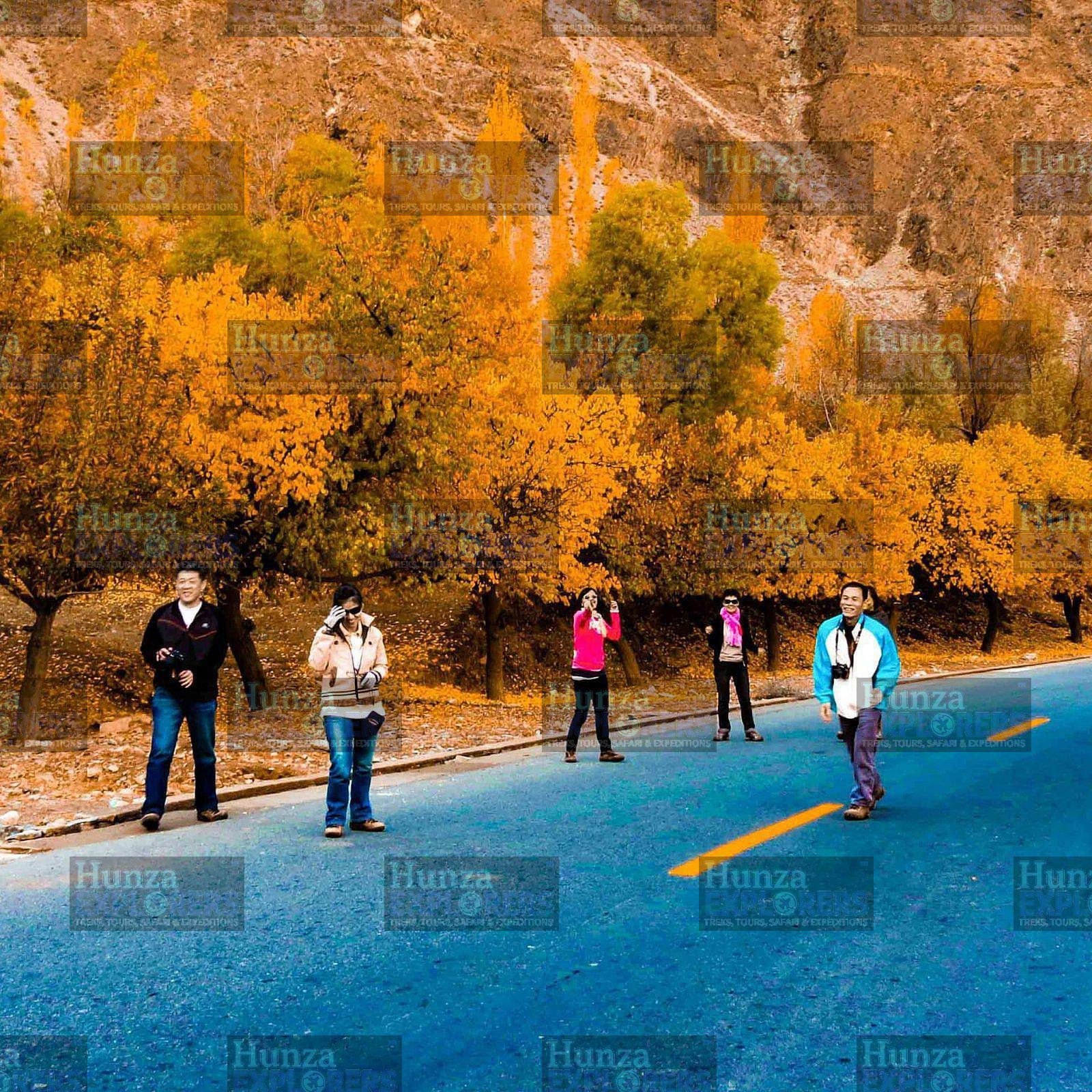
The autumn season gives the journey a special character. Trees growing along rivers, around villages and within cultivated areas gradually change colour as the season progresses. The timing varies according to altitude, location and yearly weather conditions, so different valleys may reach their autumn colours at different times. This natural variation is an important part of travelling through such a geographically diverse region.
Autumn in Chitral, the Kalash Valleys and Upper Chitral
Chitral lies in the Hindu Kush and is surrounded by some of the highest mountains of northern Pakistan. The region is known for its dramatic valleys, traditional communities and distinctive cultural heritage. Above the wider Chitral region rises Tirich Mir, the highest peak of the Hindu Kush at 7,708 metres.
Our journey first explores Chitral and its surrounding mountain landscapes before travelling towards Garam Chashma. The area is known for its natural hot springs and mountain setting, providing a different perspective of Lower Chitral.
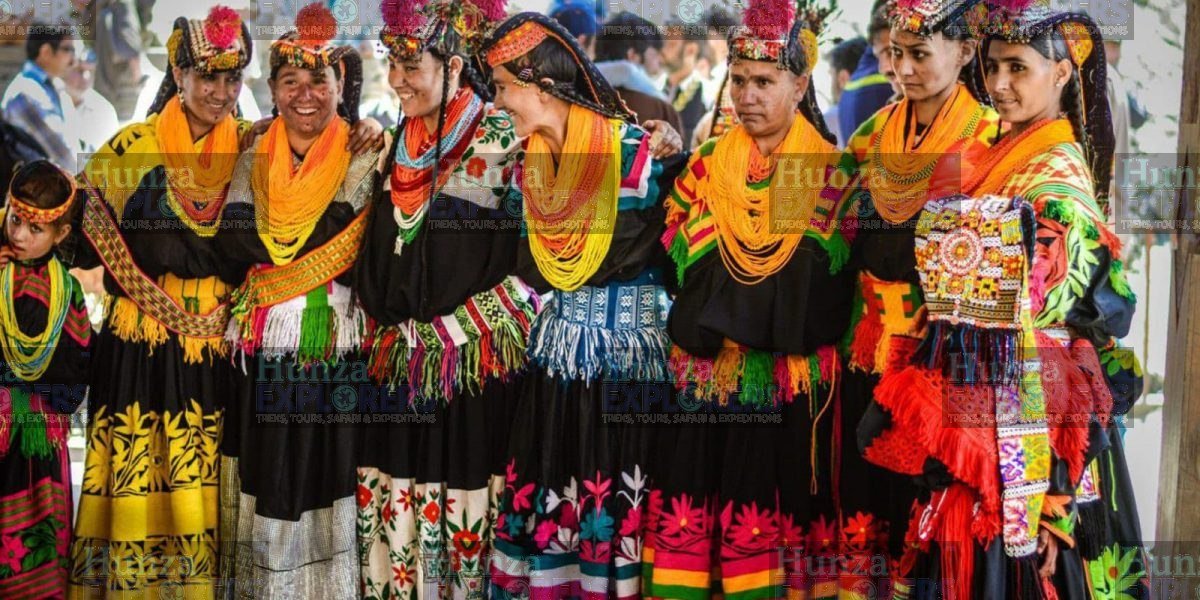
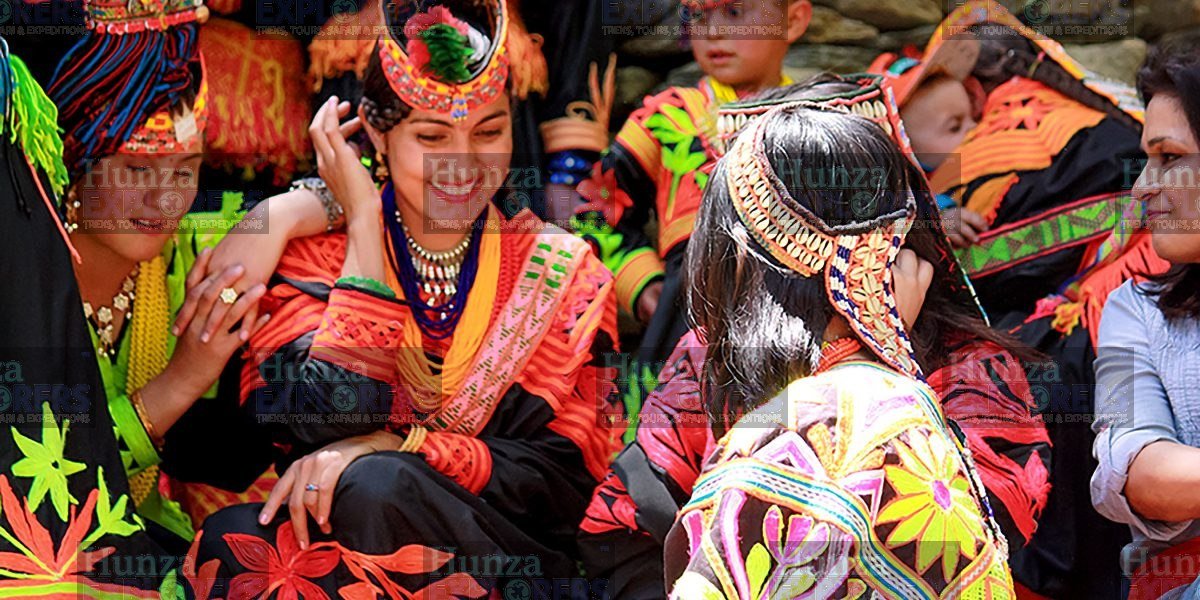
We then continue towards the Kalash Valleys, home to the Kalasha people. The three principal valleys are Bumburet, Rumbur and Birir, each with its own villages and communities. The Kalasha maintain a distinctive cultural identity, language, traditions and religious practices, making a visit to their valleys an important cultural part of the journey.
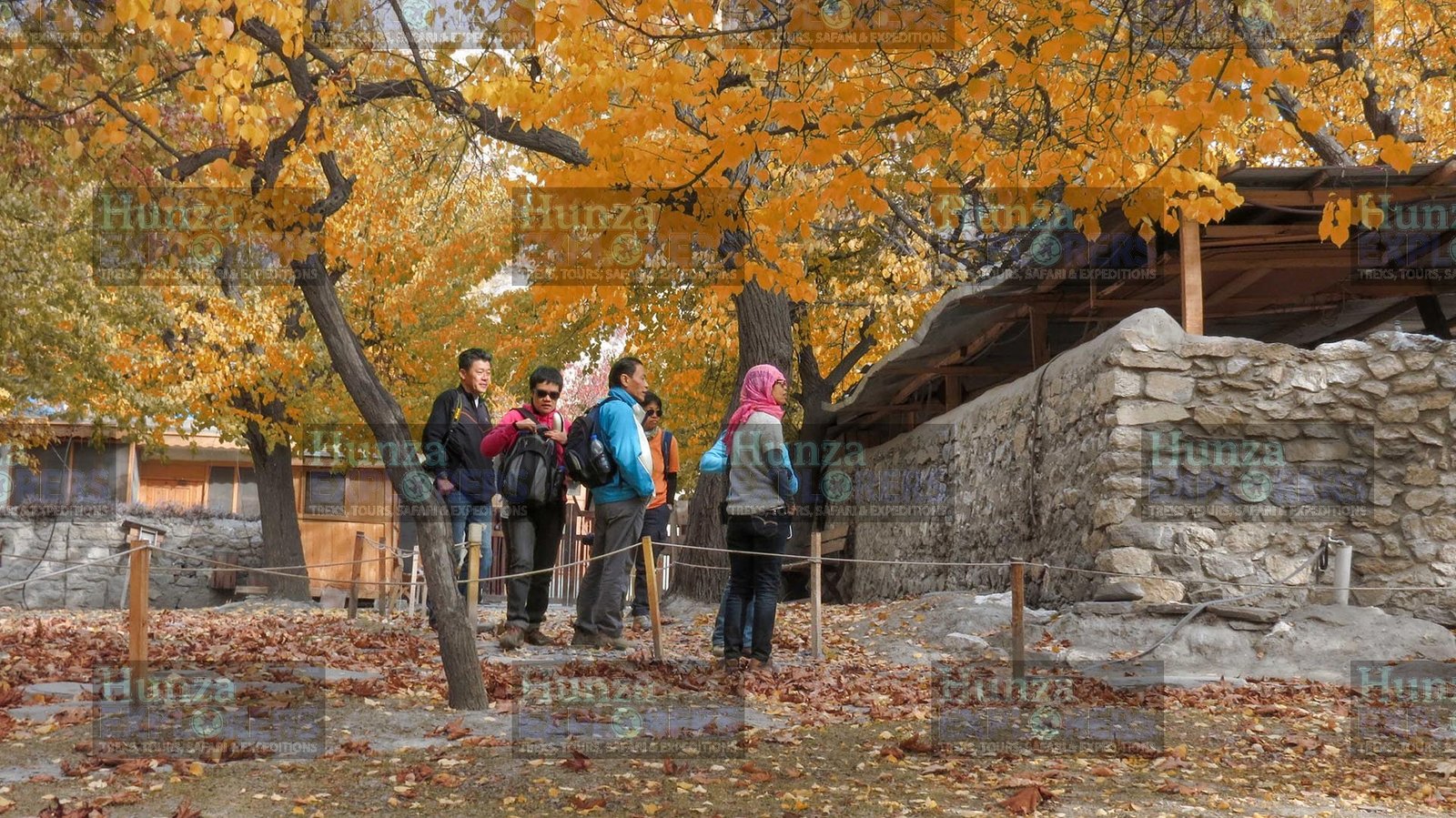
Autumn provides a particularly beautiful setting for exploring the Kalash Valleys. Trees surrounding traditional settlements and cultivated terraces change colour against the steep mountain slopes, while the villages retain their distinctive character throughout the season.
The journey then continues towards Upper Chitral, travelling through mountain settlements and valleys before reaching Mastuj. The landscape gradually changes as we move towards the high-altitude route connecting Chitral with Gilgit-Baltistan.
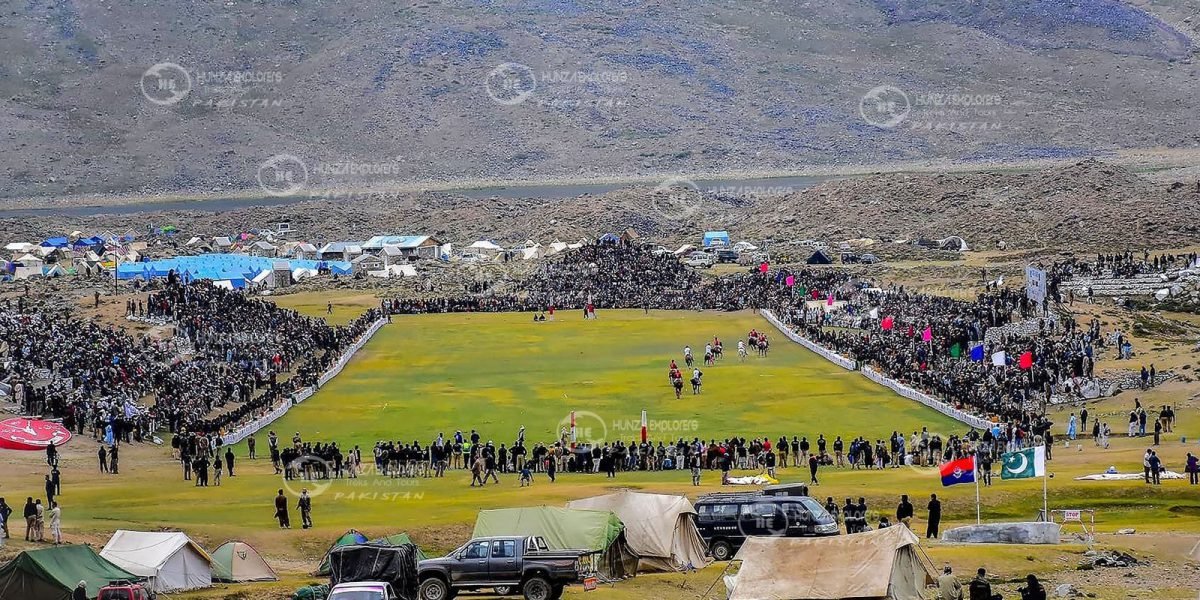
One of the most significant stages of the journey is the crossing of Shandur Pass. Located at approximately 3,700 metres above sea level, Shandur forms a high mountain route between Chitral and the Ghizer region of Gilgit-Baltistan. The area is famous for its high-altitude polo ground and the annual Shandur Polo Festival held during summer.
Autumn presents a quieter side of Shandur. The high plateau, surrounding mountains and changing weather create a dramatic transition between the landscapes of Chitral and Gilgit-Baltistan. Because Shandur is a high-altitude mountain route, its accessibility depends on actual weather and road conditions, particularly as winter approaches.
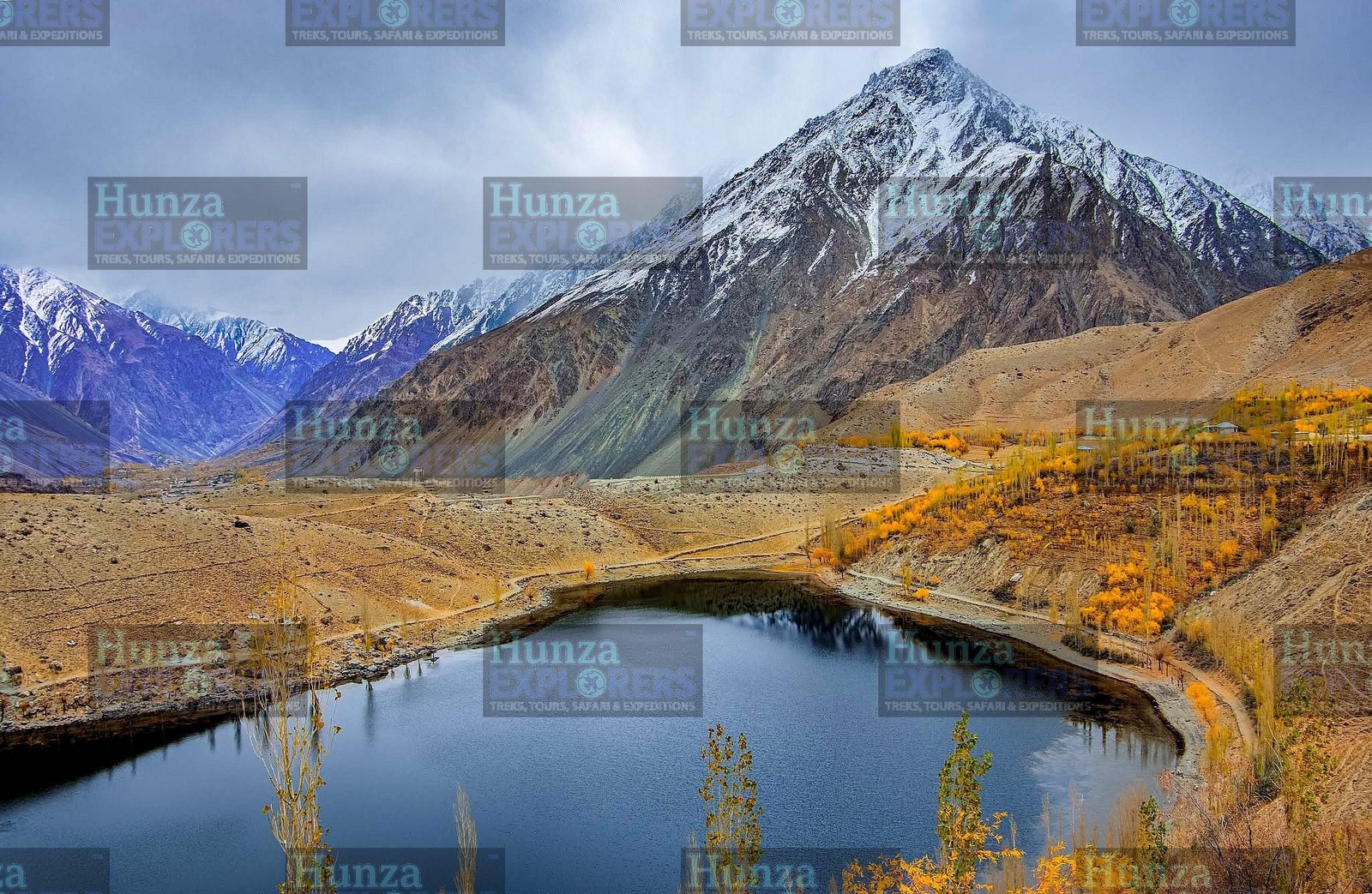
After crossing Shandur, we descend towards the Ghizer region. The change in altitude brings us into a landscape of rivers, lakes, agricultural land and mountain villages. The scenery around Phandar and Gupis is particularly striking, with autumn trees providing strong contrasts against the surrounding mountains.
From Ghizer to the Autumn Landscapes of Hunza
Our journey continues through Phandar and Gupis before reaching Gilgit, the principal urban centre of Gilgit-Baltistan. From Gilgit, we enter the Karakoram and follow the Karakoram Highway towards Hunza.
The landscape changes dramatically as we approach Hunza. Huge mountain walls rise above the valley, while villages and cultivated areas occupy terraces and riverbanks below. The journey through Upper Hunza takes us towards Gojal and the settlements of Ghulkin, Gulmit and Passu.
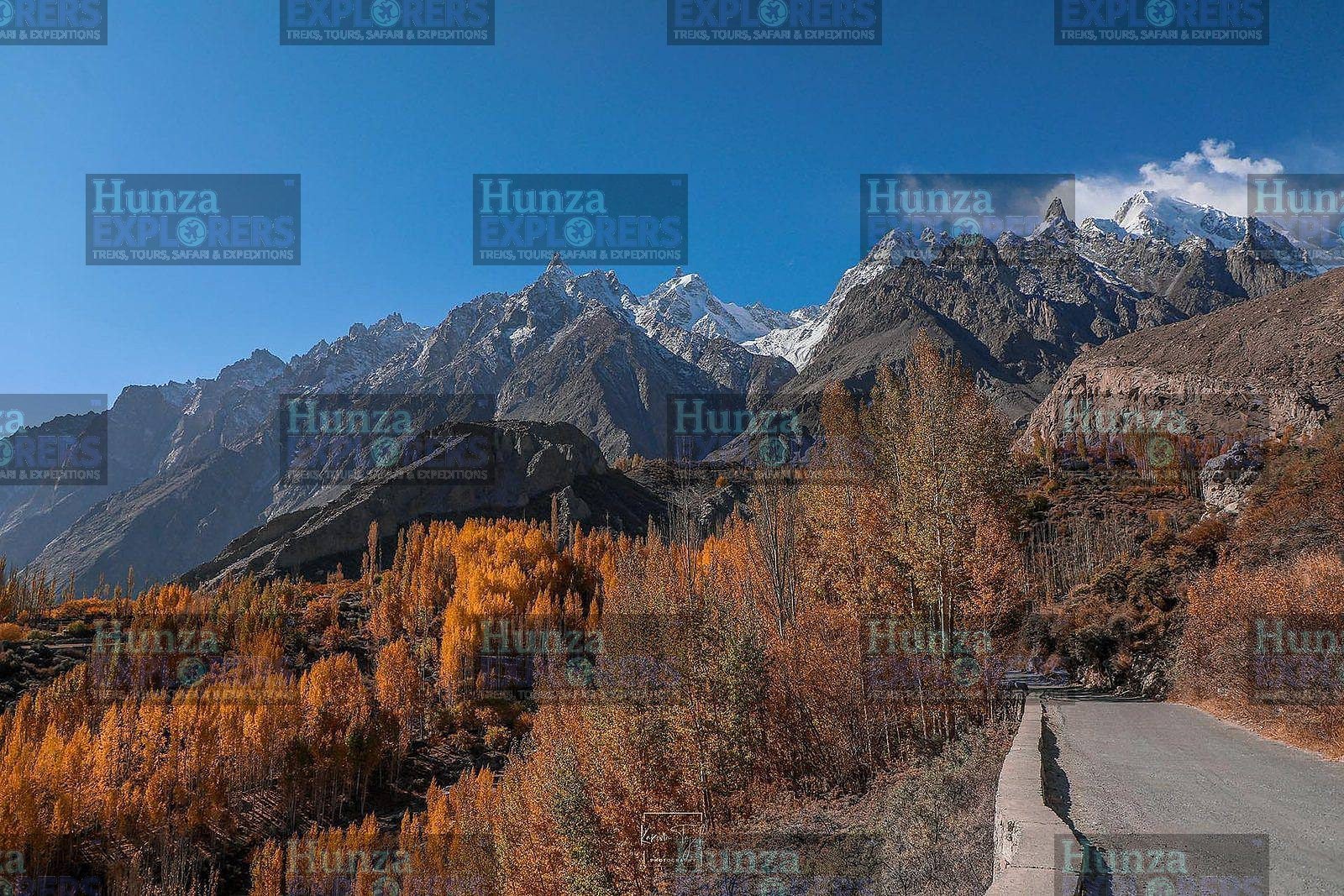
The autumn scenery of Upper Hunza is particularly impressive because of the contrast between the golden foliage around the villages and the enormous rocky peaks of the Karakoram. Passu is surrounded by some of the region's most recognisable mountain landscapes, while Gulmit and Ghulkin provide opportunities to experience local village life and the cultural character of Gojal.
Continuing towards central Hunza, we reach Karimabad, the principal tourist centre of the valley. The area combines dramatic mountain scenery with important cultural and historical sites, including Baltit Fort, Altit Fort and Ganish.
Baltit Fort stands above Karimabad and reflects the historic heritage of the former Hunza state. Altit Fort overlooks the older settlement of Altit, while Ganish represents one of the historic settlements of Hunza. Exploring these places during autumn creates a memorable combination of history, traditional architecture and seasonal mountain scenery.
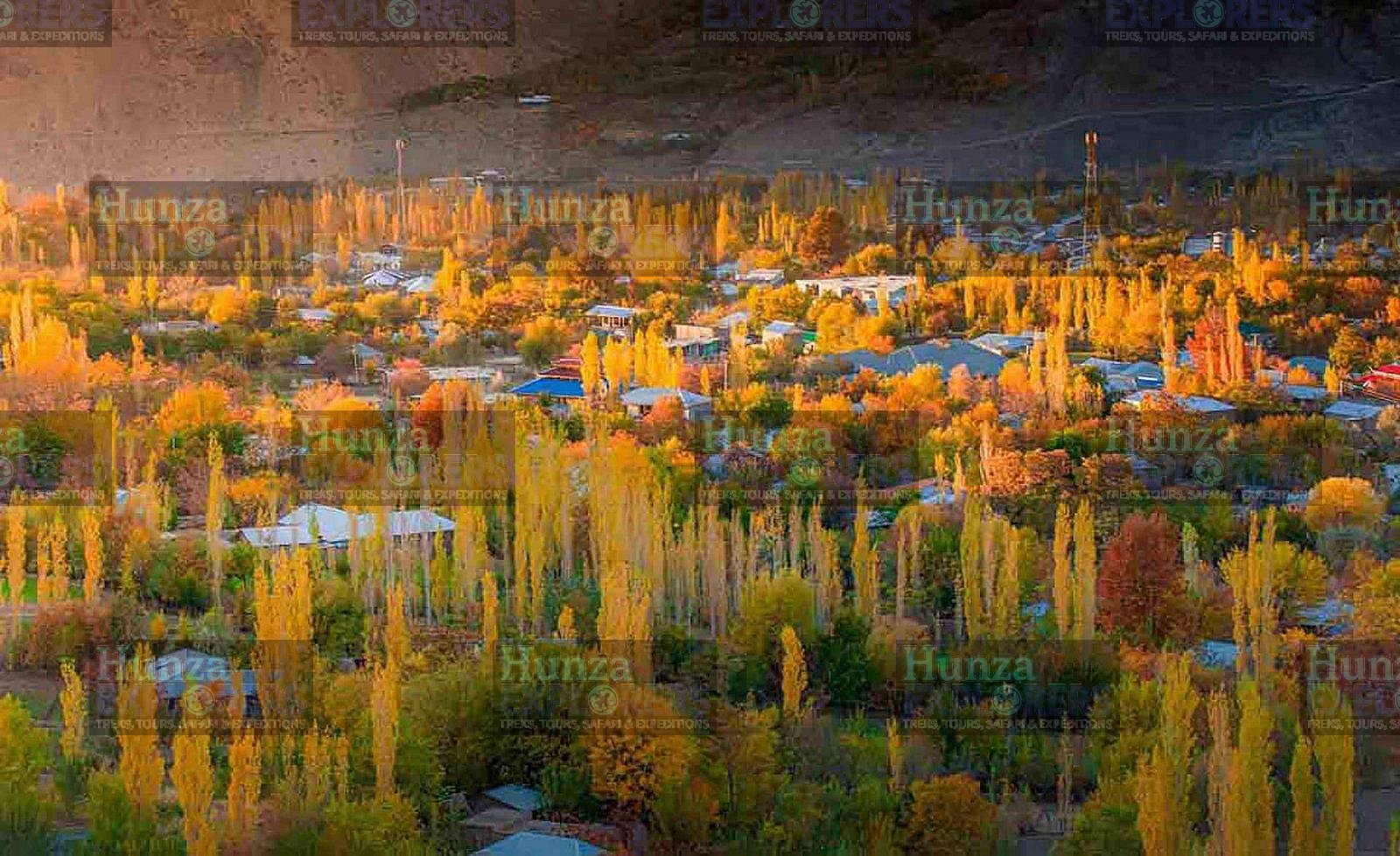
The autumn experience in Hunza is not limited to the main tourist centres. The surrounding villages, orchards, agricultural terraces and river corridors all contribute to the seasonal landscape. Depending on the timing of the journey, different parts of the valley may display different stages of autumn colour.
The return journey follows the Karakoram Highway towards Islamabad, allowing us to experience the changing landscapes once again as we leave the high mountains behind. The route provides a final opportunity to appreciate the scale and diversity of the northern regions we have travelled through.
What makes this journey particularly special is the geographical and cultural diversity covered within one itinerary. We begin in the foothills around Islamabad, enter the Hindu Kush of Chitral, experience the unique cultural environment of the Kalash Valleys, cross the high-altitude Shandur region, travel through the valleys of Ghizer and finally enter the enormous mountain landscape of the Karakoram.
The autumn season adds another dimension to the journey. Because autumn progresses according to altitude and local weather, the scenery changes gradually throughout the route. Lower valleys may still contain green foliage while higher or colder areas may already be displaying strong autumn colours. This means the journey itself becomes part of the seasonal experience.
For photographers, the tour offers an extraordinary variety of subjects: golden trees, traditional villages, mountain rivers, high passes, historic forts, lakes and towering peaks. For cultural travellers, the Kalash Valleys, Chitral and Hunza provide opportunities to learn about communities with distinctive traditions and histories. For mountain enthusiasts, the route connects two of Asia's great mountain systems and crosses some of northern Pakistan's most spectacular landscapes.
The Chitral & Hunza Autumn Tour is therefore much more than an autumn sightseeing trip. It is a long-distance journey through some of the most culturally diverse and geographically dramatic regions of Pakistan. From the Hindu Kush to the Karakoram, from the Kalash Valleys to Hunza, every stage reveals a different landscape and a different aspect of northern Pakistan.
By combining Chitral and Hunza in one autumn journey, travellers experience far more than the changing colours of the season. They discover mountain cultures, historic settlements, high-altitude landscapes and some of the country's most spectacular scenery while travelling through a region where the character of the landscape changes with every valley and every turn of the road.
Why You’ll Love This Tour
The Chitral & Hunza Autumn Tour brings together two of northern Pakistan's most remarkable mountain regions in one extended journey. Instead of focusing on a single valley, the itinerary crosses the Hindu Kush and Karakoram, creating a constantly changing experience of landscapes, cultures and mountain environments.
You will experience the autumn scenery of Chitral, explore the distinctive Kalash Valleys, travel through Upper Chitral, cross the high-altitude Shandur Pass, and continue through the valleys of Phandar and Gupis before reaching the spectacular landscapes of Hunza.
The tour is particularly rewarding during autumn because the seasonal colours appear at different elevations and locations along the route. Golden trees around villages and river valleys contrast beautifully with the rugged mountains, glaciers and high peaks of the Hindu Kush and Karakoram.
It is an ideal journey for travellers who enjoy scenic road trips, photography, mountain landscapes and cultural experiences. The itinerary also allows time to explore historic places and traditional communities rather than simply passing through the region.
What makes the journey memorable is the variety: Kalash Valleys, high mountain passes, Ghizer's lakes and valleys, the historic settlements of Hunza, and the dramatic Karakoram Highway are all part of one continuous autumn adventure.