Discover Afghanistan: A Journey Through History, Culture and Living Heritage
Afghanistan is a country whose name evokes some of the most important chapters in the history of Central and South Asia. Positioned at the crossroads of ancient trade routes linking Central Asia, the Indian subcontinent, Persia and the wider Islamic world, Afghanistan has been shaped by centuries of movement, exchange and cultural interaction. From the historic streets of Kabul to the monumental landscapes of Bamyan, the blue waters of Band-e Amir, the architectural heritage of Herat, and the ancient legacy of Mazar-i-Sharif, Discover Afghanistan offers a cultural and historical journey through some of the country's most significant destinations.
This 10–12 day journey starts and ends in Islamabad, Pakistan, making it particularly suitable as an extension to a wider Pakistan tour. Travellers already exploring Pakistan can add the Afghanistan experience to their journey, creating a broader exploration of the history, culture and landscapes of the region. The Afghanistan portion begins with a flight from Islamabad to Kabul, followed by carefully planned travel between the principal destinations.
From Kabul to the Ancient Heart of Afghanistan
The journey begins in Kabul, Afghanistan's capital and one of the country's oldest urban centres. Set within a mountain basin, Kabul has historically served as an important meeting point between different regions and civilisations. Its history encompasses periods associated with Buddhism, ancient kingdoms, Islamic dynasties, the Mughal era and the political history of modern Afghanistan.
Exploring Kabul provides an introduction to the country's cultural diversity and complex history. The city and its surroundings contain historic monuments, bazaars, gardens, museums and religious landmarks that reveal different layers of Afghanistan's past. Babur's Garden, associated with the first Mughal emperor Babur, offers an important connection to the Mughal period, while Kabul Museum provides a wider perspective on Afghanistan's archaeological heritage where access is available.
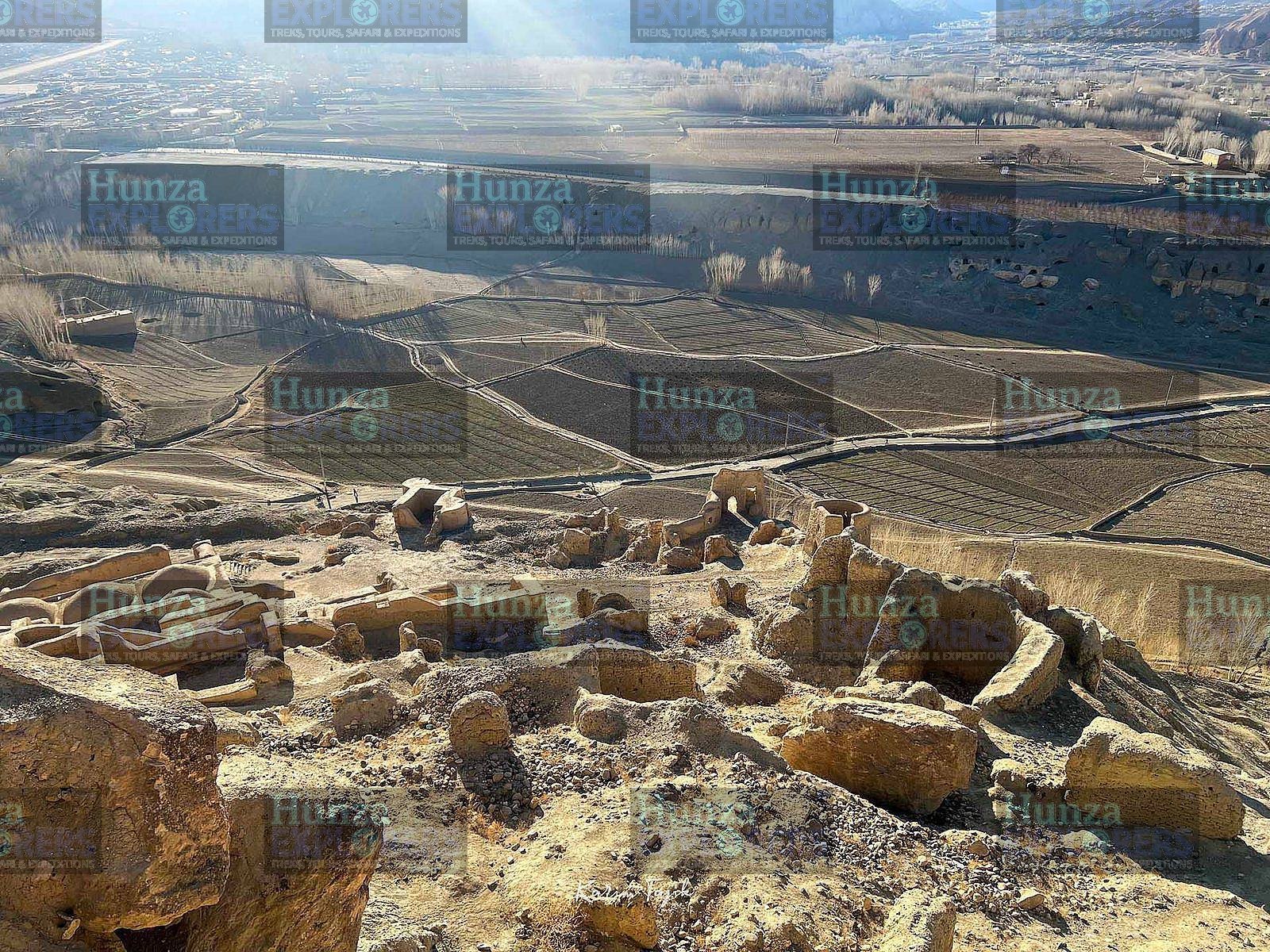
From Kabul, the journey continues towards Bamyan, a spectacular mountain valley in central Afghanistan. The region is internationally recognised for its archaeological and cultural importance. The Bamyan Valley was once an important centre of Buddhist culture and a major point along ancient routes connecting the Iranian world with Central Asia and the Indian subcontinent.
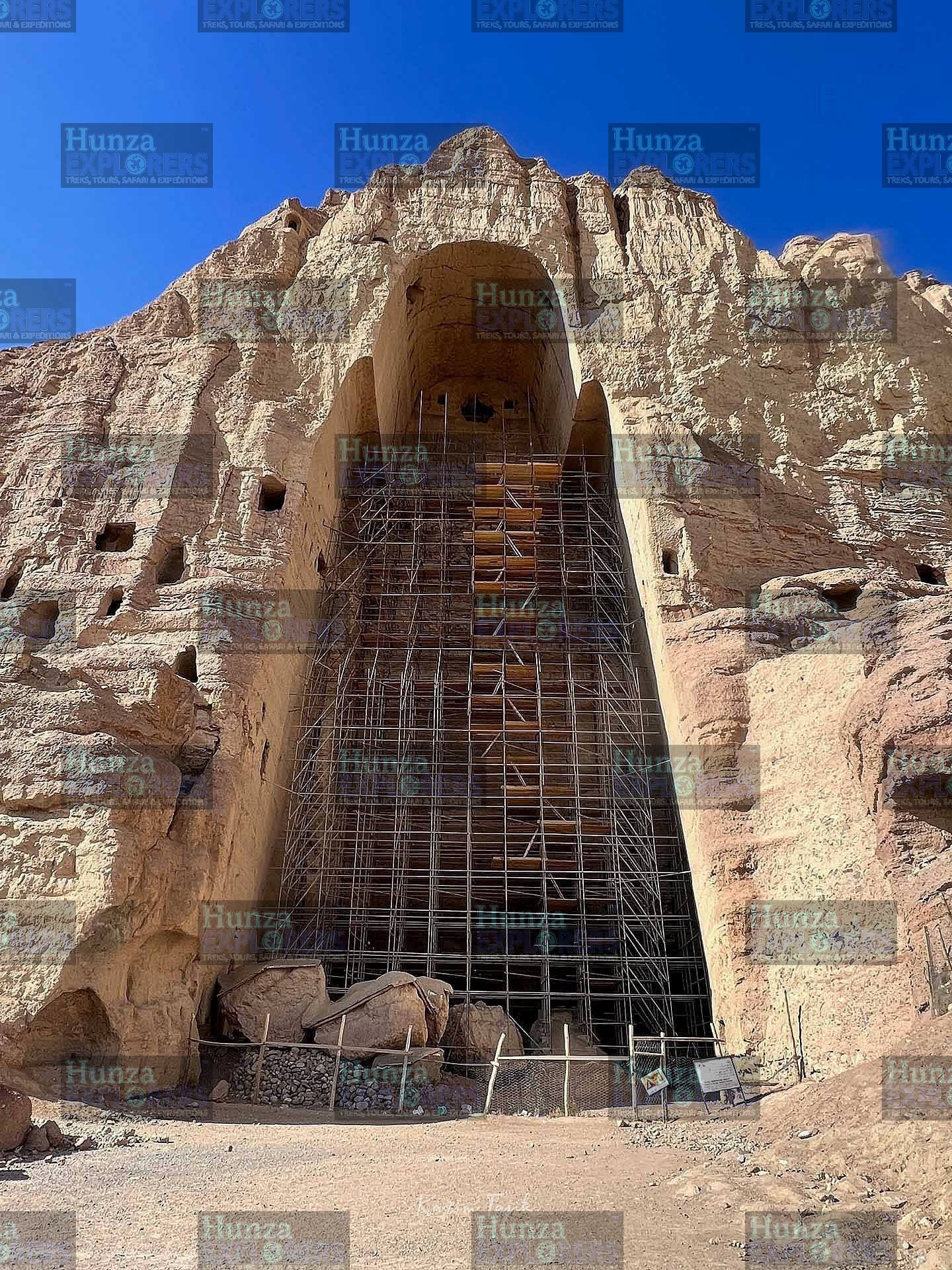
The most famous remains are the niches of the Bamiyan Buddhas, monumental statues carved into the cliffs during the flourishing of Buddhism in the region. Although the statues themselves were destroyed in 2001, the archaeological landscape, cliff niches and surrounding cultural remains continue to tell the story of Bamyan's extraordinary past. The wider Cultural Landscape and Archaeological Remains of the Bamiyan Valley is inscribed as a UNESCO World Heritage Site.
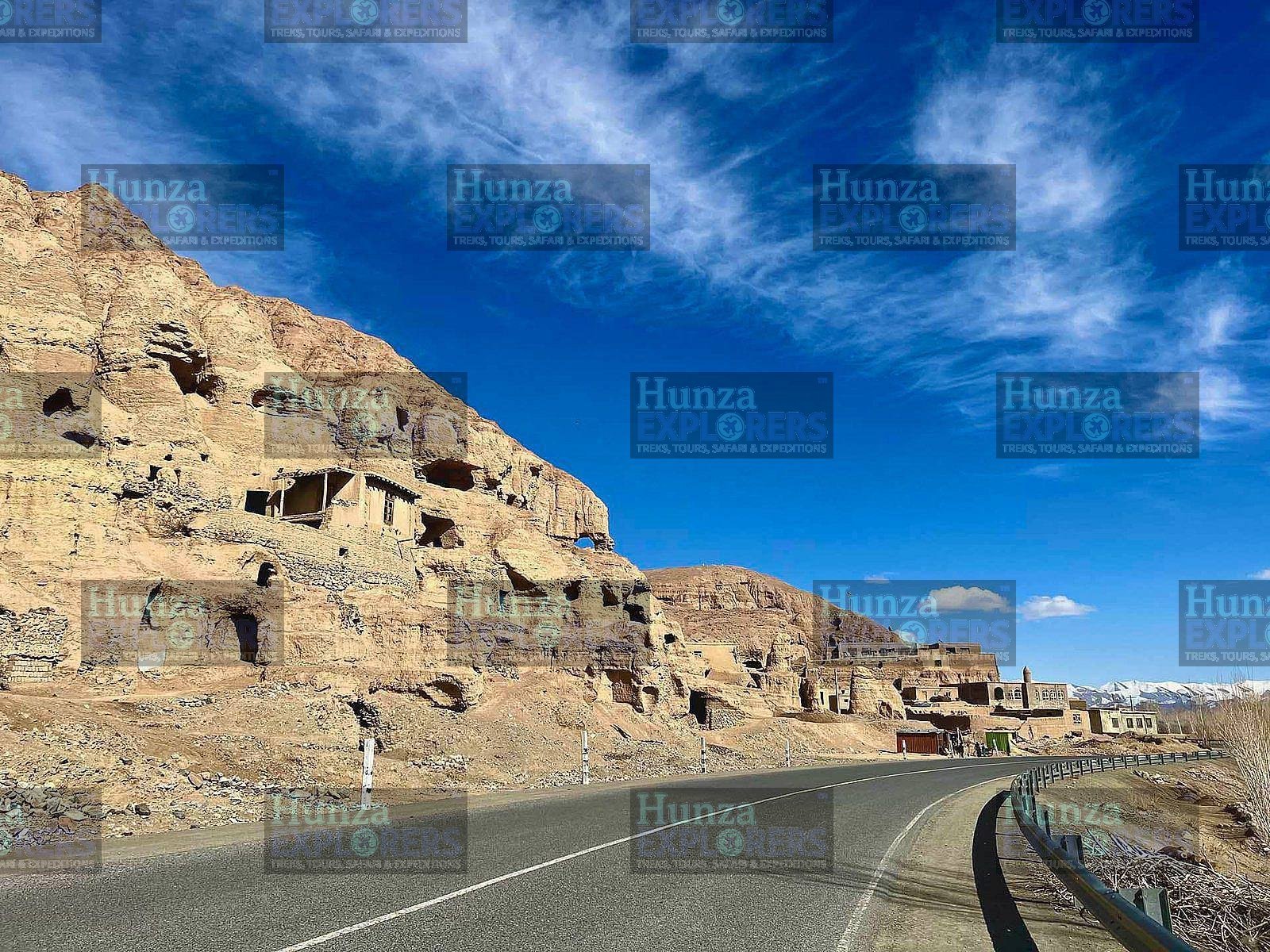
Bamyan also provides a striking contrast to the urban environment of Kabul. The valley is surrounded by rugged mountains and open landscapes, with traditional settlements and agricultural areas adding to its distinctive character. Travelling through this region provides an opportunity to understand Afghanistan not only through its monuments but also through its landscape and communities.
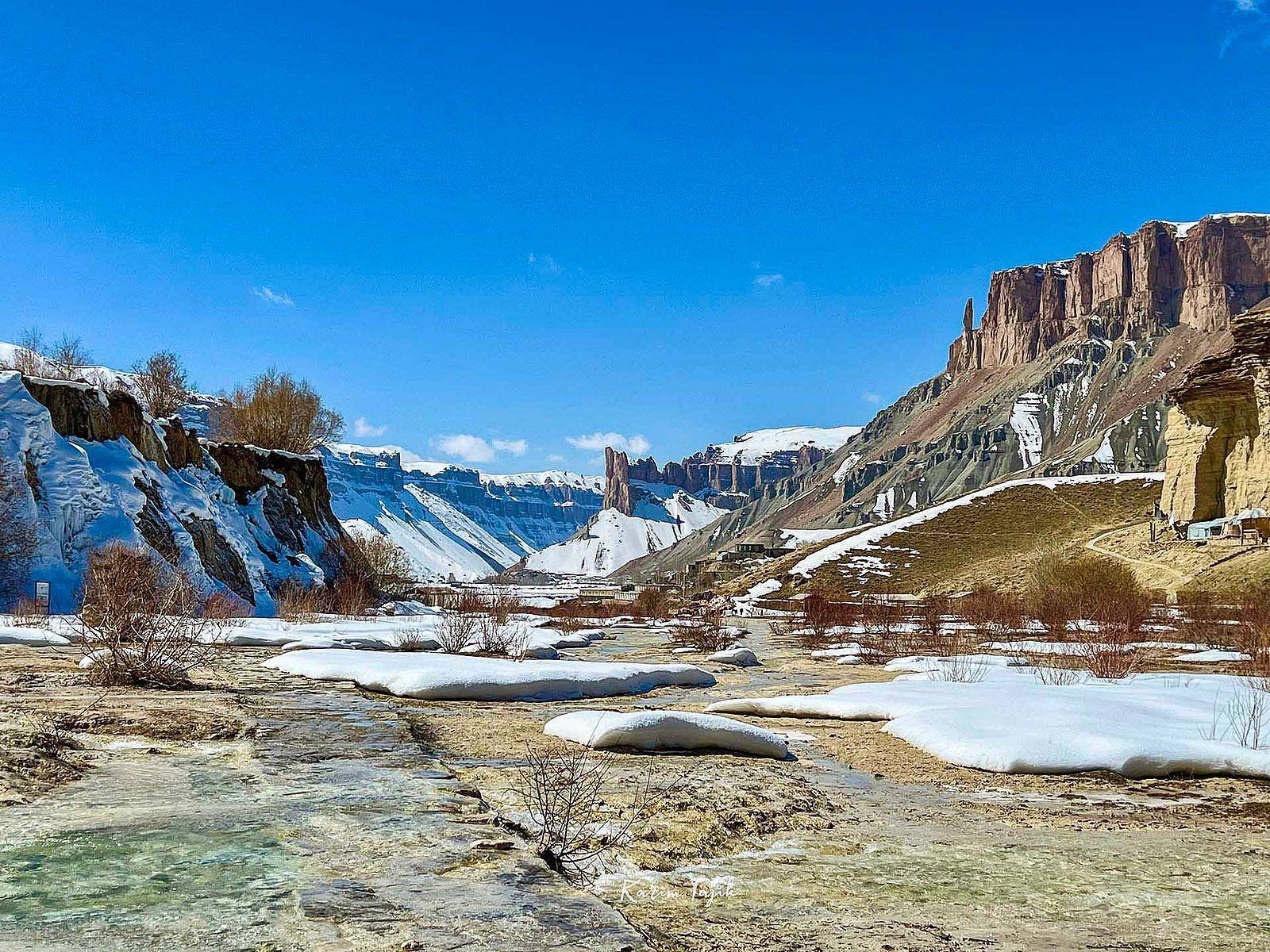
Nearby Band-e Amir National Park introduces another dimension to the journey. Known for its series of naturally formed deep-blue lakes surrounded by dramatic limestone mountains, Band-e Amir is one of Afghanistan's most remarkable natural landscapes and the country's first national park. The lakes are fed by natural springs and separated by natural travertine dams, creating a series of striking turquoise and blue pools.
From central Afghanistan, the journey continues towards Herat, one of the country's great historic cities. Herat developed as an important centre of scholarship, art, architecture and trade, particularly during the Timurid period. Its historical importance can be seen in its monumental architecture, traditional urban fabric and surviving cultural landmarks.
The city is particularly associated with the Timurid cultural renaissance, when Herat became a major centre of Persian literature, miniature painting, architecture and scholarship. The Herat Citadel, also known as Qala Ikhtiyaruddin, is among the city's most important historic monuments. The Musalla of Herat and the Friday Mosque of Herat further demonstrate the architectural and artistic heritage for which the city became renowned.
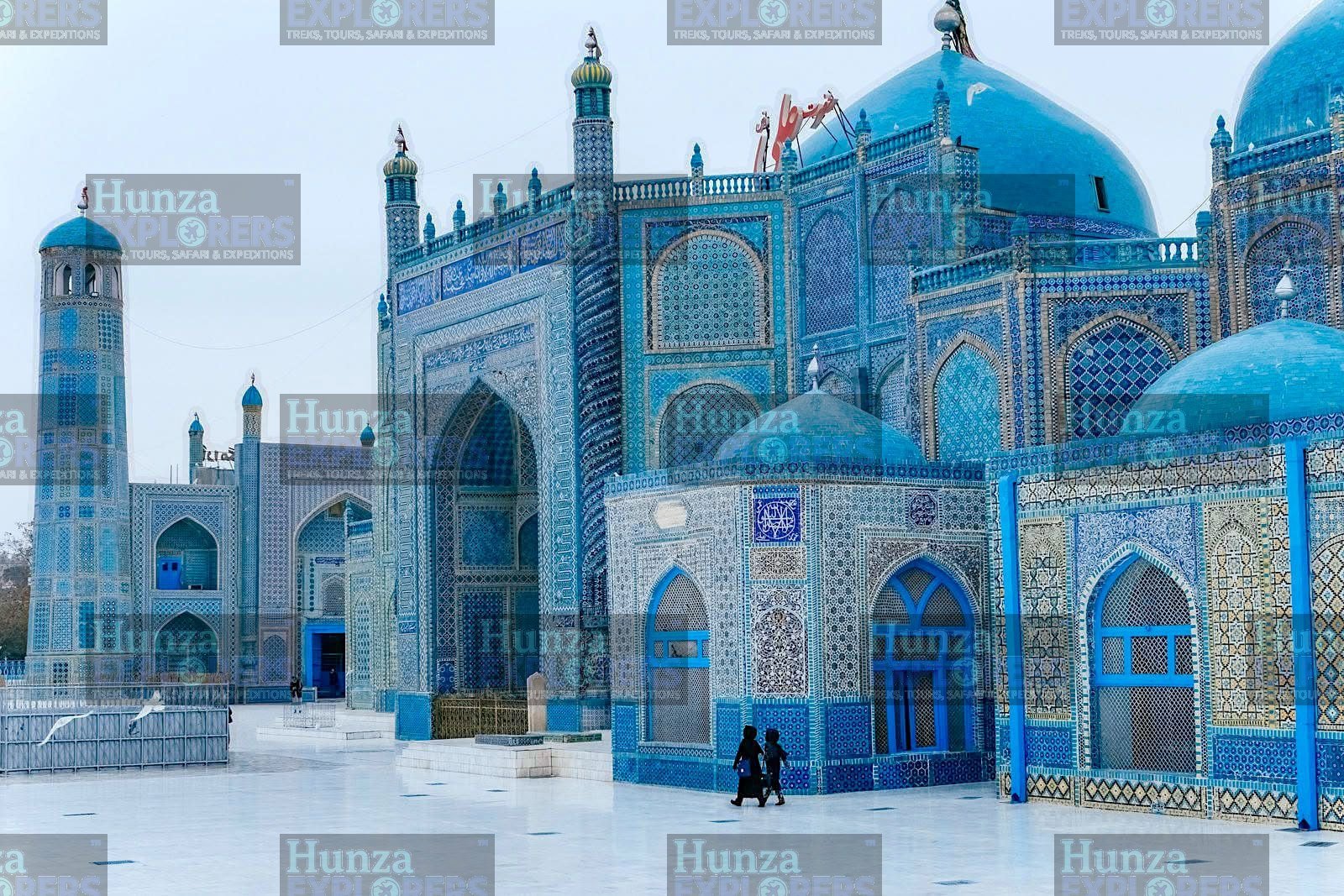
The final major destination is Mazar-i-Sharif, one of northern Afghanistan's most important cities and a major centre of religious and cultural significance. The city is best known for the striking Blue Mosque, formally associated with the Shrine of Ali, whose distinctive blue-tiled architecture has become one of Afghanistan's most recognisable landmarks.
The journey through Afghanistan therefore connects several distinct historical landscapes. Kabul introduces the country's modern capital and layered history; Bamyan reveals Afghanistan's Buddhist heritage and extraordinary archaeological landscape; Band-e Amir demonstrates the country's natural beauty; Herat showcases Persian and Timurid artistic traditions; and Mazar-i-Sharif provides an important window into Afghanistan's Islamic and regional heritage.
A Journey Through Afghanistan's Cultural Crossroads
What makes Discover Afghanistan particularly compelling is the opportunity to experience these destinations as part of one connected historical journey. Afghanistan cannot be understood through a single civilisation or historical period. Its cultural identity has developed through centuries of interaction between Central Asia, Persia, South Asia and the wider Islamic world.
The route reflects that diversity. Ancient Buddhist heritage in Bamyan sits alongside Islamic architecture in Herat and Mazar-i-Sharif. Mughal history can be explored in Kabul, while traditional communities and mountain landscapes provide a connection to Afghanistan's living cultural heritage.
The journey also offers a rare opportunity to travel beyond the country's most commonly discussed political narrative and encounter its archaeological sites, architecture, landscapes, traditional markets and cultural traditions. For travellers with a serious interest in history, archaeology, architecture, photography and Central Asian culture, the experience provides a deeper perspective on Afghanistan's place in regional history.
As Afghanistan remains a challenging destination in terms of security, access, permits and operational conditions, this journey requires careful planning and flexibility. Sightseeing, internal travel, accommodation, permits and access to individual sites can change according to local circumstances and official requirements. The itinerary is therefore designed around current operational conditions and may require adjustments when necessary.
Starting and ending in Islamabad also makes the journey particularly useful for travellers undertaking a wider Pakistan itinerary. Rather than requiring a separate international journey to begin the Afghanistan experience, travellers can incorporate Afghanistan into a broader exploration of the region, subject to applicable visa, border, flight and security requirements.
Discover Afghanistan is ultimately a journey through layers of history that have shaped one of the world's most culturally significant crossroads. From ancient Buddhist monuments and mountain lakes to Timurid architecture, Islamic heritage and living traditions, the route reveals a country whose history is considerably broader and more complex than any single chapter can convey.
For travellers seeking a cultural and historical experience across Afghanistan's most significant destinations, this journey offers an exceptional opportunity to explore Kabul, Bamyan, Band-e Amir, Herat and Mazar-i-Sharif within one carefully structured adventure from Pakistan.
Why You'll Love This Tour
Discover Afghanistan is designed for travellers who want to explore the country's history, architecture, archaeology and living cultural heritage rather than simply pass through its major cities. The itinerary brings together five very different destinations, creating a journey that moves from the urban history of Kabul to the Buddhist heritage of Bamyan, the extraordinary natural scenery of Band-e Amir, the Timurid legacy of Herat, and the religious and cultural significance of Mazar-i-Sharif.
The variety is one of the tour's greatest strengths. Ancient archaeological landscapes, historic mosques, citadels, traditional bazaars, mountain valleys and dramatic lakes all form part of the experience. Travellers interested in Central Asian history, Islamic architecture, Buddhism, archaeology and photography will find particularly strong opportunities throughout the route.
The journey is also ideal for travellers already visiting Pakistan who want to extend their experience into Afghanistan. Starting and ending in Islamabad makes it possible to combine the tour with a wider Pakistan itinerary, subject to current flight schedules, visa requirements and operational conditions.
Because Afghanistan is a destination where conditions can change rapidly, flexibility is an important part of the experience. The itinerary may need to be adjusted according to security conditions, permits, transport availability and access to individual sites.