Home / Tours / Explore HUNZA

Explore HUNZA

Discover the Heart of the Karakoram

★★★★★ (0 reviews)9 Days / 8 Nights
StyleCultural, Photography, Sightseeing, Daily TourDifficulty: Easy
GuideFully GuidedLanguage: English
Group Size1-16 guestsFitness: Low
TransportPrivate VehicleTour transfers arranged
StayHotel, GuesthouseAll Inclusive
SeasonYear Round
Starts InIslamabad
Ends InIslamabad
Max Altitude4693 m
PermitsOpen Zone

Explore Hunza Valley: Mountains, Culture and the Heart of the Karakoram

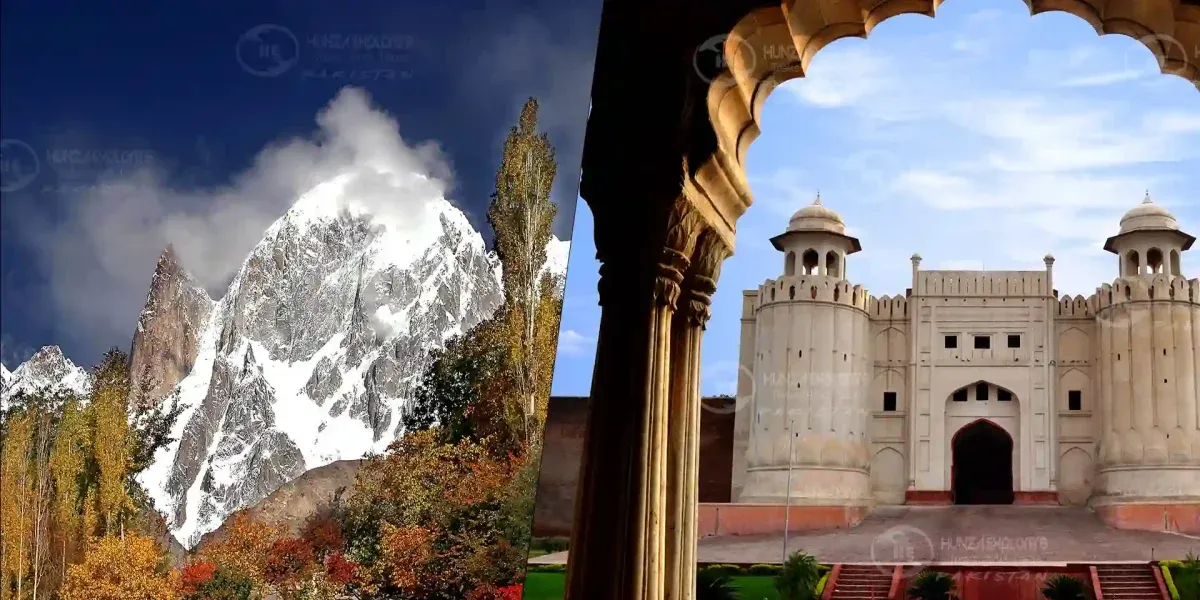
Hunza Valley is one of Pakistan's most extraordinary mountain destinations, where ancient routes, living cultures, fertile valleys and some of the world's most spectacular peaks come together in the heart of Gilgit-Baltistan. An Explore Hunza journey goes far beyond the familiar viewpoints of Karimabad, taking travellers through the diverse landscapes of Lower Hunza, Central Hunza and Upper Hunza (Gojal), with opportunities to experience remote valleys, historic settlements, traditional communities and the dramatic scenery of the Karakoram Range.

Situated along the historic corridor connecting Pakistan with China, Hunza has long been shaped by movement, trade and cultural exchange. The valley's location on the ancient Silk Road brought merchants, pilgrims and travellers through the mountains for centuries, leaving behind a rich cultural landscape that can still be experienced today. Historic forts, traditional villages, old settlements and remnants of the Ancient Silk Route provide a fascinating connection between Hunza's present-day communities and its past.

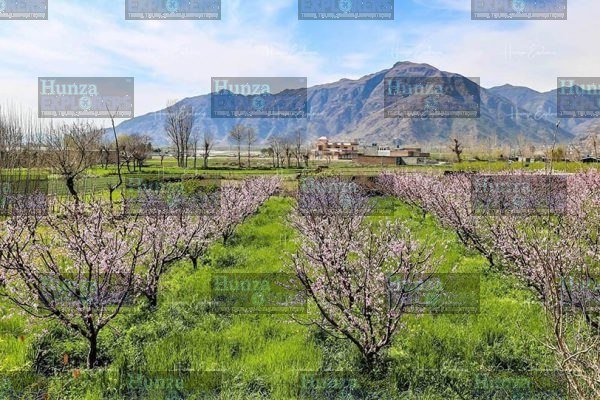
The landscape is equally remarkable. Towering peaks rise above orchards and villages, while glacial rivers flow through narrow valleys towards the Hunza River. Depending on the season, the valley changes character dramatically. Spring brings the celebrated Hunza Cherry Blossom season, when apricot, cherry, peach and other fruit trees transform villages and orchards with colour. Summer brings clear mountain views and access to the higher valleys, while Autumn covers the landscape in golden and amber tones. Winter creates a quieter and more dramatic mountain environment.

An Explore Hunza itinerary is designed to reveal this diversity rather than limiting the experience to Karimabad. From the historic heart of Hunza, the journey can extend towards Nagar Valley, Hoper Valley, Upper Hunza, Shimshal Valley, Chipurson Valley and Misgar Valley, each offering a different perspective on the region's geography, history and culture.

From Historic Karimabad to the Remote Valleys of Upper Hunza

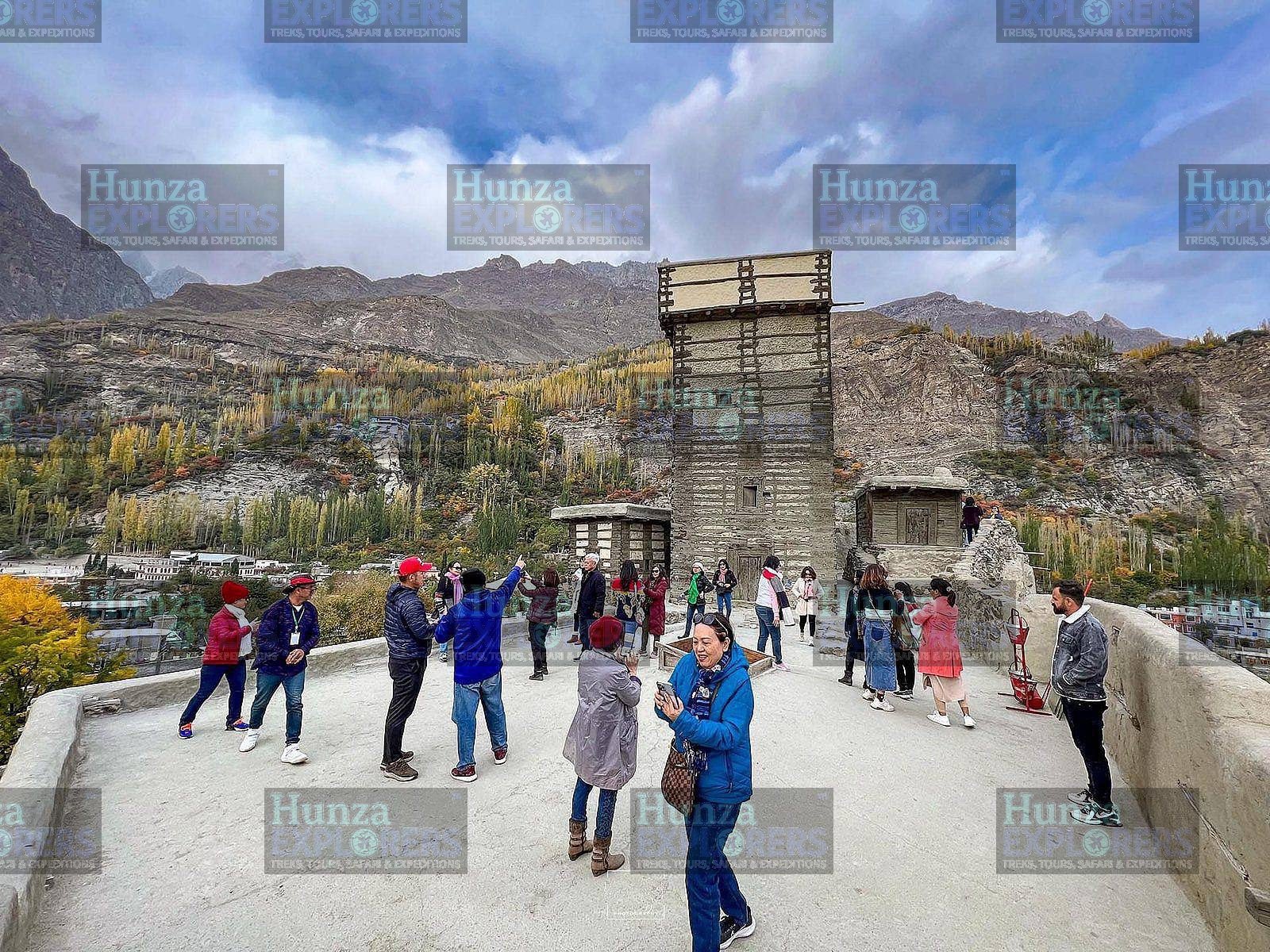
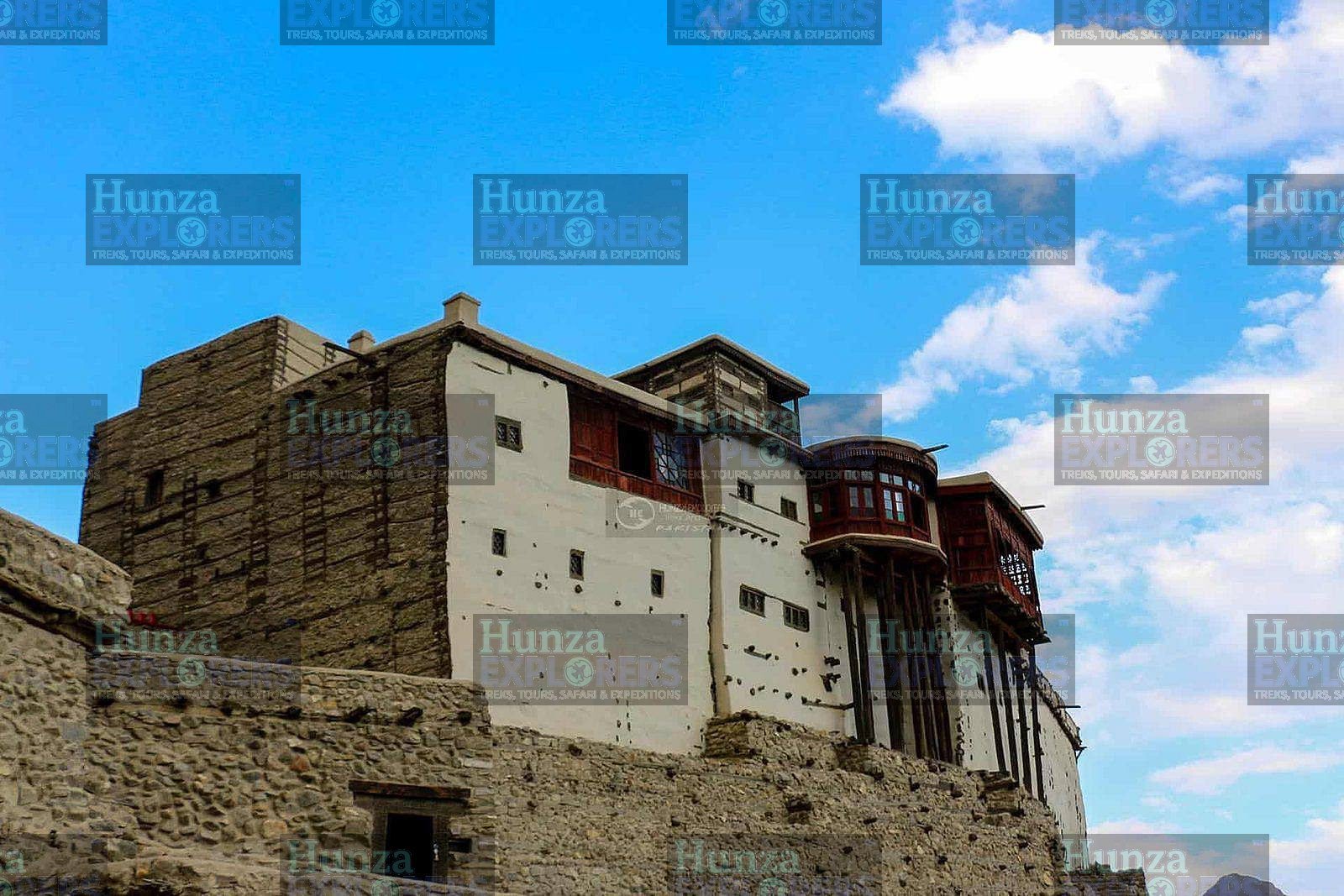
Karimabad remains the cultural and historical centre of Hunza and provides an ideal introduction to the valley. The town is home to the imposing Baltit Fort, the historic Altit Fort, traditional streets and viewpoints overlooking the surrounding mountains. Nearby villages preserve old irrigation channels, terraced fields and traditional stone-and-wood houses, offering an insight into the way communities have adapted to life in one of the world's great mountain environments.

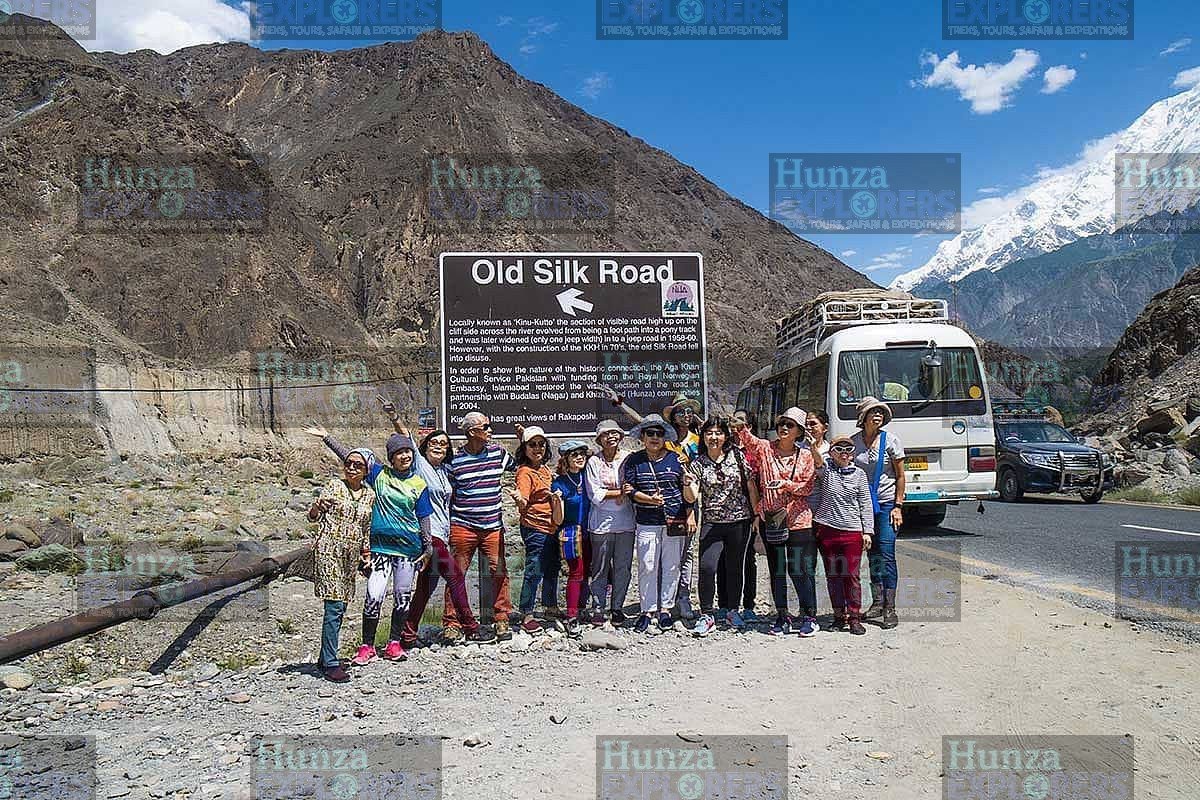
From Karimabad, the landscape opens towards Nagar Valley, where travellers can experience views of Rakaposhi and explore remnants of the historic Ancient Silk Route. The dramatic relationship between the mountains, river valleys and settlements is particularly striking from the road between Nagar and Hunza.

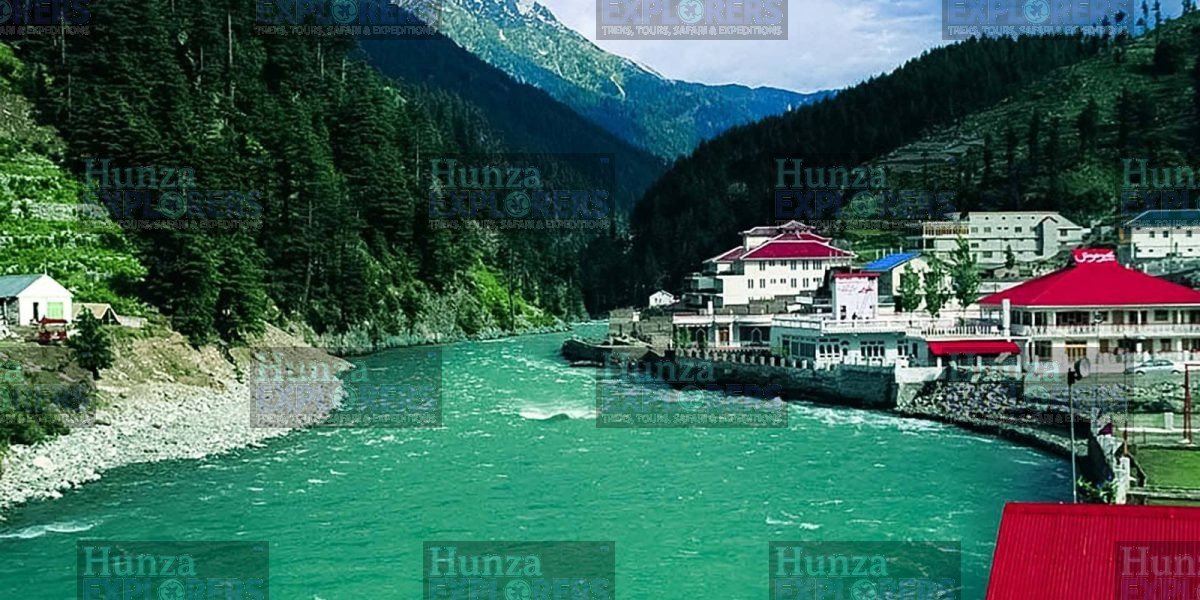
Further north lies Attabad Lake, created by the massive landslide of 2010. Today, its striking turquoise waters form one of the most recognisable landscapes in northern Pakistan. Beyond the lake are the villages and valleys of Gulmit, Ghulkin, Shishkat and the wider Upper Hunza (Gojal) region, where the landscape becomes increasingly dominated by glaciers, high peaks and narrow mountain valleys.

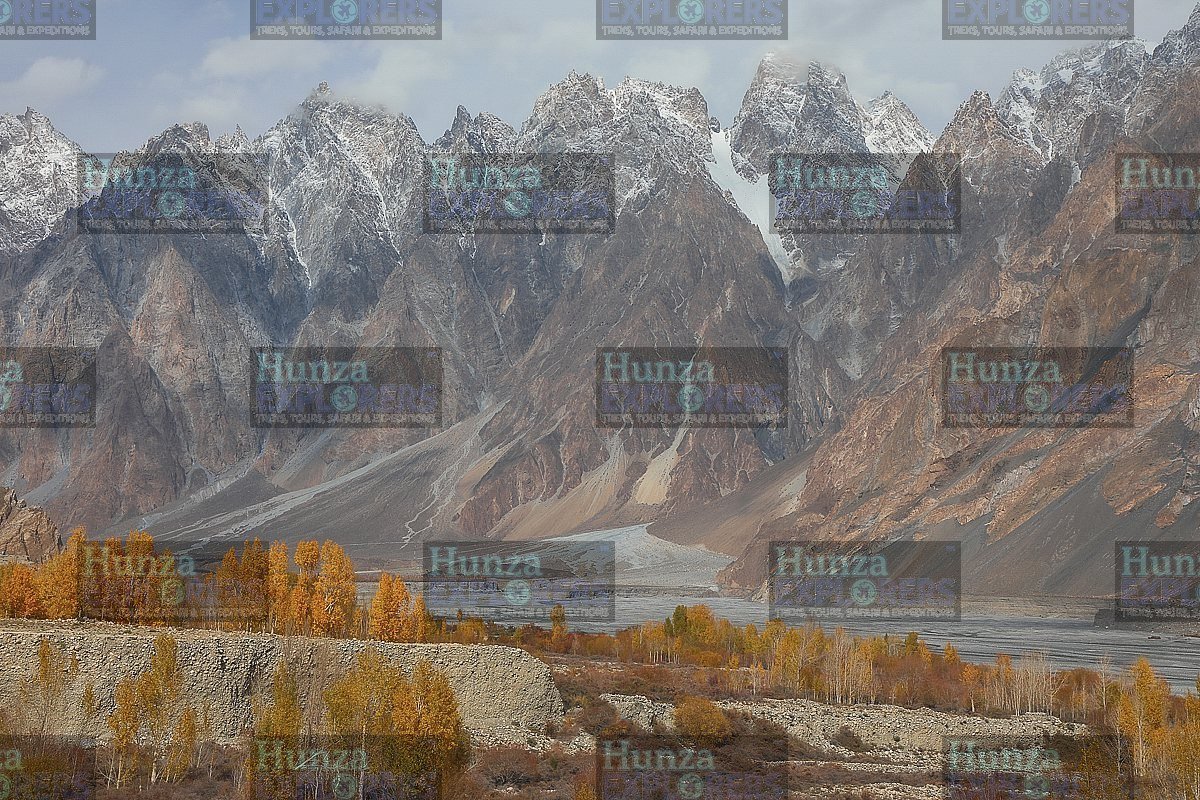
The journey into Upper Hunza can continue towards Passu, renowned for its dramatic Passu Cones, and onward to Khunjerab Pass, the high mountain crossing connecting Pakistan with China. At an elevation of approximately 4,693 metres, Khunjerab Pass is one of the highest paved international border crossings in the world and lies within Khunjerab National Park.

But Upper Hunza extends far beyond the main road. Shimshal Valley, the largest valley in Hunza by area, reaches deep into the Karakoram and is surrounded by an extraordinary mountain environment. Chipurson Valley follows another remote branch towards the Afghanistan border, while Misgar Valley provides another distinctive cultural and geographical experience in the far north. These valleys reveal a quieter side of Hunza, where traditional communities, high mountain pastures and historic routes remain closely connected to the landscape.

Exploring Hunza therefore becomes a journey through several worlds within one mountain region: historic Karimabad, the orchards and villages of central Hunza, the turquoise waters of Attabad Lake, the dramatic peaks of Upper Hunza, and the remote communities of Shimshal, Chipurson and Misgar.

For travellers interested in culture, the journey offers much more than scenery. Hunza's communities have preserved distinctive traditions, languages, architecture, food and agricultural practices, while the valley's historic Ismaili heritage forms an important part of its contemporary identity. Visiting villages and meeting local communities provides a deeper understanding of how people have built sustainable lives in a challenging high-mountain environment.

The combination of natural beauty, cultural heritage and accessibility makes Hunza one of Pakistan's most rewarding destinations. Whether viewed beneath the blossoms of spring, the clear skies of summer or the golden colours of autumn, the valley offers an exceptional variety of experiences within a relatively compact region.

An Explore Hunza journey is ultimately about understanding the valley rather than simply seeing it. It connects historic forts with ancient trade routes, mountain villages with remote valleys, and everyday life with some of the most dramatic scenery in the Karakoram. For travellers seeking a comprehensive introduction to Hunza, this journey provides the opportunity to experience the valley's landscapes, history and people in depth.

Why You'll Love This Tour

Explore Hunza is designed for travellers who want to experience the full character of Hunza rather than visiting only its best-known attractions. The journey combines historic Karimabad, ancient forts, traditional villages, the Ancient Silk Route, spectacular mountain viewpoints, Attabad Lake, and the dramatic landscapes of Upper Hunza.

What makes the experience particularly memorable is its geographical and cultural variety. The itinerary can take you from orchards and historic settlements to high mountain valleys such as Shimshal, Chipurson and Misgar, each offering a different atmosphere and perspective.

It is an excellent choice for photographers, culture enthusiasts, history lovers, families, and travellers seeking a deeper mountain experience without turning the journey into a demanding trekking expedition. The pace allows time to appreciate villages, landscapes and local traditions while travelling through some of the most spectacular scenery in northern Pakistan.

The result is a comprehensive journey through Hunza's mountains, history and living culture.
Itinerary

We list Islamabad as the start and end point, but pick-up and drop-off can be arranged from any airport, border, or city in Pakistan.

What's Included

Professional English-speaking tour guide
Private transport throughout the tour
Airport transfers (arrival and departure)
Accommodation on a twin-sharing basis (single supplement available upon request)
Full-board meals (breakfast, lunch and dinner) throughout the tour
Driver accommodation and meals
Fuel, road tolls and parking charges
Pakistan visa support documents (where applicable)
Government taxes

What's Not Included

International and domestic flights
Pakistan visa fee
Monument, museum, national park and attraction entrance fees unless specifically stated
Travel insurance
Meals and beverages outside the included full-board meal service
Personal expenses, laundry and telephone charges
Optional activities
Tips and gratuities
Expenses arising from weather, road closures, flight delays, political situations, border restrictions, or any circumstances beyond the control of Hunza Explorers

Requirements & Restrictions

A passport with at least six months' validity is required for international travellers entering Pakistan. Most foreign travellers require a valid Pakistan tourist visa before…

Tour Route

PickupIslamabad
Drop-offIslamabad

Frequently Asked Questions

Quick answers to common questions about the Explore HUNZA.

Hunza Valley is in Gilgit-Baltistan, northern Pakistan, within the Karakoram mountain region. It lies along the historic route towards the Pakistan–China border and includes several distinct geographical areas, from lower Hunza to Upper Hunza (Gojal).

Hunza can be visited throughout much of the year, depending on the type of experience you want. Spring, from March to April, is particularly popular for Cherry Blossom. Summer, from May to August, is suitable for exploring higher valleys, while Autumn, from September to November, is known for golden foliage and clear mountain scenery. Winter, from December to February, offers a quieter snowy landscape but can bring difficult road conditions.

Karimabad, the main tourist centre of Hunza, is approximately 2,000–2,500 metres above sea level, depending on the specific part of the town. The elevation rises considerably when travelling into Upper Hunza and towards Khunjerab Pass, which is approximately 4,693 metres above sea level.

Major attractions include Baltit Fort, Altit Fort, Attabad Lake, Passu Cones, Khunjerab Pass, Hussaini Suspension Bridge, Passu White Glacier, Borith Lake,  the Ancient Silk Route, Nagar Valley, and the remote valleys of Shimshal, Chipurson, and Misgar.

Upper Hunza, also known as Gojal, is the northern part of Hunza District extending towards the Pakistan–China border. It includes Gulmit, Ghulkin, Passu, Sost, Shimshal, Chipurson, and Misgar, among other mountain communities and valleys.

Yes. The Explore Hunza tour includes travel to Khunjerab Pass, reaching the Pakistan–China border at approximately 4,693 metres above sea level, subject to road conditions, weather, security requirements, and official access regulations. The tour does not cross into China; the experience is limited to the Pakistani side of the international border.

Yes. Many of Hunza's principal attractions can be visited without strenuous trekking, making the region suitable for families who are comfortable with mountain roads and changing elevations. Longer journeys into remote valleys require greater tolerance for extended driving and basic mountain conditions.

Hunza can be suitable for older travellers who are comfortable with long mountain drives and walking on uneven surfaces. The itinerary can be paced according to the traveller's mobility and interests, although higher-altitude areas require additional consideration.

A high level of fitness is not required for general Hunza sightseeing. However, some forts, viewpoints, villages, and remote valleys involve walking, stairs, uneven paths, or moderate hikes. Travellers should be comfortable walking for several hours when required by the itinerary.

Upper Hunza offers dramatic mountain scenery, traditional villages, glaciers, high-altitude landscapes, and distinctive communities. Passu, Gulmit, Ghulkin, Shimshal, Chipurson, and Misgar each provide different experiences within the wider Gojal region.

Yes, a comprehensive Explore Hunza itinerary can be designed to include Shimshal Valley, Chipurson Valley, and Misgar Valley. These are remote mountain areas and require additional travel time compared with the main Hunza sightseeing route.

The Ancient Silk Route refers to the historic network of trade routes that connected regions of Central Asia, South Asia and China. Hunza formed part of this wider network, and remnants of historic routes and settlements can still be experienced in the region.

Hunza combines exceptional Karakoram scenery with historic forts, ancient trade routes, distinctive local communities, fertile orchards, traditional villages, and access to remote high-mountain valleys. Its combination of natural and cultural attractions makes it particularly diverse.

Yes, Hunza is a year-round destination, but winter conditions can significantly affect travel. Snow, freezing temperatures and road conditions may restrict access to higher valleys and Khunjerab Pass, so winter itineraries require careful planning.

Comfortable walking shoes, layered clothing, a warm jacket, waterproof outerwear, sunglasses, sunscreen, personal medication, and a small daypack are recommended. The appropriate clothing depends heavily on the season and the elevations included in the itinerary.

📅

This tour is available on custom dates

No fixed departures are open right now. Switch to the Private Tour Request tab and we will plan dates for your group.

Request a Private Tour

Share your preferred dates and group details, and we will craft a custom private trip for you.

Personal Information

Tour Details

Traveler Reviews

0.0
Overall rating based on 0 Reviews
  • Itinerary0.0
  • Transport0.0
  • Guide0.0
  • Accommodation0.0
  • Food0.0
  • Tour Operator0.0

No reviews yet. Be the first to share your experience.

Trip Highlights

  • Explore historic Karimabad, the cultural heart of Hunza
  • Visit Baltit Fort, a landmark of Hunza's architectural heritage
  • Discover Altit Fort and the historic village of Altit
  • Travel along remnants of the Ancient Silk Route
  • Experience spectacular views across Nagar Valley
  • Stop at the Rakaposhi Viewpoint for views of Rakaposhi
  • Discover the turquoise waters of Attabad Lake
  • Explore Gulmit, Ghulkin and Shishkat in Upper Hunza
  • Experience the dramatic Passu Cones
  • Explore Upper Hunza (Gojal) and its mountain communities
  • Travel towards Khunjerab Pass, the Pakistan–China border crossing
  • Explore the remote landscapes of Shimshal Valley
  • Discover the traditional communities of Chipurson Valley
  • Visit Misgar Valley and its historic mountain environment
  • Experience Hunza's traditional villages, orchards and terraced fields
  • Enjoy panoramic views of the Karakoram Range
  • Experience Hunza's celebrated Cherry Blossom landscapes in Spring
  • Experience the golden colours of Hunza during Autumn
  • Discover the cultural traditions and hospitality of the people of Hunza