Discover One of the World's Oldest Civilisations in Pakistan
Explore the Ancient City of Harappa
The Harappa Heritage Tour offers a fascinating journey into one of the world's earliest urban civilisations, taking travellers back more than 4,500 years to explore the remarkable legacy of Harappa and the Indus Valley Civilisation. Located in the fertile plains of Punjab, Pakistan, this ancient archaeological site reveals the extraordinary achievements of the Harappan people, from advanced city planning and engineering to trade, craftsmanship, and cultural development.
Carefully designed for history enthusiasts, archaeologists, students, and cultural travellers, this experience reveals the remarkable achievements of the Harappan people. Discover their sophisticated city planning, advanced drainage systems, standardised brick architecture, thriving craft industries, and extensive trade networks that connected the Indian subcontinent with distant regions more than four millennia ago.
Walk Through 4,500 Years of Archaeological History
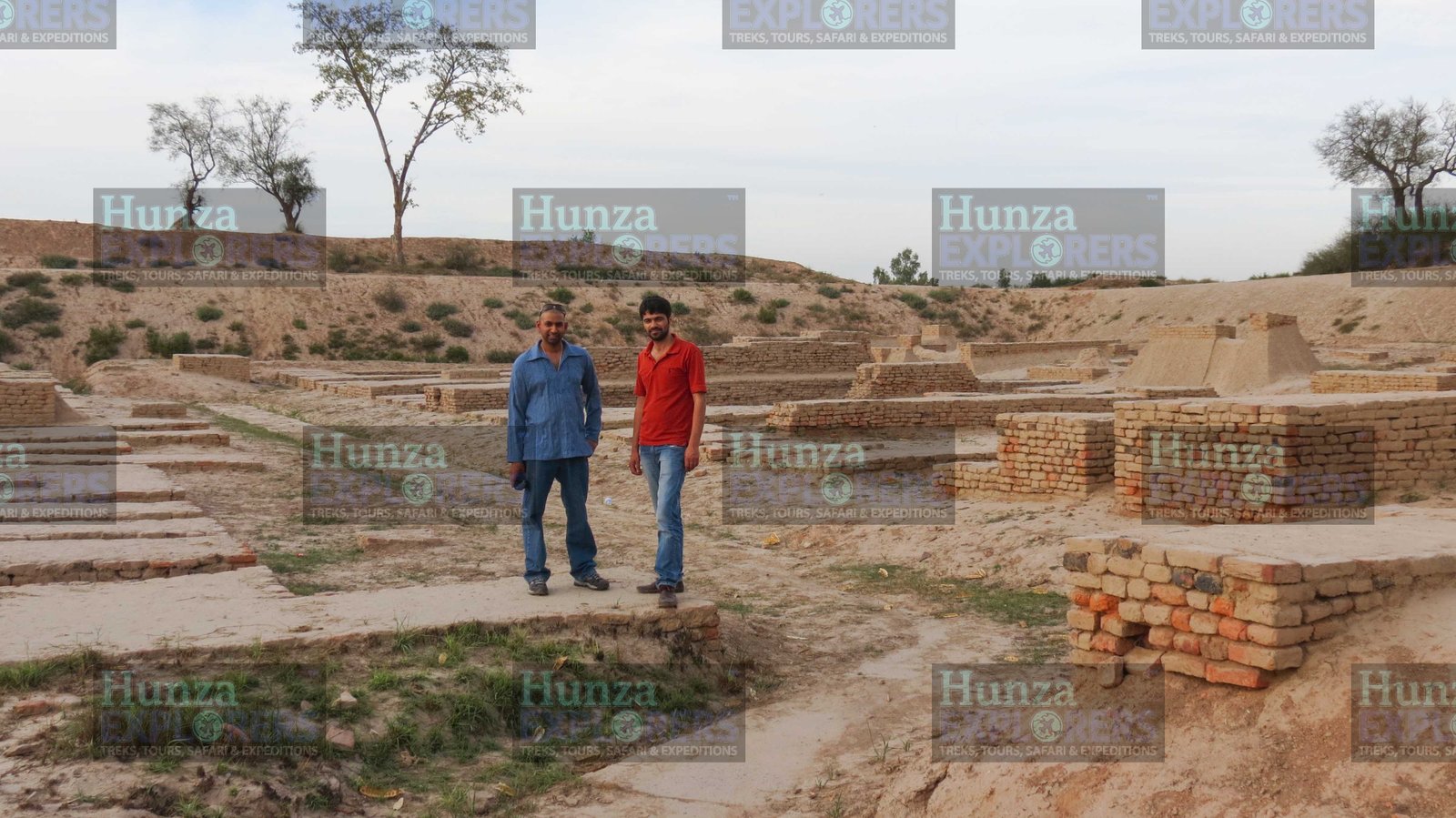
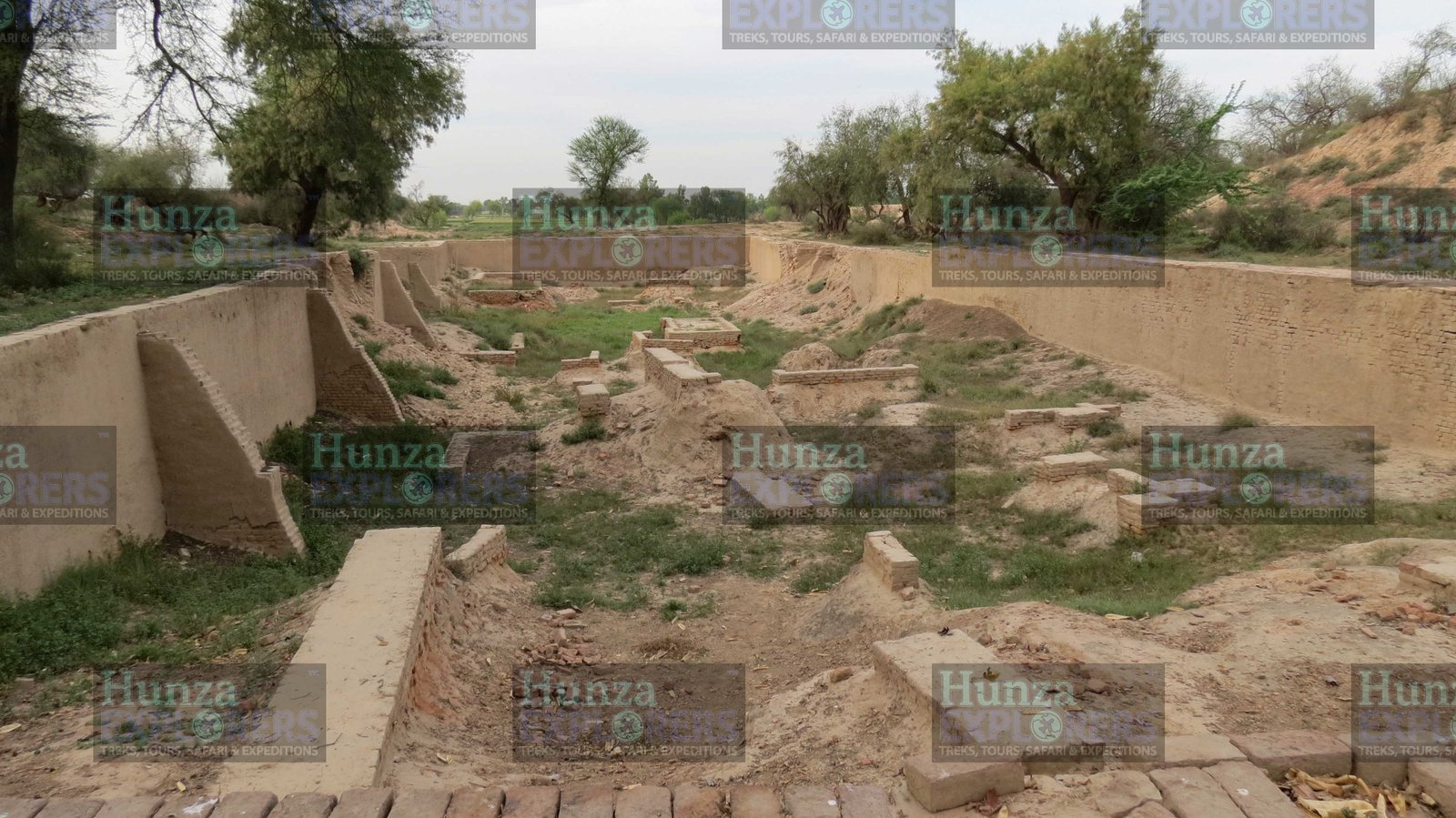
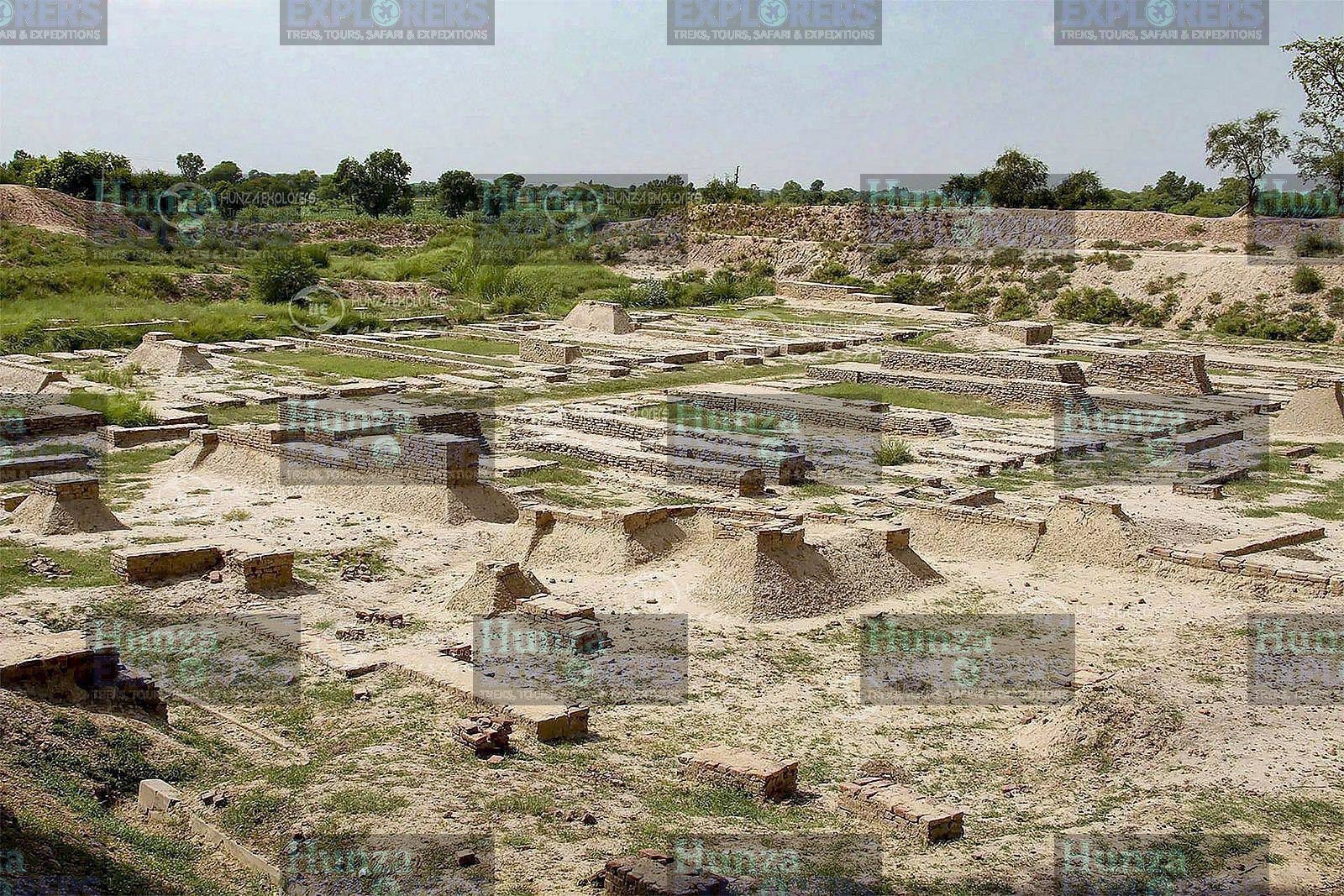
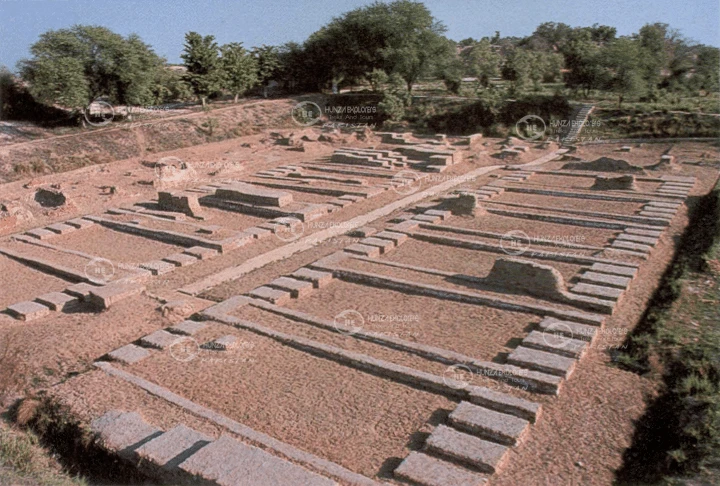
Covering approximately 150 hectares, the archaeological site of Harappa consists of eight major mounds and two cemeteries, preserving evidence of continuous occupation over many centuries. Excavations have revealed well-planned streets, residential neighbourhoods, workshops, granaries, fortifications, and public structures that demonstrate an extraordinary level of social organisation and architectural skill.
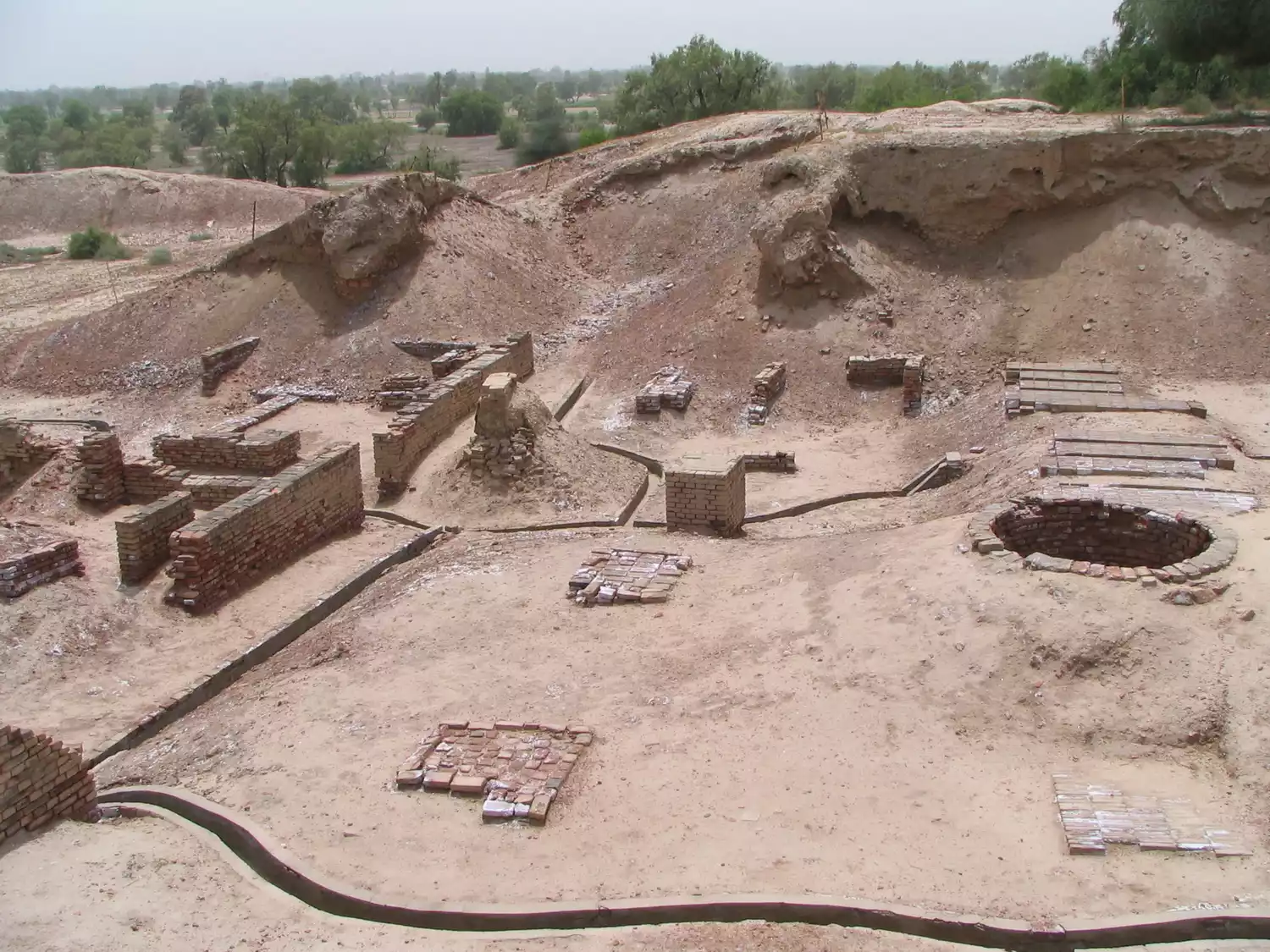
Visitors will explore the excavated remains on Mound AB and Mound F, where ancient brick structures, streets, drainage systems, and defensive walls provide a fascinating insight into everyday life in one of the world's earliest planned cities. Every section of the site tells a story of innovation, craftsmanship, commerce, and urban development that continues to captivate archaeologists and historians today.
The experience is further enhanced by a visit to the excellent Harappa Museum, where carefully curated galleries display original artefacts recovered during decades of archaeological excavations. Admire beautifully crafted pottery, seals bearing the mysterious Indus script, jewellery, terracotta figurines, tools, beads, ornaments, and everyday household objects that offer valuable insights into Harappan society.
Beyond the Bronze Age remains, Harappa also preserves traces of later historical periods. Visitors can explore the remains of a Gupta-period temple, the foundations of a Mughal serai, and evidence of continuous human activity that illustrates how this remarkable site remained significant for thousands of years after the decline of the Indus Valley Civilisation.
A Journey Through Pakistan's Archaeological Heritage
The Harappa Heritage Tour is more than a visit to an archaeological site; it is a journey through one of humanity's earliest chapters of civilisation. Walking through the excavated ruins allows visitors to appreciate the remarkable sophistication achieved by the Harappan people long before many other great civilisations emerged.
The layout of Harappa reflects an advanced understanding of urban planning, with carefully organised streets, standardised fired-brick buildings, drainage systems, wells, storage facilities, and public spaces. These innovations demonstrate a highly organised society that valued cleanliness, engineering, commerce, and efficient city management.
Throughout the tour, expert interpretation brings the archaeological remains to life, explaining the development of Harappa from its earliest settlement phases through its mature urban period and eventual transformation during the Late Harappan Phase. Visitors gain a deeper understanding of how archaeological discoveries have shaped our knowledge of prehistoric South Asia and the continuing importance of Harappa in global archaeology.
The surrounding research facilities established by the Harappa Archaeological Research Project continue to support international archaeological studies, helping preserve and interpret one of Pakistan's most significant cultural treasures for future generations.
Whether you are passionate about archaeology, fascinated by ancient history, or simply seeking a unique cultural experience, the Harappa Heritage Tour offers an unforgettable opportunity to stand where one of the world's earliest urban civilisations flourished more than four millennia ago. Rich in history, culture, and discovery, this journey provides an inspiring insight into the remarkable achievements of the people who built one of humanity's greatest ancient civilisations.
Why You'll Love This Tour
The Harappa
Heritage Tour offers a fascinating journey into one of the world's earliest urban civilisations, making it an unforgettable experience for anyone interested in archaeology, history, and culture. Unlike conventional sightseeing tours, this experience allows you to walk through the remains of a city that flourished over 4,500 years ago and discover how one of humanity's greatest civilisations shaped the development of urban life.
Explore the remarkable archaeological remains of
Harappa, visit the outstanding
Harappa Museum, and gain a deeper understanding of the
Indus Valley Civilisation through its ancient streets, sophisticated drainage systems, granaries, residential quarters, and beautifully preserved artefacts. Every stop reveals another chapter in the story of a civilisation renowned for its engineering, craftsmanship, trade, and urban planning.
The tour is ideal for history enthusiasts, students, families, researchers, photographers, and cultural travellers seeking an authentic educational experience beyond Pakistan's better-known natural attractions. With expert guidance, realistic pacing, and carefully planned sightseeing, visitors can fully appreciate both the archaeological significance and the enduring legacy of one of South Asia's most important heritage sites.
Whether you are exploring
Pakistan's rich cultural heritage for the first time or adding another remarkable destination to your archaeological journey, the
Harappa Heritage Tour provides a unique opportunity to connect with one of the greatest achievements of the ancient world.