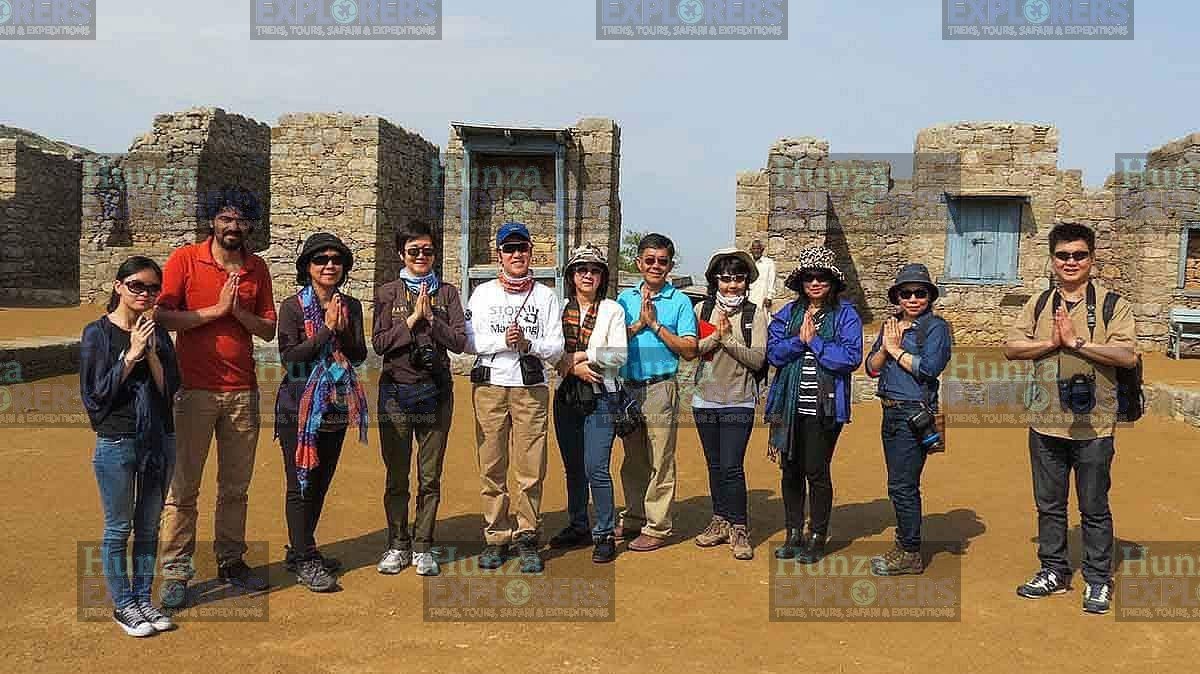
Pakistan Buddhist Pilgrimage Tour – A Journey Through Sacred Heritage
The Pakistan Buddhist Pilgrimage Tour is a deeply meaningful cultural and historical journey curated by Hunza Explorers, designed for travelers who wish to trace the ancient spiritual roots of Buddhism in South Asia. This immersive experience unveils the forgotten yet powerful legacy of Buddhism that once flourished across the lands of present-day Pakistan, dating back more than 2,300 years to the era of the Mauryan Empire under King Ashoka the Great.
During Ashoka’s reign, Buddhism spread widely across the subcontinent, and regions that now form Pakistan became vital centers of learning, meditation, and artistic expression. Over centuries, these lands witnessed the rise of great Buddhist monasteries, stupas, and rock carvings that still stand today as silent witnesses to a rich spiritual past. This pilgrimage tour is not just a journey through landscapes, but a passage through time, offering travelers a rare opportunity to connect with one of the world’s oldest philosophical traditions.
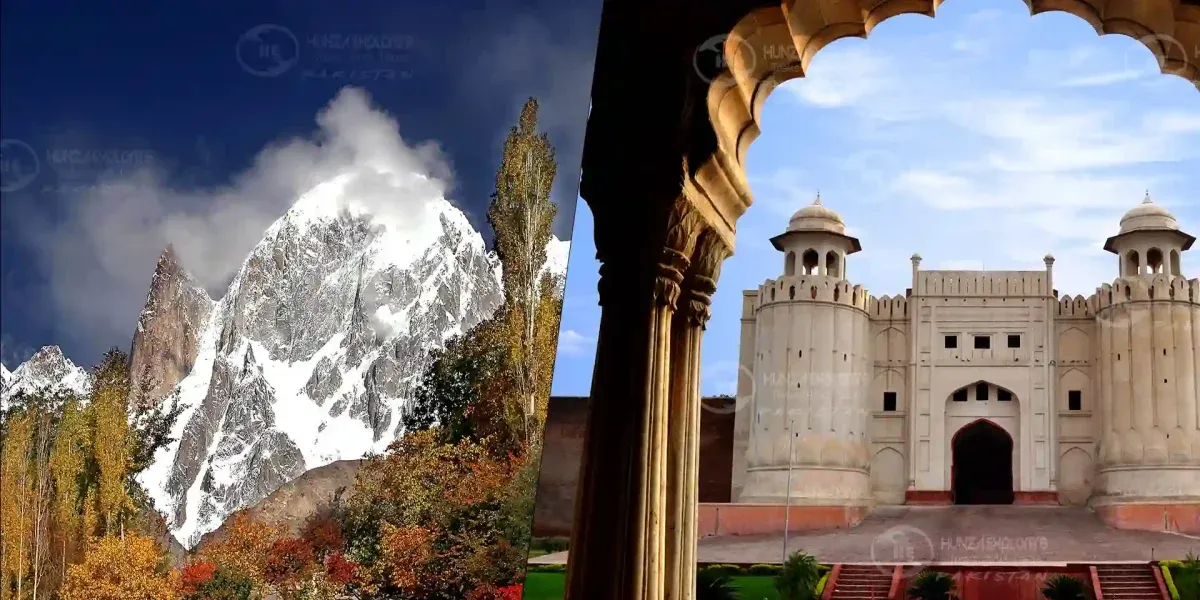
The experience focuses on two major historical regions: Gandhara Civilization and Gilgit Baltistan Buddhist heritage sites, each offering unique insights into the evolution of Buddhist art, architecture, and cultural exchange.
Gandhara Civilization – The Cradle of Buddhist Art
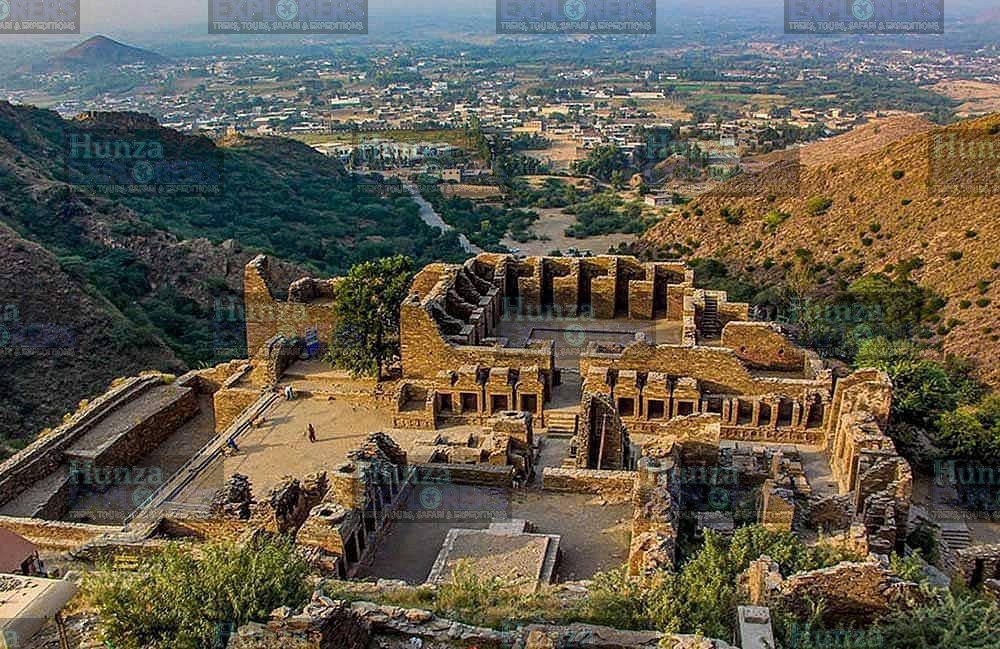
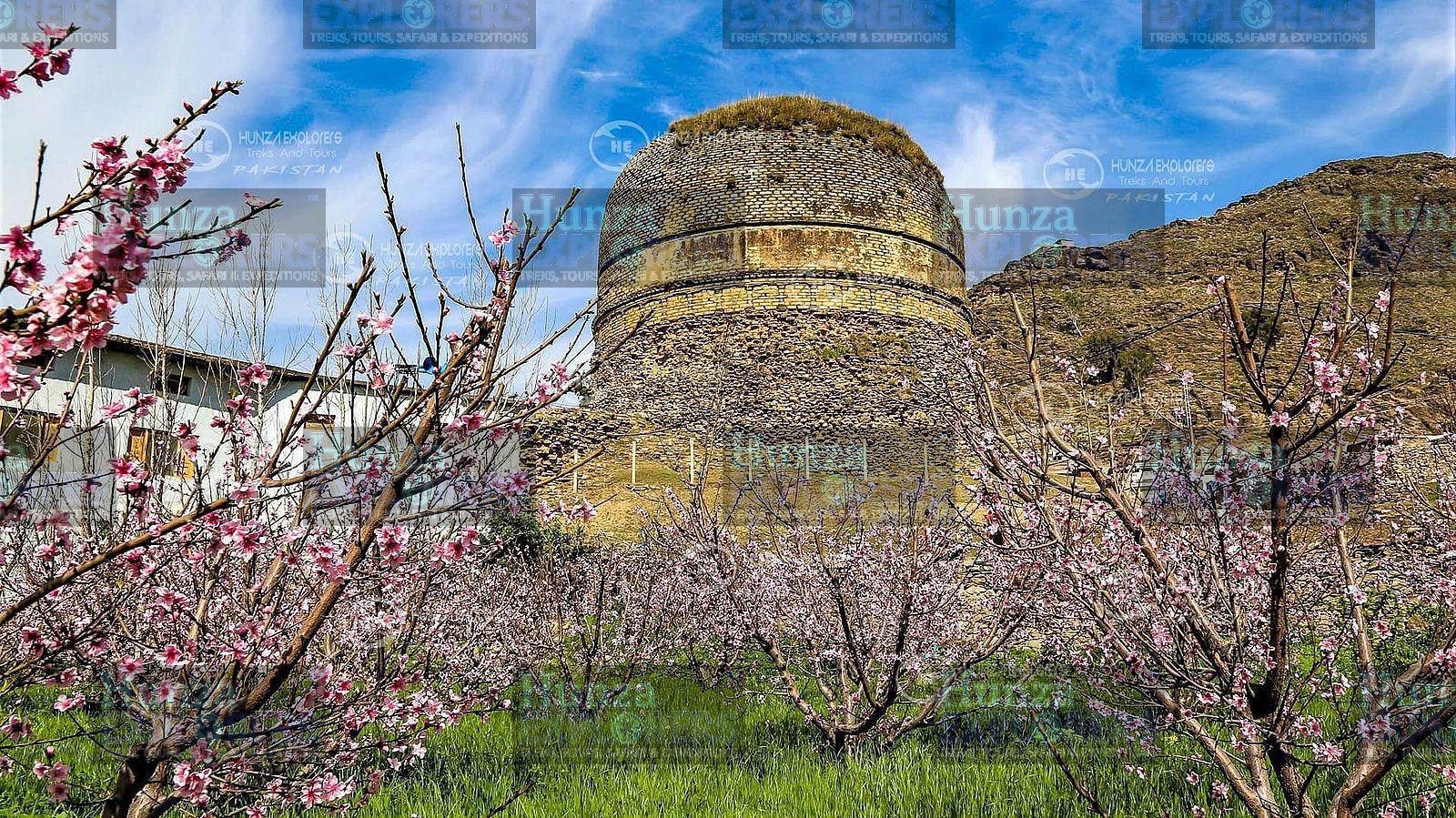
The journey begins in the legendary region of Gandhara, located in present-day southern Khyber Pakhtunkhwa. This ancient civilization became one of the most important centers of Buddhist learning and artistic development in the world. The region is especially known for its unique blend of Greco-Buddhist art, where Hellenistic influences merged with Buddhist traditions, creating sculptures and carvings that are admired globally.
Key stops include the historic landscapes of the Swat Valley, once a flourishing tributary kingdom of Gandhara. This valley is often referred to as the cradle of Buddhist civilization in the region, where scholars, monks, and artists shaped the spiritual identity of early Buddhism. Sites associated with ancient scholars such as Kumaralabdha highlight the intellectual depth that once thrived here.
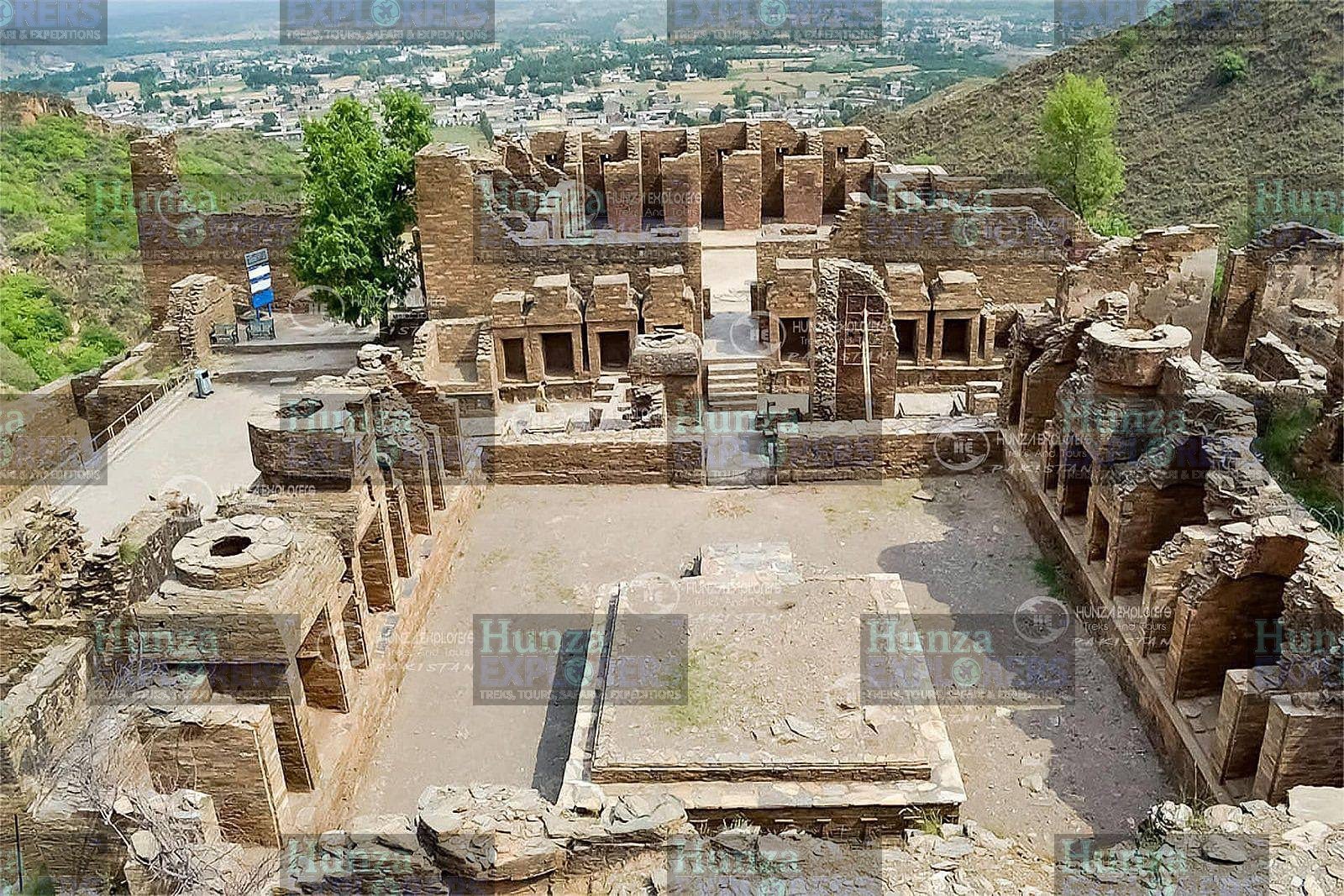
Travelers will explore ancient monastic ruins, stupas, and archaeological sites that reflect the golden age of Buddhist philosophy. The serene natural surroundings of Swat Valley enhance the spiritual atmosphere, making it a powerful starting point for this pilgrimage journey.
Swat Valley – A Living Museum of Buddhist Civilization
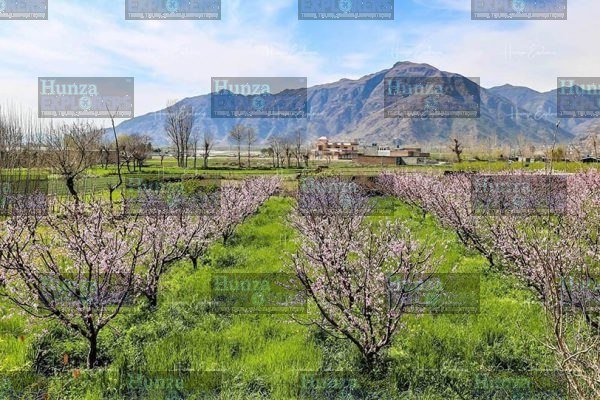
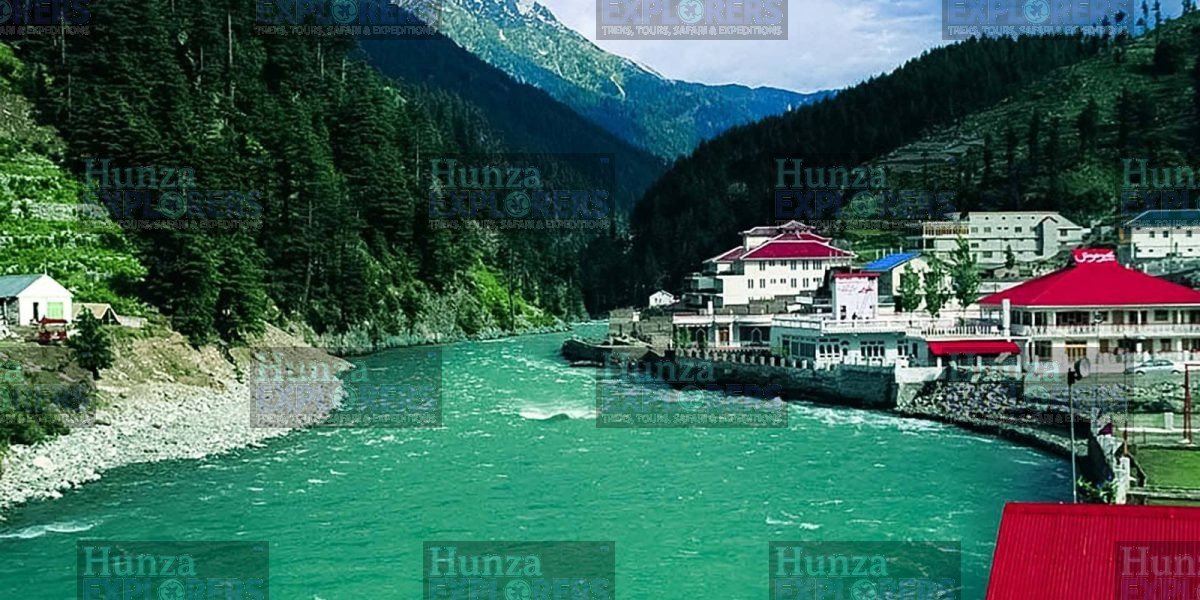
The Swat Valley serves as one of the most important regions in the Gandhara Buddhist heritage tour. Often referred to as the “Switzerland of the East,” this valley not only offers breathtaking natural beauty but also holds immense archaeological significance.
Here, travelers can witness remnants of ancient monasteries, meditation caves, and stupas that once served as centers of Buddhist teaching. The valley reflects a harmonious blend of nature and history, where every mountain and river seems to echo the presence of ancient monks who once walked these lands in search of enlightenment.
Gilgit Baltistan – The Hidden Buddhist Frontier
The journey continues northward into the breathtaking landscapes of Gilgit Baltistan, a region where Buddhism once thrived alongside indigenous traditions such as the Bon religion. From the late 7th century onward, this remote mountain region became an important corridor for Buddhist monks traveling along the ancient Silk Route.
Despite its challenging terrain, Gilgit Baltistan Buddhist heritage sites reveal a surprising depth of spiritual history. The region served as a crucial link between Central Asia, China, and the Indian subcontinent, allowing Buddhist teachings and art to spread across vast distances.
Sacred Rock Carvings and Ancient Monuments
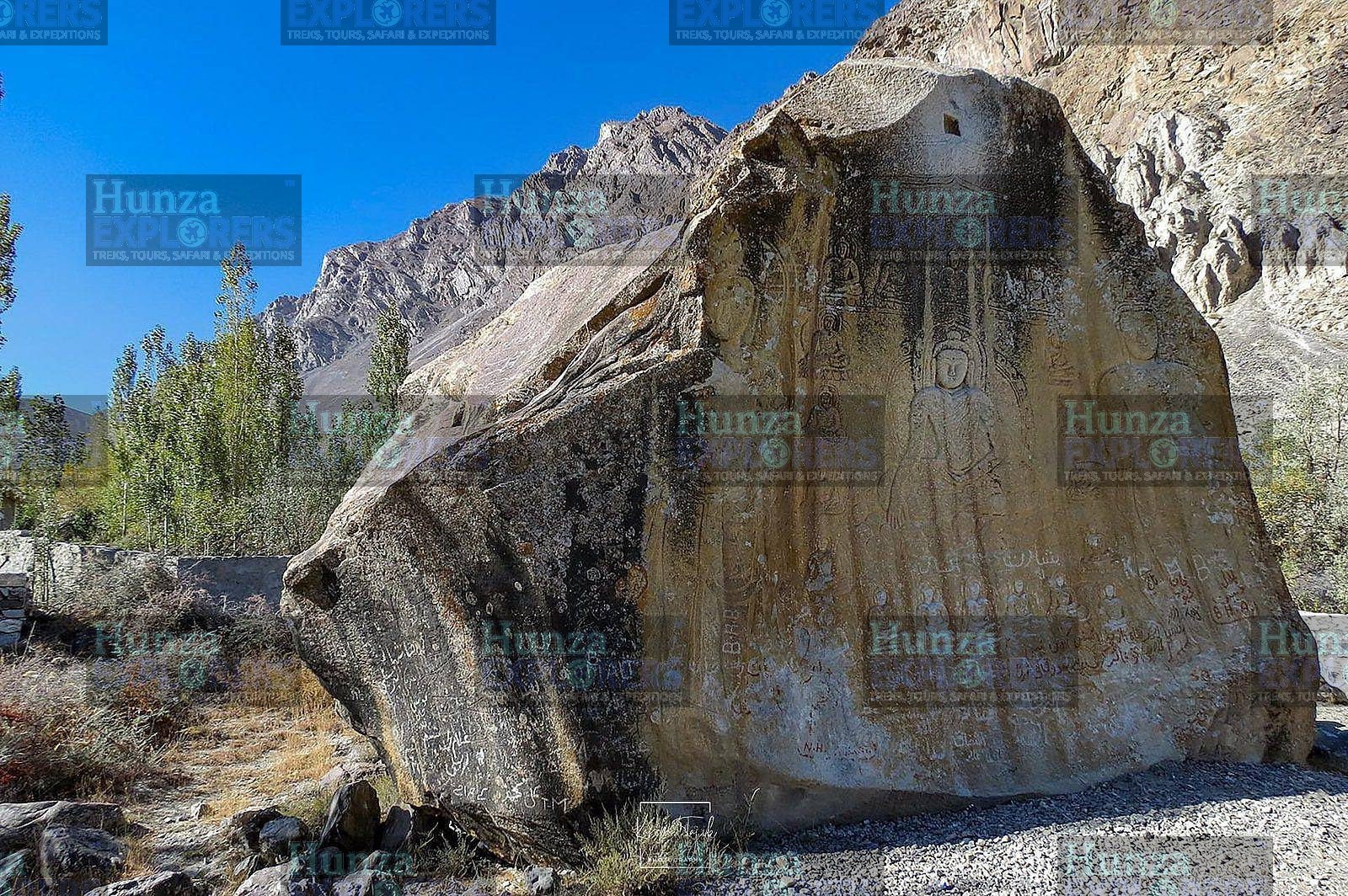
One of the most significant highlights of the pilgrimage is the visit to the Manthal Buddha Rock, located near Skardu Valley. This massive rock carving depicts Lord Buddha in a meditative posture, symbolizing peace and enlightenment. It stands as one of the most important relics of Buddhist presence in the northern regions of Pakistan.
Another remarkable site is the Sacred Rock of Hunza, situated along the ancient Silk Route. This historical carving reflects the deep cultural and spiritual exchange that once took place in the region. These rock inscriptions and carvings are among the most powerful visual reminders of Buddhism’s historical reach in the high mountains of Gilgit Baltistan.
Cultural Transition and Historical Legacy
Over time, with the arrival of Islam in the region, Buddhism gradually declined as the dominant religion. However, its cultural and artistic influence remains deeply embedded in Pakistan’s historical identity. Many archaeological remains, carvings, and ruins continue to tell the story of a civilization that once flourished in harmony with the mountains and valleys.
This pilgrimage tour allows travelers to reconnect with this forgotten heritage, offering a deeper understanding of how Buddhism shaped art, philosophy, and trade routes across South Asia.
Spiritual and Cultural Journey Experience
The Pakistan Buddhist Pilgrimage Tour is not just an archaeological journey but also a reflective and spiritual experience. Travelers move through ancient landscapes where silence, mountains, and history come together to create a deeply peaceful atmosphere.
From the green valleys of Swat to the dramatic peaks of Gilgit Baltistan, every location offers a unique window into the past. The journey encourages mindfulness, cultural appreciation, and historical curiosity, making it ideal for travelers interested in heritage tourism, spiritual exploration, and cultural discovery.
Why Choose Hunza Explorers
Choosing Hunza Explorers ensures a professionally guided and thoughtfully curated pilgrimage experience. Our expert guides provide authentic historical insights, local cultural context, and seamless travel arrangements throughout the journey.
We focus on delivering a meaningful travel experience that combines comfort, education, and authenticity. Every site is carefully selected to reflect the true essence of Pakistan’s Buddhist heritage, ensuring travelers gain a comprehensive understanding of this ancient civilization.