Peshawar City Tour – Discover the Ancient Gateway of Civilizations
A Timeless Journey Through South Asia’s Living Heritage City
The Peshawar City Tour Pakistan with Hunza Explorers introduces travelers to one of South Asia’s oldest continuously inhabited cities, where history, culture, and living traditions come together in a deeply immersive travel experience. Located in Khyber Pakhtunkhwa, near the historic Khyber Pass, Peshawar has served for centuries as a strategic gateway between Central Asia and the Indian subcontinent. This position shaped its identity as a major center of trade, cultural exchange, and historical transformation.
With a recorded history of more than 2,500 years, Peshawar was historically known as Purushpura and rose to prominence during the Kushan Empire as a thriving center of learning, religion, and commerce. Over centuries, it witnessed the rise and fall of major civilizations including the Hindu Shahis, Ghaznavids, Mughals, Durrani Empire, Sikh Empire, and later the British Raj. Each era left behind architectural, cultural, and social influences that continue to define the city’s unique identity today.
Ancient Origins and Continuous Civilizations
Peshawar is among the oldest living cities in South Asia, with uninterrupted human settlement spanning over two millennia. Its geographic position made it a natural gateway linking Central Asia with South Asia, attracting traders, scholars, soldiers, and travelers throughout history.
This long continuity of civilizations has created a deeply layered cultural environment where ancient traditions still exist within modern urban life. The city’s streets, markets, and neighborhoods reflect a blend of historical eras, making Peshawar a living museum of South Asian heritage.
Silk Road Heritage and Strategic Trade Importance
Historically, Peshawar played a vital role on the ancient Silk Road network. It functioned as a major trading hub where caravans passed through carrying spices, textiles, gemstones, and cultural knowledge between regions.
This constant exchange of goods and ideas transformed Peshawar into one of the most diverse cultural centers in the region. Even today, this heritage remains visible in its bustling bazaars, traditional crafts, and rich culinary traditions, all of which continue to reflect centuries of cross-cultural interaction.
Qissa Khwani Bazaar – The Living Cultural Heart
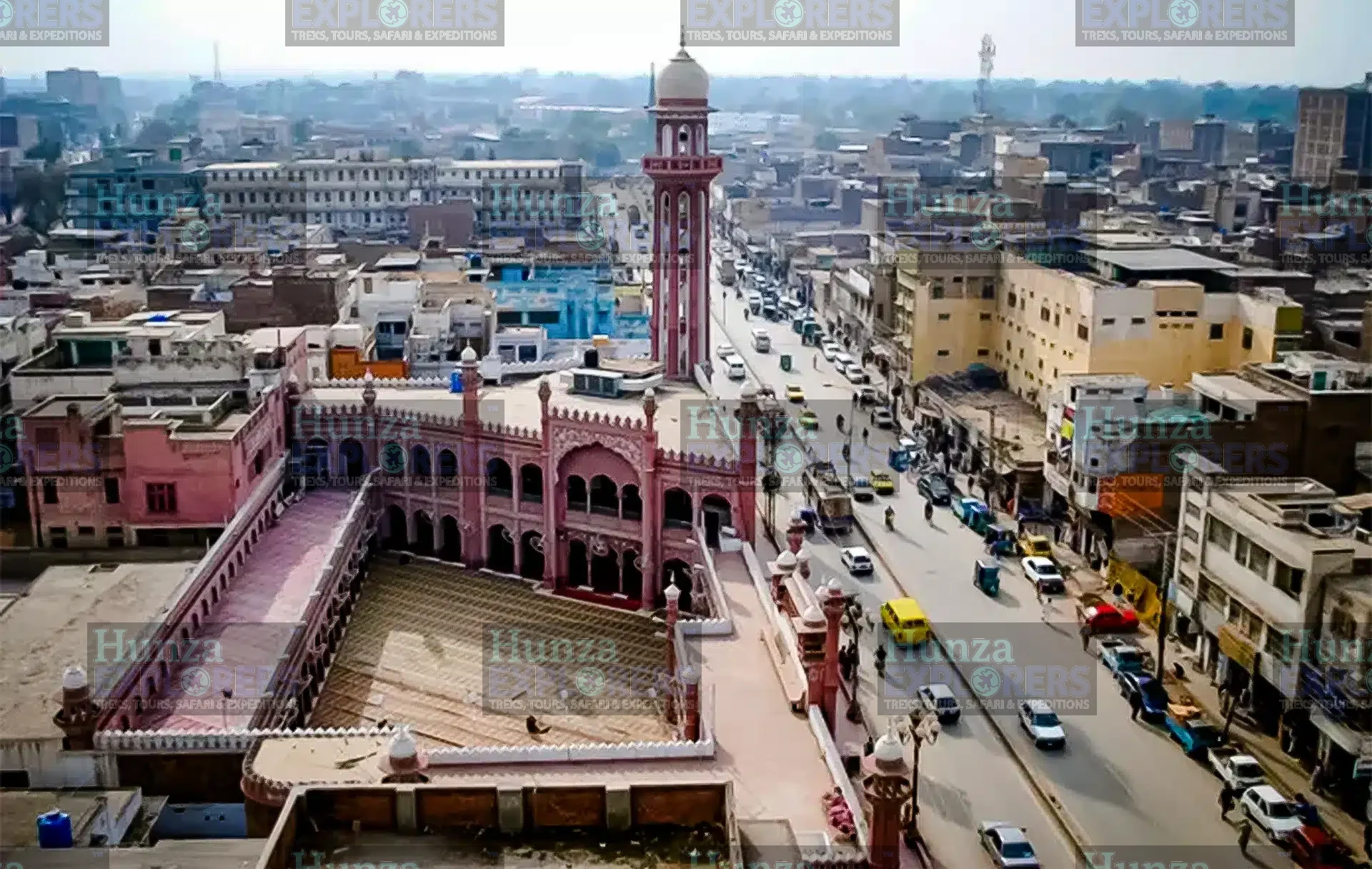
One of the most iconic highlights of the Peshawar City Tour Pakistan is Qissa Khwani Bazaar, famously known as the “Street of Storytellers.” In ancient times, it served as a resting place for Silk Road travelers, merchants, and caravans who gathered in traditional tea houses to share stories, conduct trade, and exchange news from distant lands.
Today, Qissa Khwani Bazaar remains one of the most vibrant and culturally rich markets in Peshawar. It is filled with traditional shops, spice vendors, dry fruit stalls, handicrafts, and street food, offering an authentic glimpse into the daily life and heritage of the city.
The Peshawar Museum is one of the most significant cultural institutions in Pakistan, housing an extraordinary collection of Gandhara civilization artifacts. These include ancient Buddhist sculptures, coins, manuscripts, and relics that highlight the region’s importance as a center of spiritual learning and artistic development.
The museum provides valuable insight into the historical significance of the Peshawar Valley, particularly during the Kushan period when Buddhism flourished across the region and influenced art and architecture across Asia.
Bala Hisar Fort – Strategic Military Landmark
Overlooking the city, Bala Hisar Fort stands as one of the most important historical fortifications in Peshawar. Built on a strategic elevation, it has served as a defensive stronghold under multiple empires due to its commanding position over trade routes and surrounding plains.
From the fort, visitors can enjoy panoramic views of Peshawar City, gaining a deeper understanding of its historical role as a military, political, and administrative center.
Mohabbat Khan Mosque – Mughal Architectural Excellence
Built in the 17th century during the Mughal era, the Mohabbat Khan Mosque is one of the finest examples of Islamic architecture in Peshawar. Its white marble structure, intricate floral frescoes, and beautifully designed courtyard reflect the artistic excellence of Mughal craftsmanship.
The mosque remains an active place of worship and continues to serve as one of the most important religious and cultural landmarks in the city.
Sethi House – Merchant Heritage and Cultural Legacy
The beautifully preserved Sethi House reflects the lifestyle of wealthy merchant families in 19th-century Peshawar. Its detailed wooden carvings, ornamental ceilings, and Central Asian architectural influences demonstrate the city’s historical trade connections across Afghanistan, Central Asia, and South Asia.
This heritage structure offers a rare glimpse into the social and cultural life of Peshawar’s historic merchant class.
Culture, Cuisine, and Living Traditions
Beyond its historical monuments, Peshawar offers a deeply cultural experience shaped by its people, traditions, and hospitality. The city is widely known for its strong Pashtun identity and welcoming atmosphere.
Visitors can enjoy authentic local cuisine such as Chapli Kebab, traditional naan, and rich tea culture, all of which reflect the culinary heritage of the region. The bazaars and streets of Peshawar offer an immersive experience where everyday life continues much as it has for centuries.
Modern Peshawar and Urban Transformation
Today, Peshawar is a rapidly developing urban center where modern infrastructure exists alongside preserved historical sites. New roads, educational institutions, and commercial developments are reshaping the city, while its historic core continues to preserve its cultural identity.
This combination of ancient heritage and modern growth makes Peshawar a unique travel destination where past and present coexist in harmony.
A Living Cultural Journey
The Peshawar City Tour Pakistan is more than a sightseeing experience. It is a cultural journey through time, where travelers explore centuries of history still visible in everyday life. From Silk Road heritage to Mughal architecture and Gandhara civilization, Peshawar offers one of the richest historical and cultural experiences in South Asia.
For travelers seeking authenticity, cultural depth, and historical insight, this journey reveals the true essence of one of Pakistan’s most iconic cities.