Rohtas Fort Tour – Discover Pakistan’s Legendary UNESCO Fortress
A Timeless Journey into the Heart of Medieval Pakistan
The magnificent Rohtas Fort stands as one of the most remarkable architectural and military achievements in South Asia. Located near Jhelum in the province of Punjab, this colossal 16th-century fortress is one of the six UNESCO World Heritage Sites in Pakistan and remains a symbol of strength, strategy, and artistic brilliance. Built under the orders of the Afghan ruler Sher Shah Suri in 1541, Rohtas Fort was designed to secure the region against the forces of the Mughal Emperor Humayun and to maintain control over the strategic routes connecting northern India with the northwest frontiers.
A journey to Rohtas Fort with Hunza Explorers is not simply a sightseeing excursion; it is an immersive cultural and historical experience that transports travelers back into the golden era of medieval Islamic military architecture. The fort’s immense stone walls, gigantic gateways, watchtowers, bastions, and hidden passages reveal stories of conquest, defense, and royal ambition that shaped the history of the subcontinent.
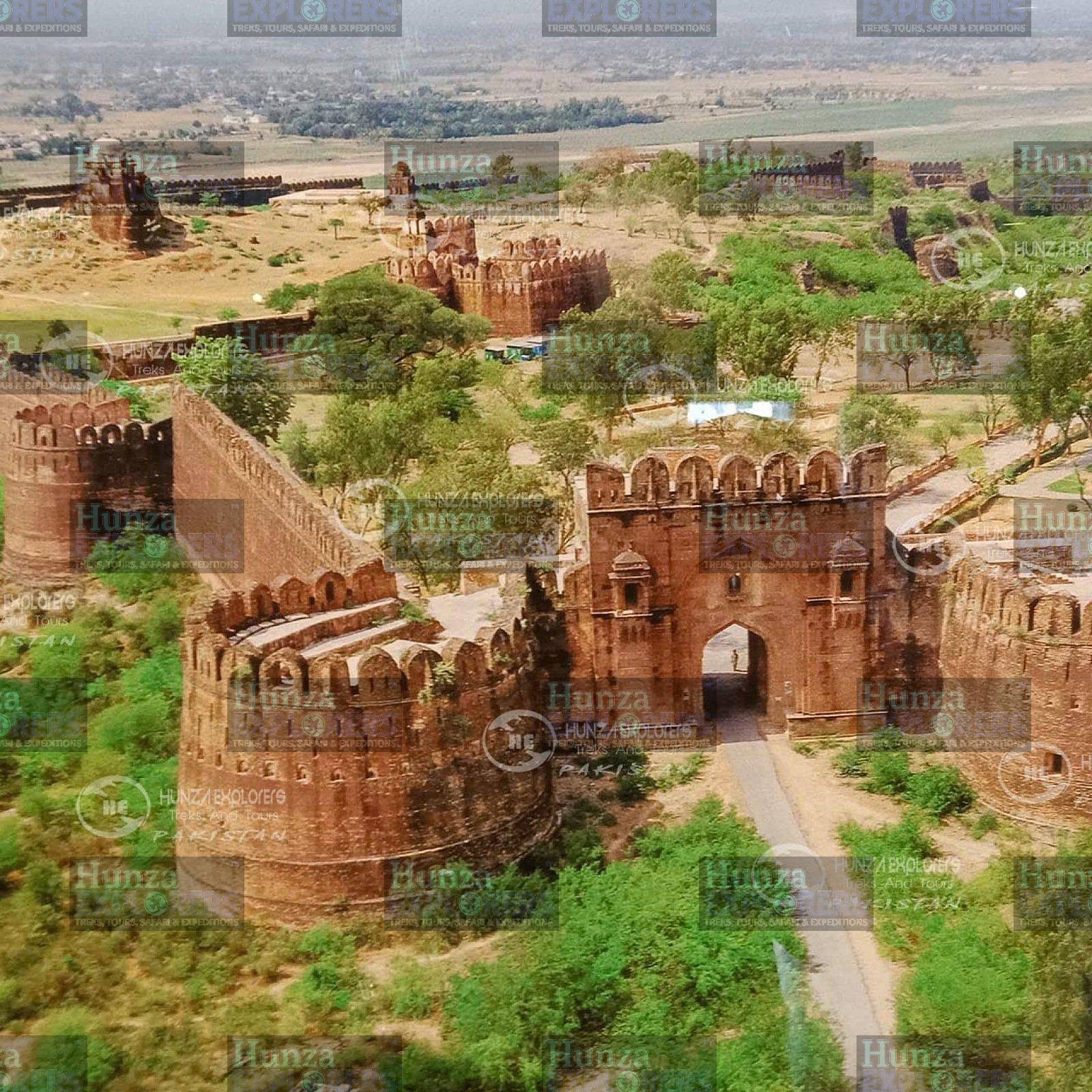
Spread over nearly 70 hectares, Rohtas Fort is among the largest forts in South Asia. The fortress combines Afghan, Persian, and early Mughal architectural styles, creating a unique blend rarely seen elsewhere in the region. Massive defensive walls stretching over four kilometers, fortified gates, deep wells, and strategic hilltop positioning reflect the advanced military engineering techniques of the 16th century.
Rohtas Fort remains one of the most important historical places in Punjab Pakistan and is widely recognized among the top UNESCO World Heritage Sites Pakistan. Travelers interested in Rohtas Fort history and authentic cultural tours in Pakistan will find this extraordinary fortress a perfect destination for exploring the architectural and military heritage of the subcontinent.
The Architectural Grandeur of Rohtas Fort
One of the most striking features of Rohtas Fort is its extraordinary defensive architecture. Unlike many forts built primarily as royal residences, Rohtas Fort was constructed as a purely military stronghold. Every section of the fort was strategically planned to resist invasions and withstand attacks during the era of gunpowder warfare.
The Monumental Gates of the Fort
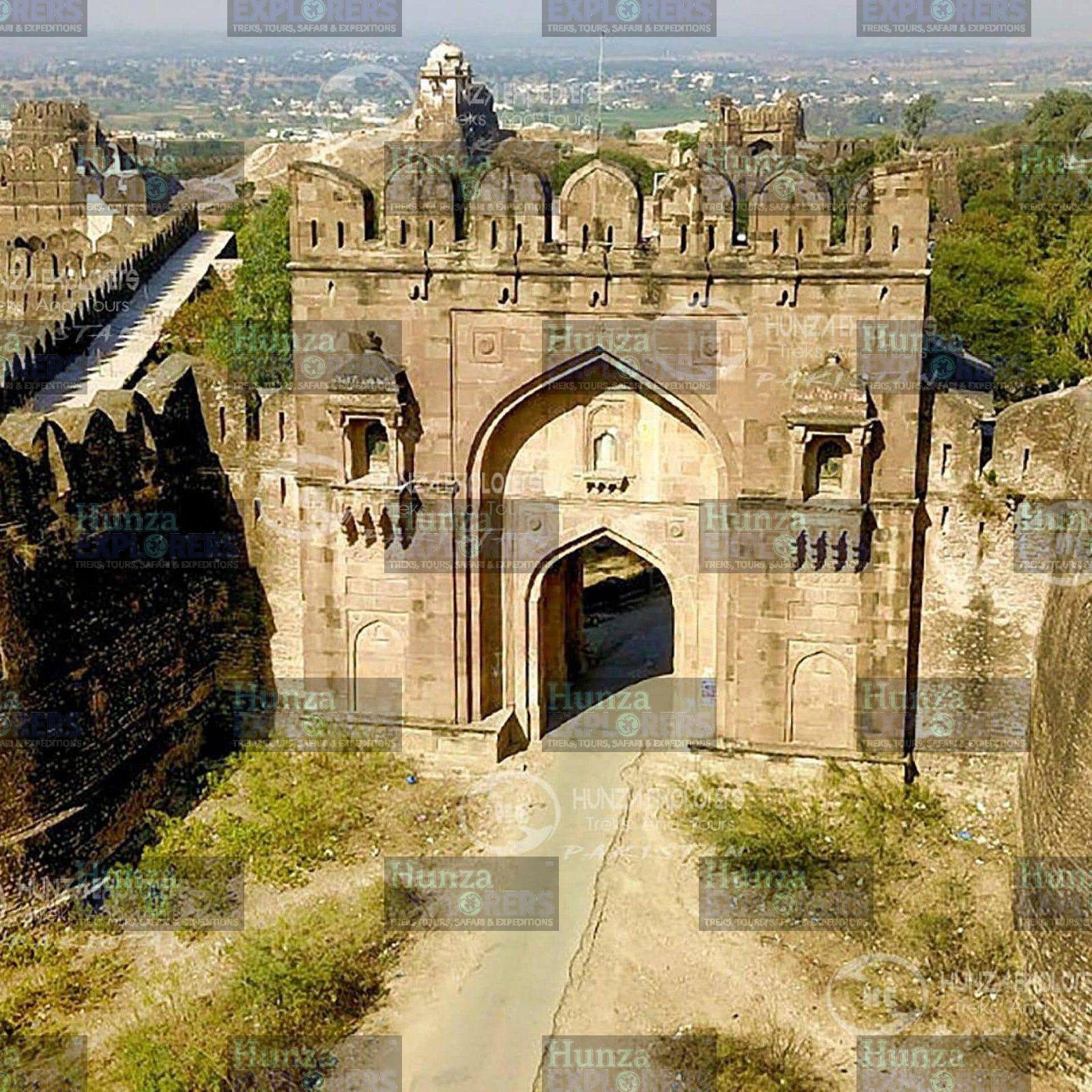
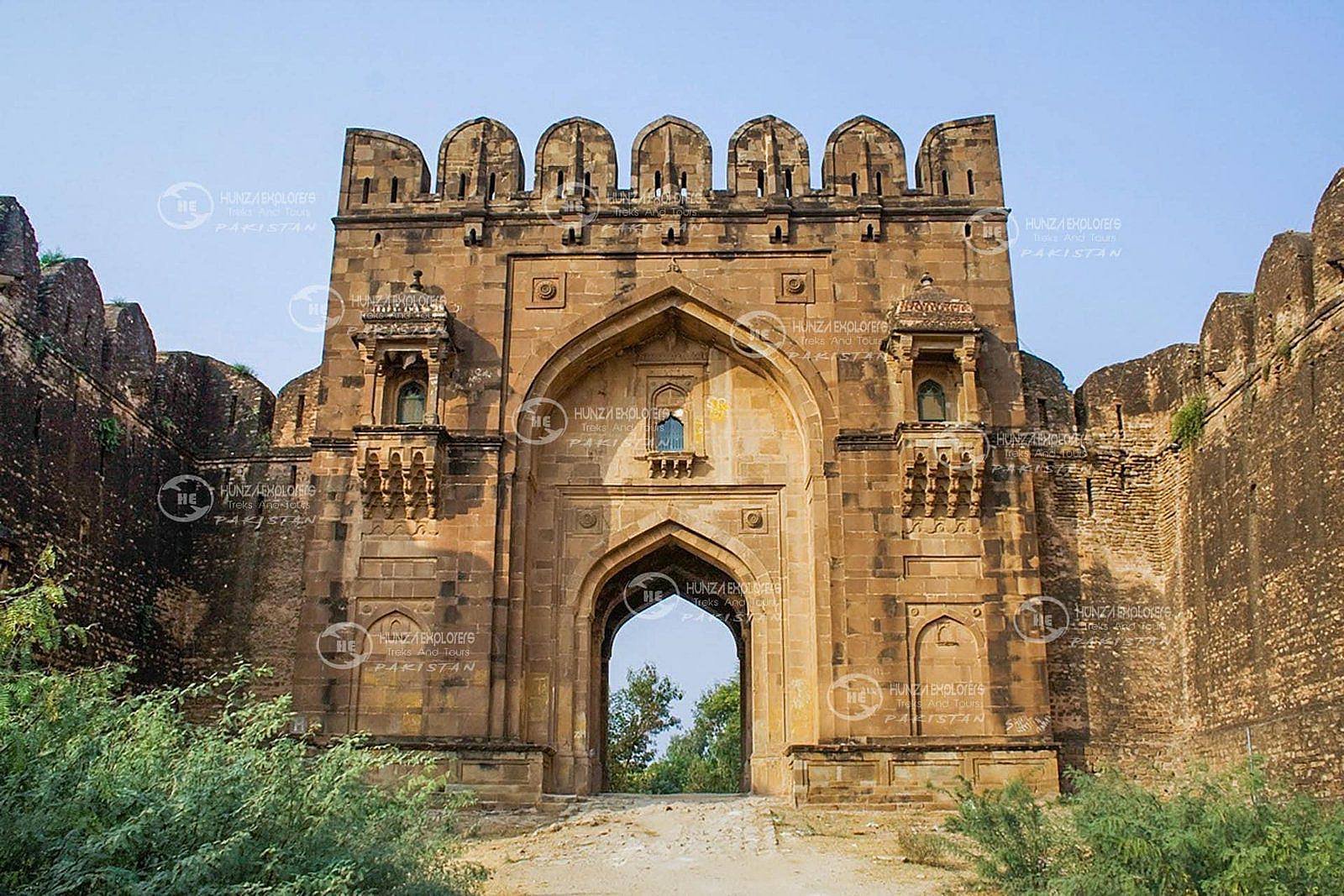
The fort contains 12 magnificent gateways, each carrying its own architectural identity and historical significance. Among the most famous are Sohail Gate, Kabuli Gate, Langar Khani Gate, and Shishi Gate. These gateways feature elaborate carvings, decorative stonework, and inscriptions reflecting the artistic influences of Persian and Afghan craftsmanship.
The impressive Sohail Gate is often regarded as the ceremonial entrance of the fort and remains one of the best-preserved examples of medieval military architecture in Pakistan. Built with sandstone and decorated with balconies and ornamental windows, it perfectly demonstrates the grandeur of the fortress.
Bastions, Walls, and Defensive Design
The gigantic walls of Rohtas Fort rise dramatically over the rugged terrain surrounding the site. Built with massive stone blocks, these walls were specifically designed to repel attacks involving cannons and artillery, marking a significant shift in military engineering during the 16th century.
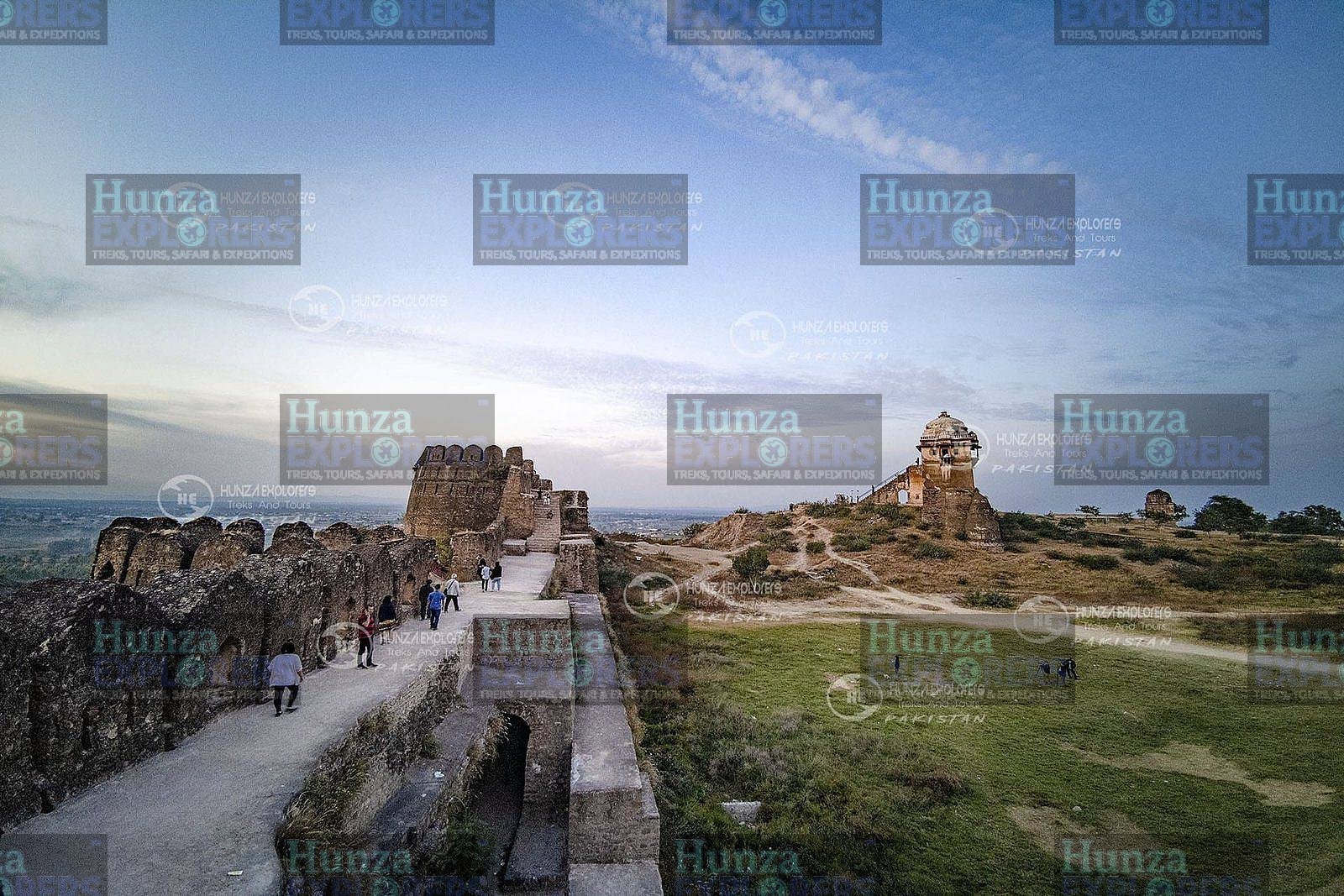
The fort contains 68 bastions strategically positioned to provide defensive coverage from all directions. Walking along these ancient walls offers breathtaking views of the surrounding hills and countryside, allowing visitors to appreciate the strategic importance of the fortress location.
Exploring the Historical Treasures Inside the Fort
Inside the fort complex, travelers can explore numerous historical structures that showcase both functionality and artistic beauty.
Shahi Masjid
The elegant Shahi Masjid inside Rohtas Fort is a small but beautifully designed mosque built for the royal garrison. Despite its relatively simple layout, the mosque displays refined Islamic architectural details and remains one of the most photographed structures inside the fort.
Haveli Man Singh
Another fascinating structure within the fort is Haveli Man Singh, a palace-like residence added during the Mughal period. Perched on one of the highest points of the fort, this haveli offers panoramic views of the surrounding landscape and reflects the later Mughal influence on the site.
Ancient Baolis and Water Systems
The fort also contains several historic baolis (stepped wells) that provided water to soldiers, horses, and residents during times of siege. These sophisticated water systems demonstrate the engineering intelligence of the builders and the self-sufficient design of the fortress.
UNESCO World Heritage Significance
In 1997, Rohtas Fort was officially designated as a UNESCO World Heritage Site due to its outstanding universal value and exceptional preservation of Islamic military architecture. UNESCO recognized the fort as an extraordinary example of early Muslim military engineering in Central and South Asia.
Today, the fort continues to attract historians, architects, photographers, students, and travelers from around the world. Its historical authenticity, monumental scale, and dramatic atmosphere make it one of the most rewarding cultural destinations in Pakistan.
Cultural Experience Around Rohtas Fort
The journey to Rohtas Fort also offers opportunities to experience the rich cultural landscapes of Punjab. Travelers pass through traditional villages, fertile farmlands, and historic towns that showcase the diversity and hospitality of the region.
The nearby city of Jhelum provides additional cultural experiences, including local cuisine, bustling bazaars, and glimpses into everyday Punjabi life. Combined with the fort visit, the journey becomes a meaningful exploration of Pakistan’s historical and cultural heritage.
Photography and Travel Experience
For photographers and heritage lovers, Rohtas Fort offers endless opportunities to capture dramatic architecture and atmospheric landscapes. The interplay of sunlight on the sandstone walls, the intricate carvings on the gates, and the panoramic hilltop scenery create unforgettable visual experiences throughout the day.
Sunrise and late afternoon are particularly magical times to explore the fort, when golden light illuminates the ancient walls and enhances the textures of the centuries-old stonework.
Why Travel with Hunza Explorers
At Hunza Explorers, we believe heritage travel should go beyond simple sightseeing. Our team focuses on creating meaningful cultural experiences with professional planning, experienced guides, and authentic local knowledge.
Our tours to Rohtas Fort are carefully designed to combine history, architecture, culture, and comfort, ensuring travelers enjoy both educational insight and memorable travel experiences. Whether you are a heritage enthusiast, photographer, student, or cultural traveler, our team ensures a smooth and enriching journey through one of Pakistan’s most iconic UNESCO landmarks.
With our deep understanding of tourism across Pakistan and our commitment to responsible travel, Hunza Explorers proudly offers authentic experiences that connect travelers with the true spirit of the country.