Silk Road Explorers Tour – Kashgar to Islamabad Journey via Karakoram Highway
The Silk Road Explorers Tour by Hunza Explorers is a once in a lifetime overland journey that follows the most dramatic and historic mountain section of the ancient Silk Road, connecting Kashgar in China with Islamabad in Pakistan. This route travels through the heart of the Karakoram Mountain Range, crossing some of the highest roads, deepest valleys, and most breathtaking landscapes in the world.
This journey is not a simple transfer between two countries. It is a living expedition through geography, culture, and history. Travelers follow the same ancient pathways once used by merchants, explorers, and caravans who carried silk, spices, gemstones, and cultural ideas between East and South Asia.
The tour begins in Kashgar, a historic Silk Road city in China’s Xinjiang region. Kashgar has been a major trading hub for centuries, where Central Asian, Chinese, and South Asian cultures once intersected. From here, the journey moves towards the high mountain frontier of Tashkurgan, passing through vast desert plains and rugged terrain shaped by the Pamir Plateau.
Crossing the Roof of the World
One of the most spectacular moments of the journey is the crossing of the legendary Khunjerab Pass, located at an altitude of over 4,700 meters. This is the highest paved international border in the world and marks the gateway between China and Pakistan.
At Khunjerab National Park, travelers experience raw alpine beauty, snow covered peaks, glaciers, and high altitude wildlife. The silence and vastness of this region make it one of the most unforgettable sections of the entire Silk Road route.
Entering the Heart of Hunza Valley
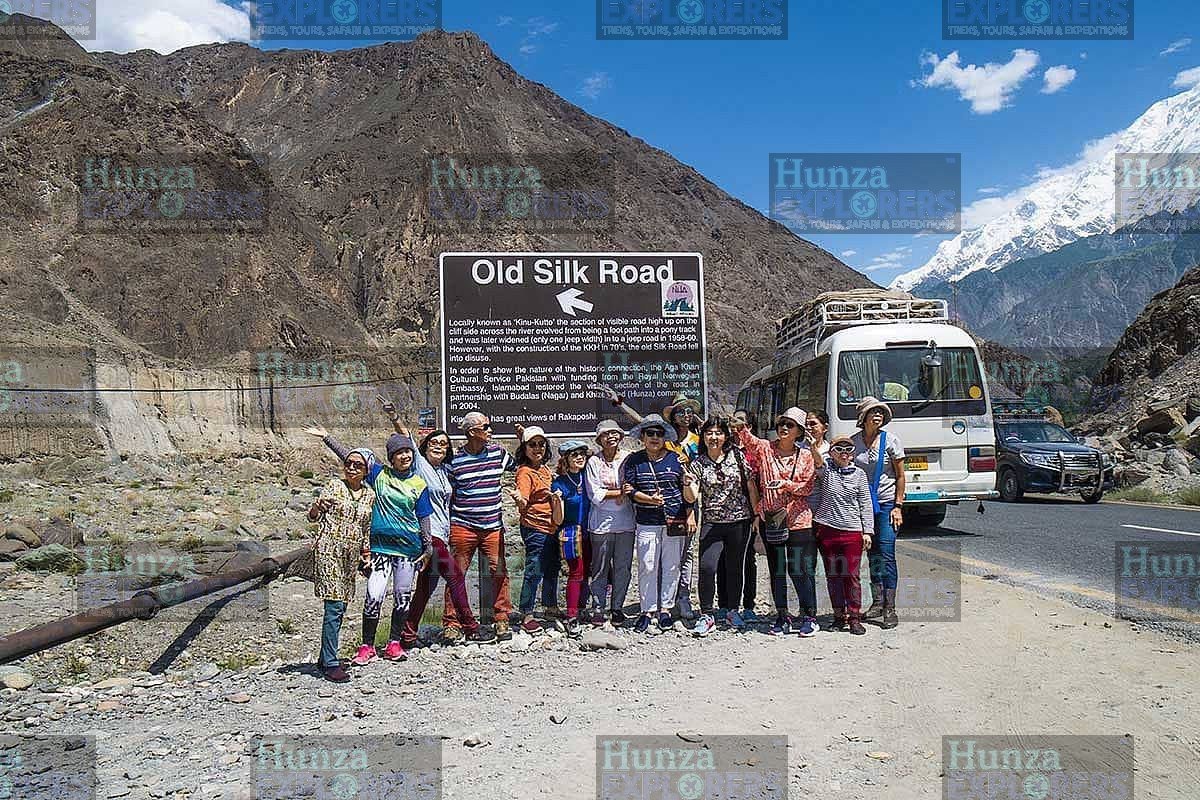
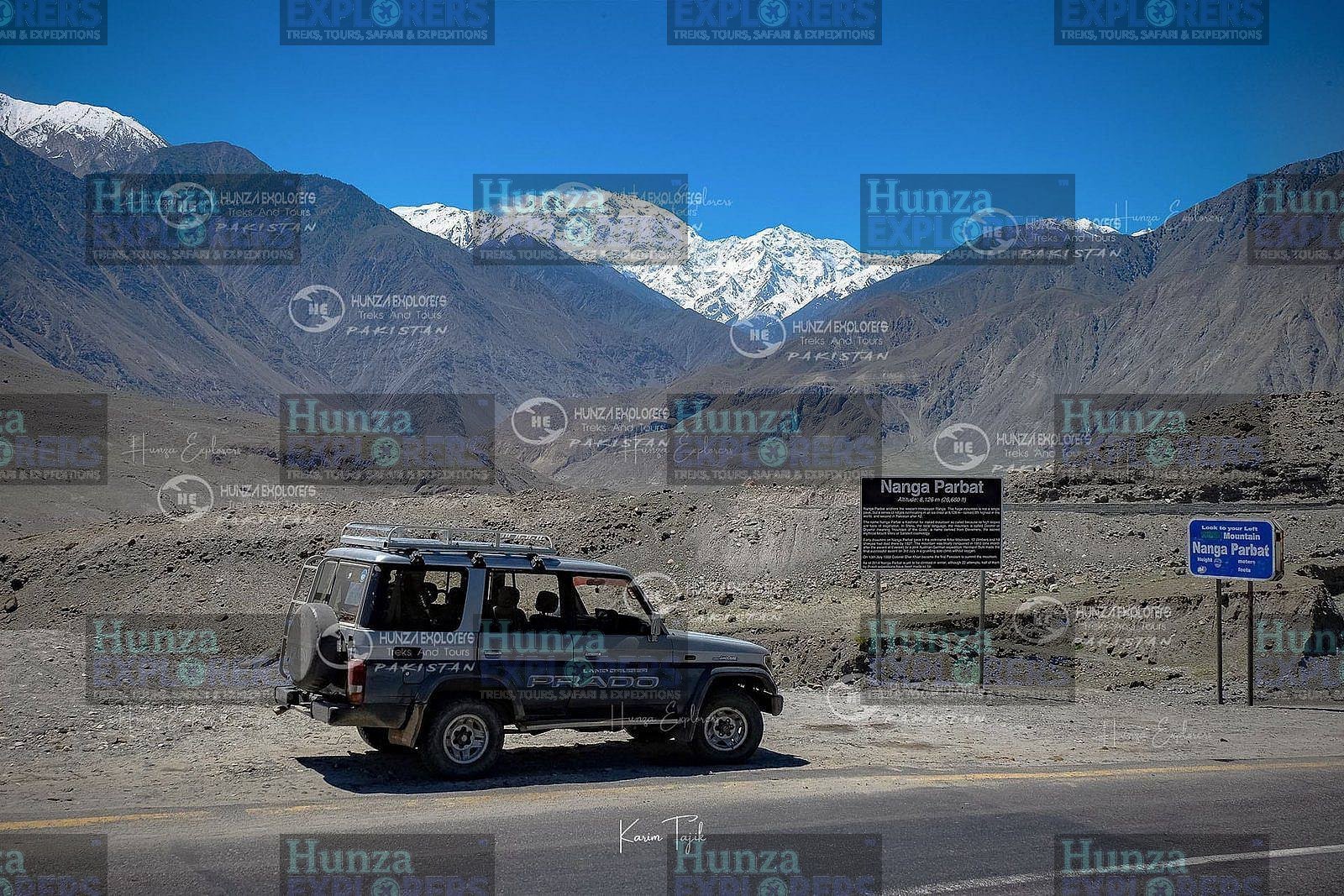
After crossing into Pakistan, the landscape transforms dramatically as travelers descend into the stunning region of Upper Hunza. This is where the Karakoram Highway begins its most scenic stretch, following the ancient Silk Road corridor along rivers, cliffs, and towering mountains.
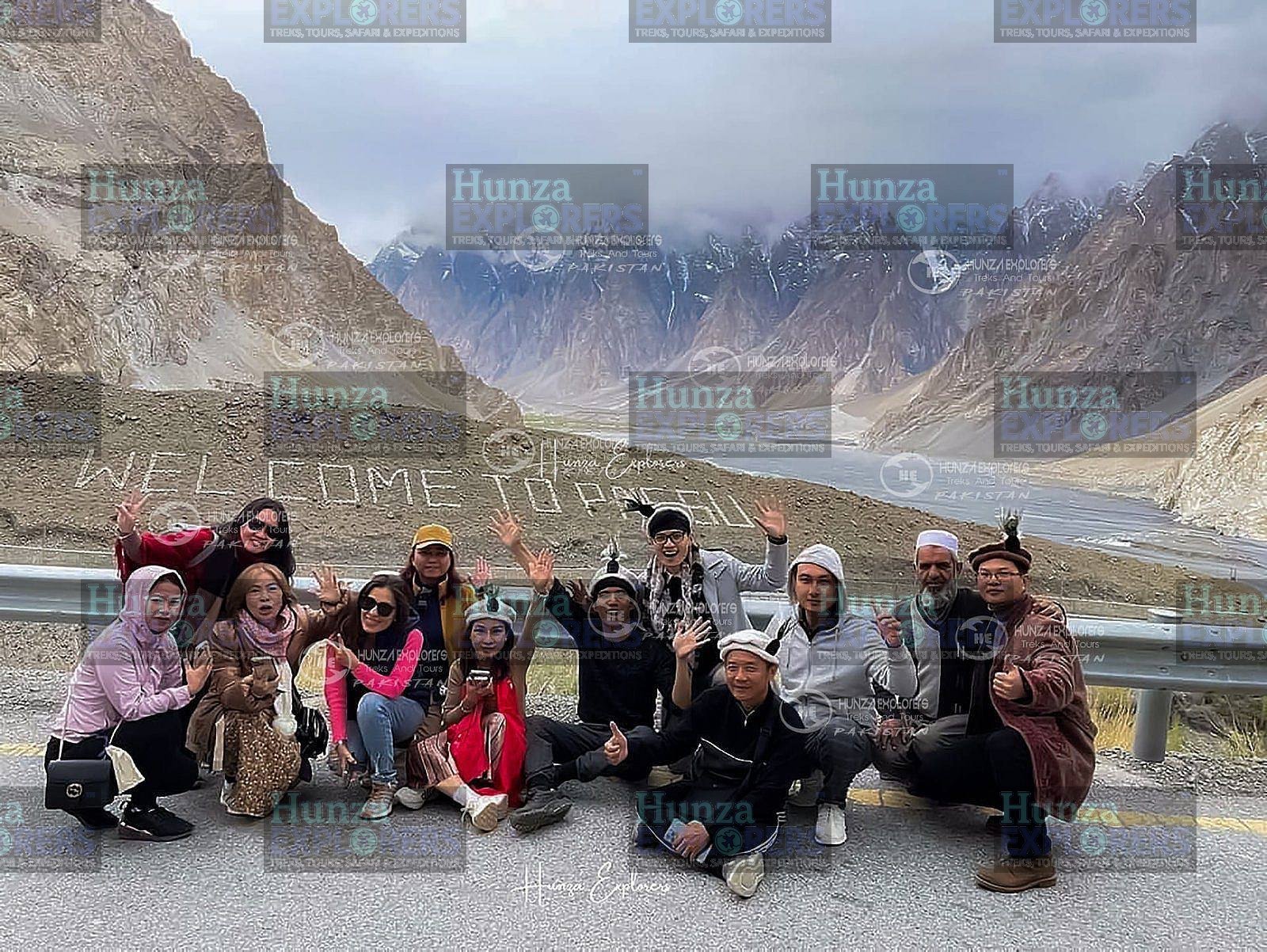
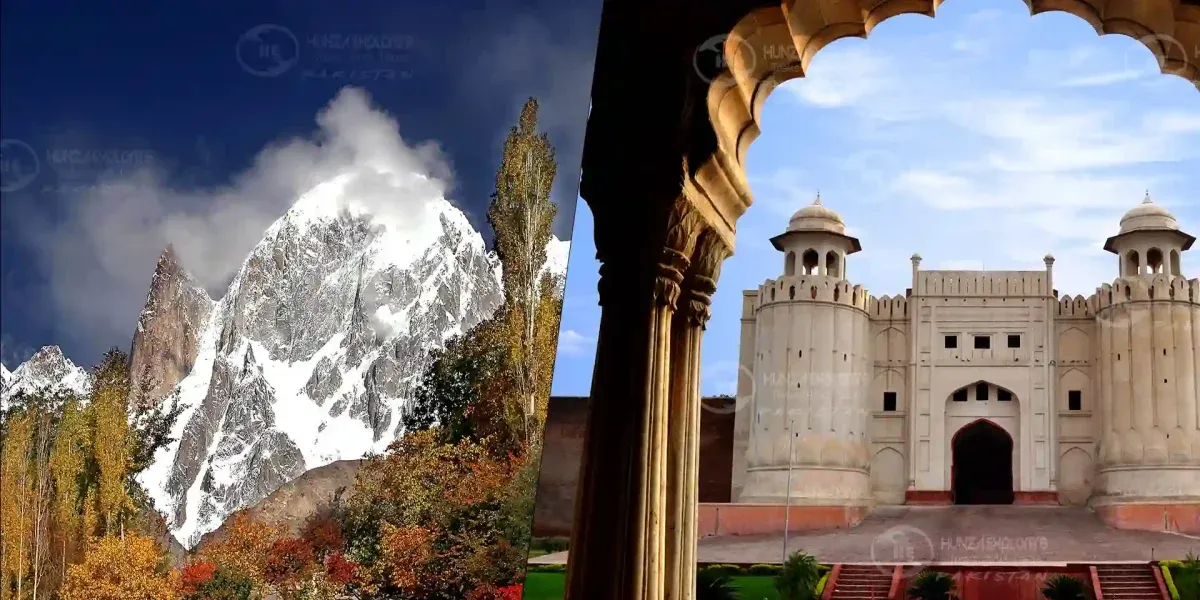
The journey enters the iconic Hunza Valley, one of the most beautiful valleys in the world. Here, travelers experience the turquoise waters of Attabad Lake, formed after a natural landslide that reshaped the valley. The dramatic rock formations of Passu Cones rise sharply above the landscape, creating one of the most photographed views in Pakistan.
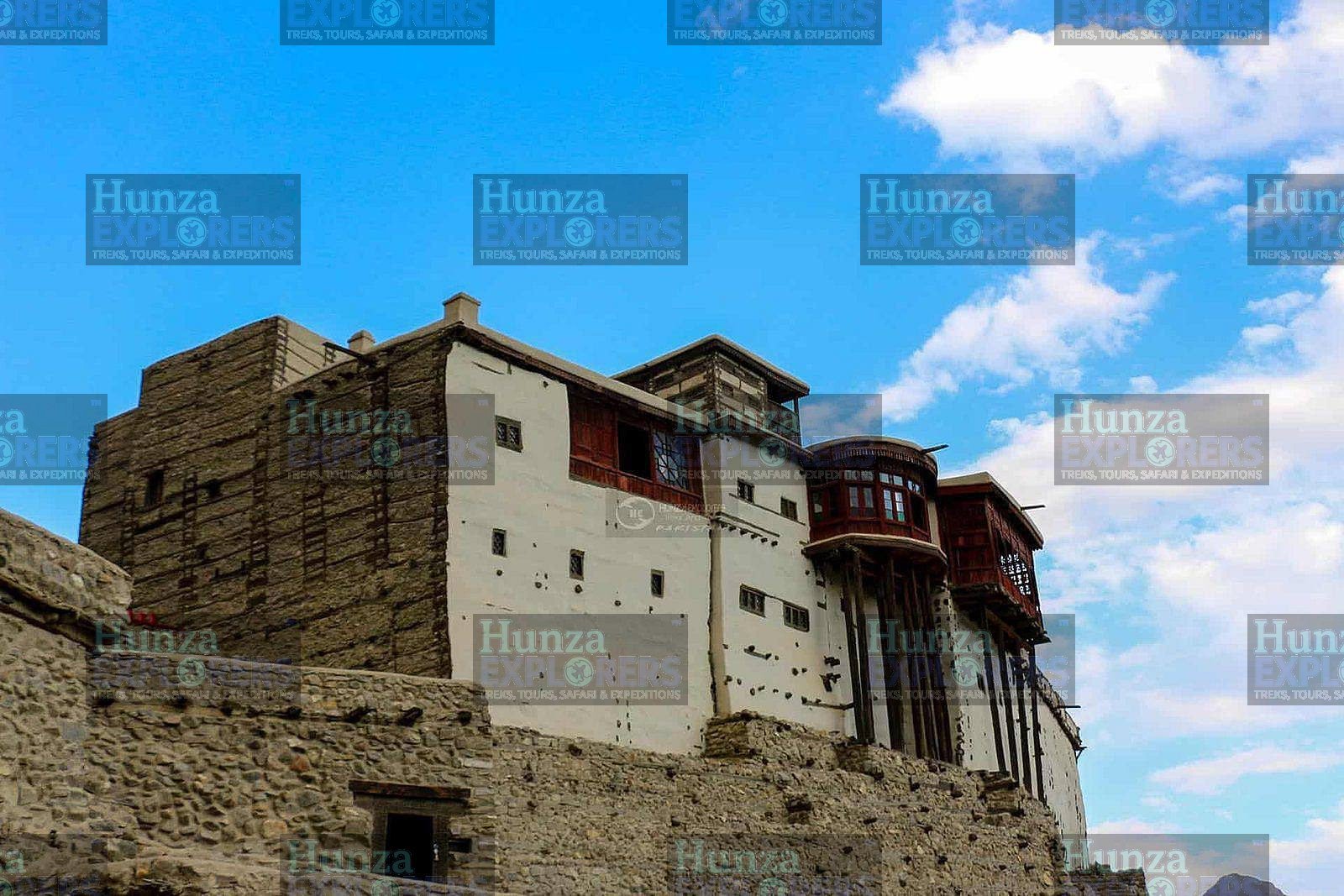
The thrilling Hussaini Suspension Bridge, known for its adventurous crossing over the Hunza River, offers a unique experience for travelers. Historical sites such as Altit Fort and Baltit Fort provide insight into the royal heritage and ancient governance of the Hunza region, which once played an important role along the Silk Road.
Cultural Life Along the Karakoram Highway
As the journey continues along the Karakoram Highway, travelers pass through ancient villages, river valleys, and cultural settlements. The highway itself is an engineering marvel built along one of the most difficult terrains in the world.
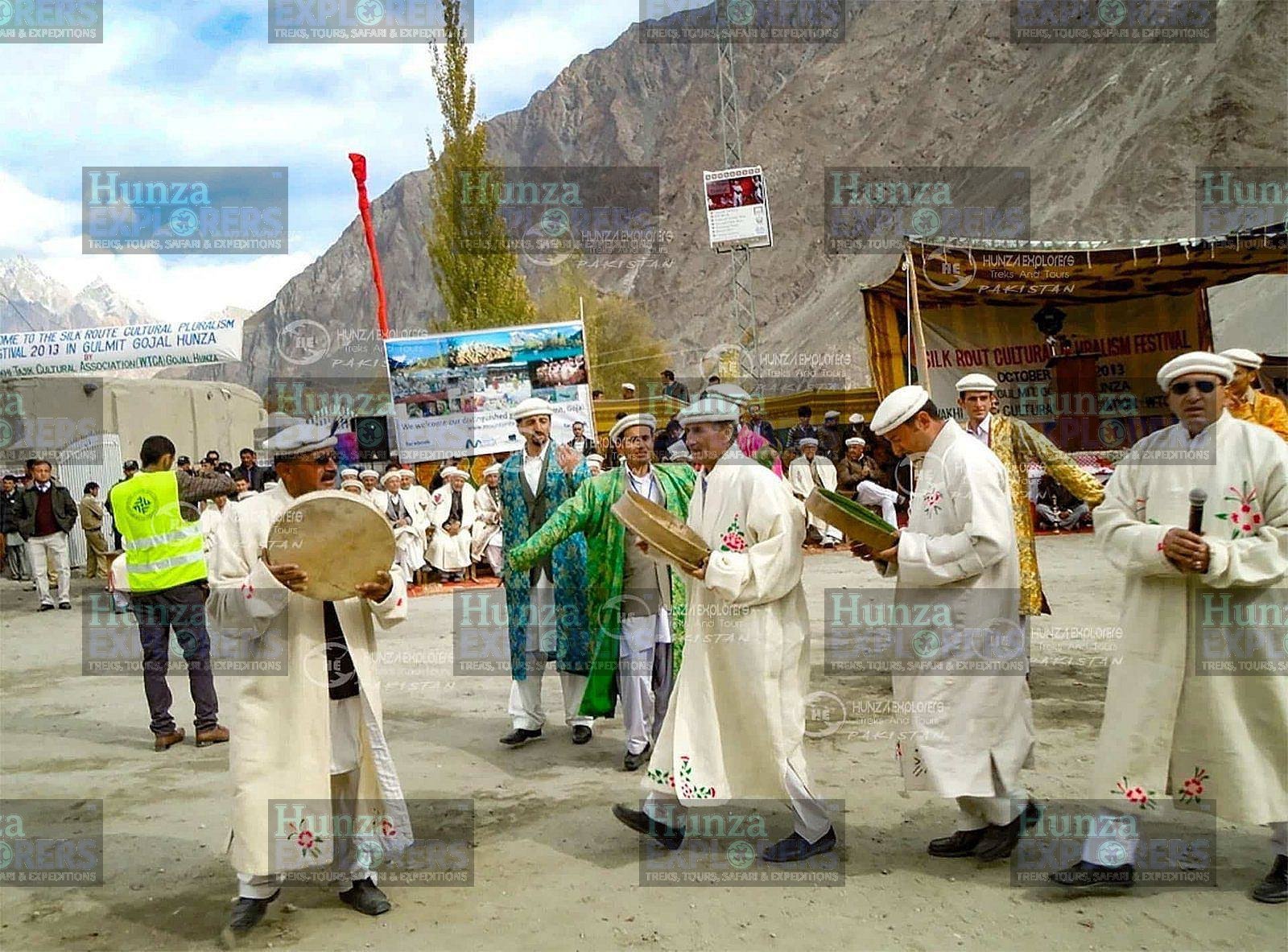
Local communities in Gilgit region welcome travelers with traditional hospitality. The culture of the region reflects centuries of Silk Road influence, where different ethnic groups, languages, and traditions have blended into a unique mountain identity.
Food, music, and storytelling remain an important part of life in these valleys. Travelers experience authentic mountain cuisine, traditional guesthouses, and warm interactions with local families who have lived along these routes for generations.
Descent Towards the Capital City
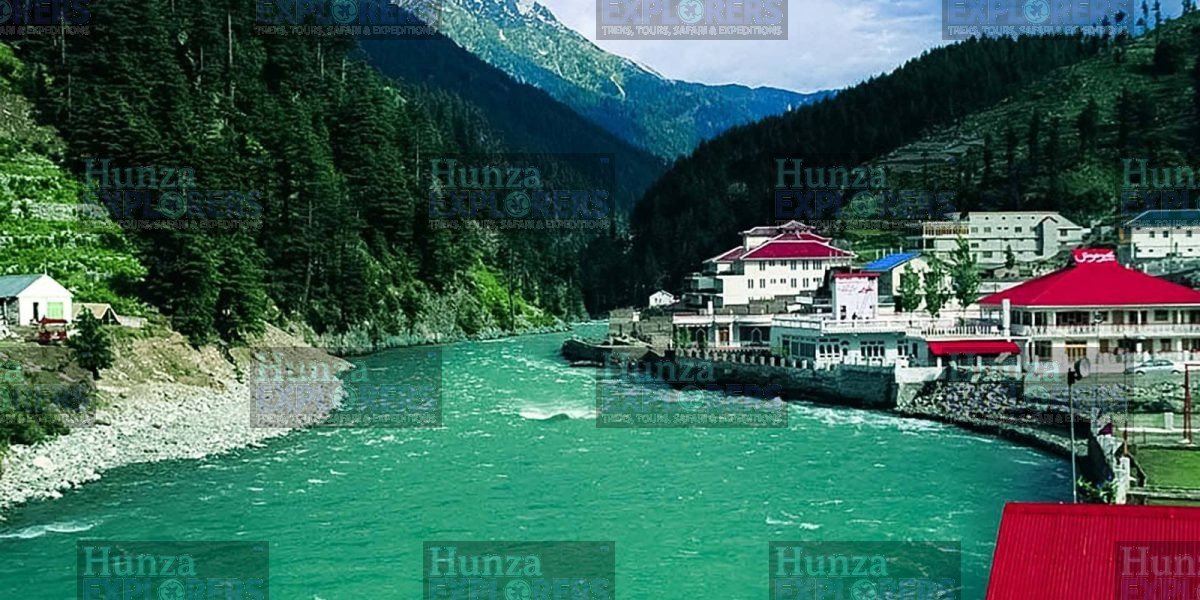
From the mountains of Gilgit Baltistan, the journey continues south along the Indus River corridor, passing through deep valleys, narrow gorges, and scenic landscapes. The route leads through Besham, where travelers rest before continuing towards the plains of Pakistan.
Finally, the journey concludes in Islamabad, the modern capital city of Pakistan. This transition from ancient mountain landscapes to a planned modern city symbolizes the full contrast of the Silk Road experience.