Silk Route Festival Tour – A Journey into Living Silk Route Heritage
Discover the Cultural Legacy of the Ancient Silk Route
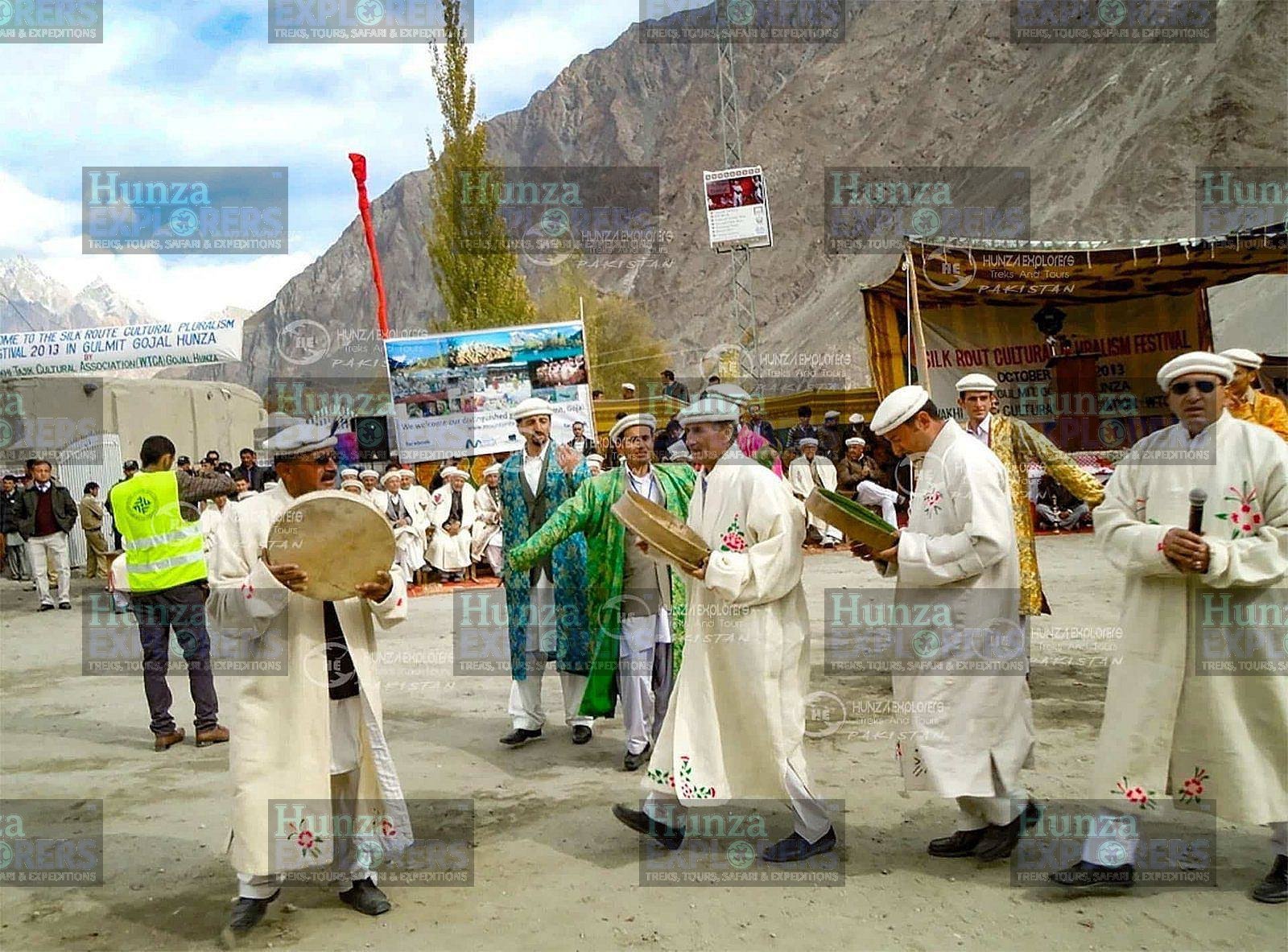
The Silk Route Festival Tour is a deeply immersive cultural journey into the heart of Hunza Valley, located in Gilgit Baltistan, Pakistan. Held every year in September in Gulmit Gojal, Upper Hunza, this unique festival celebrates the living heritage of the ancient Silk Route, the historic network that once connected China, Central Asia, and South Asia through the mighty Karakoram Mountains.
More than just a festival, this event represents centuries of cultural exchange, trade, traditions, music, and human connection that shaped the mountain communities of the region. Surrounded by the dramatic peaks of the Karakoram Range, glaciers, rivers, and traditional Wakhi villages, the Silk Route Festival offers travelers an authentic experience of history, culture, and nature combined in one unforgettable journey.
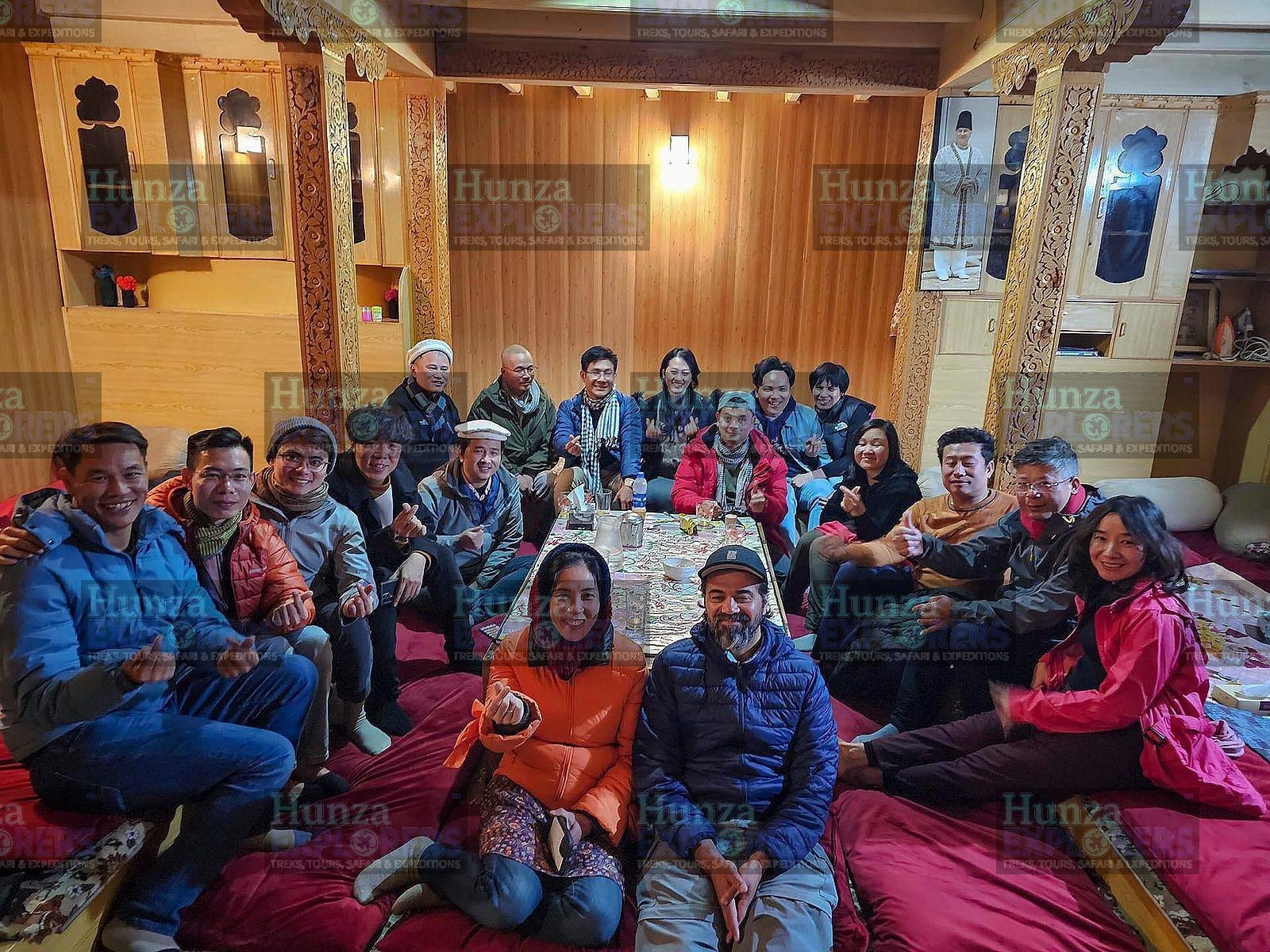
The festival atmosphere transforms Gulmit Gojal into a vibrant cultural hub filled with folk music, traditional dances, local cuisine, artisan stalls, storytelling sessions, and mountain hospitality. Visitors not only witness performances but also experience the warmth and traditions of the local communities that have preserved this heritage for generations.
Cultural Importance of Silk Route Festival Hunza
Historical Connection Between Hunza and Xinjiang
The Silk Route Festival reflects the deep historical relationship between the Wakhi Tajik communities of Gojal Hunza in Pakistan and Xinjiang in China. For centuries, these mountain communities remained connected through the ancient Silk Route, sharing language, traditions, music, trade, poetry, and seasonal cultural celebrations across the high-altitude valleys of the Karakoram and Pamir regions.
Long before modern borders existed, local artists, musicians, traders, and travelers frequently moved across these mountain routes, creating a rich cultural network that connected the people of Hunza, Wakhan, Xinjiang, and Central Asia. Cultural festivals and traditional gatherings were an important part of this interaction, preserving a shared identity rooted in mountain life and Silk Route heritage.
Modern Festival and Changing Dynamics
Today, the Silk Route Festival continues to preserve this spirit of cultural unity and heritage. However, due to modern border realities and regional restrictions, many traditional cross-border artists and performers who historically participated in such gatherings are currently unable to attend as freely as before.
Interestingly, international tourists, photographers, travel enthusiasts, researchers, and cultural explorers from around the world now attend the festival and contribute to its growing global recognition. The festival has evolved into an international cultural attraction while still remaining deeply connected to the traditions of the local communities of Upper Hunza.
Despite these changes, the core purpose of the festival remains unchanged: preserving the cultural identity, traditions, and historical significance of the ancient Silk Route communities.
Future Vision of the Silk Route Festival
There is growing hope among local communities and organizers that the Silk Route Festival may expand further in the future into a larger regional cultural platform involving more countries historically connected through the Silk Route.
As tourism continues to grow in Gilgit Baltistan and cultural preservation gains international attention, the festival has the potential to reconnect artists, musicians, cultural performers, and heritage representatives from Pakistan, China, Tajikistan, Kyrgyzstan, Uzbekistan, Kazakhstan, Turkmenistan, and other neighboring regions linked historically through these mountain trade routes.
The festival represents not only the preservation of heritage but also the possibility of rebuilding cultural bridges between communities that once shared centuries of interaction, cooperation, and coexistence along the Silk Route.
Gulmit Gojal – The Cultural Heart of the Festival
Traditional Mountain Life and Cultural Expression
The main celebration takes place in Gulmit Gojal, one of the most scenic and culturally rich regions of Upper Hunza. During the festival, this peaceful mountain settlement comes alive with traditional music, colorful performances, artisan exhibitions, and local community gatherings.
The streets and open spaces of Gulmit become vibrant centers of cultural activity where visitors can experience authentic Wakhi traditions, local hospitality, and the peaceful lifestyle of the mountain communities.
Local artisans display handmade embroidery, woolen garments, carved wooden crafts, gemstones, traditional caps, shawls, and cultural artifacts that reflect generations of craftsmanship passed down through families across Hunza and Gilgit Baltistan.
Folk Music, Dance, and Storytelling
Traditional music performances remain one of the biggest highlights of the Silk Route Festival. Folk musicians perform with drums, flutes, and string instruments that echo the sounds of the ancient mountain trade routes.
Cultural dance performances in traditional attire showcase the diversity of Gilgit Baltistan and the historical Silk Route regions. These performances are not commercial stage shows but authentic cultural expressions rooted deeply in local traditions and identity.
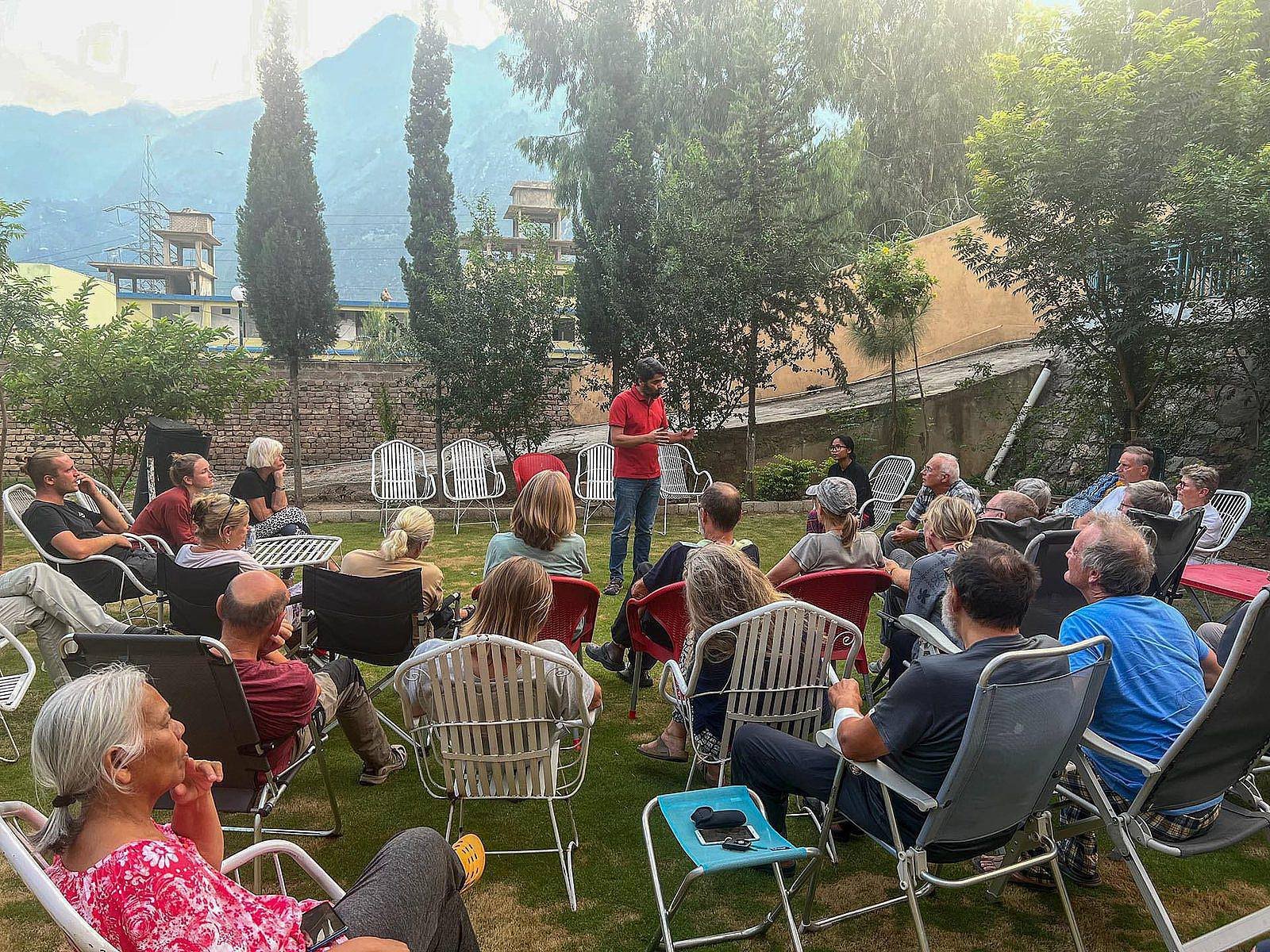
Storytelling sessions by elders also play an important role during the festival, where historical narratives about migration, trade caravans, mountain survival, and Silk Route history are shared with visitors and younger generations.
Explore the Natural Beauty of Hunza Valley
Scenic Attractions Around the Festival
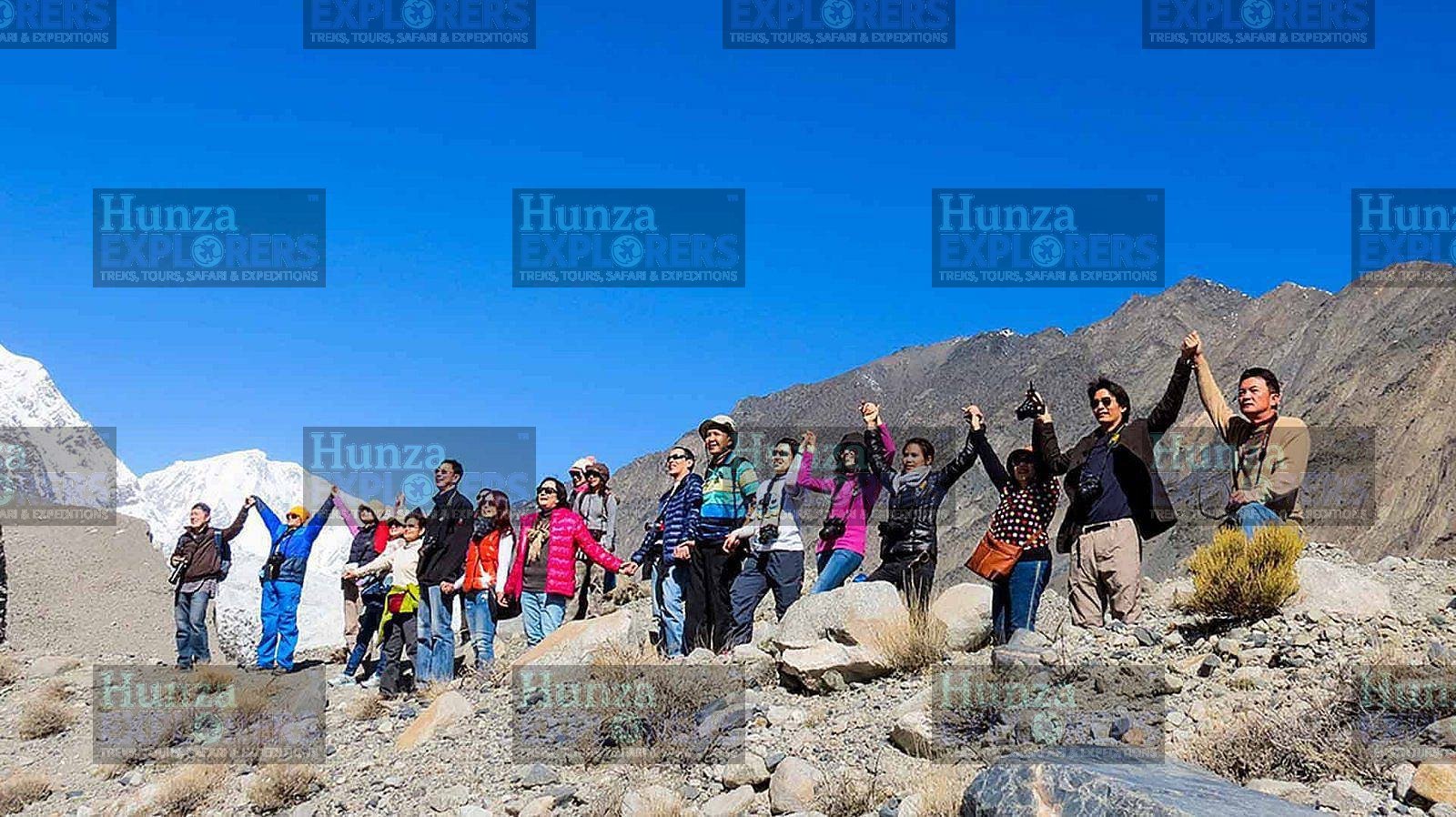
The Silk Route Festival Tour is not limited to cultural experiences alone. Travelers also explore some of the most iconic natural and historical attractions in Hunza Valley and Upper Hunza.
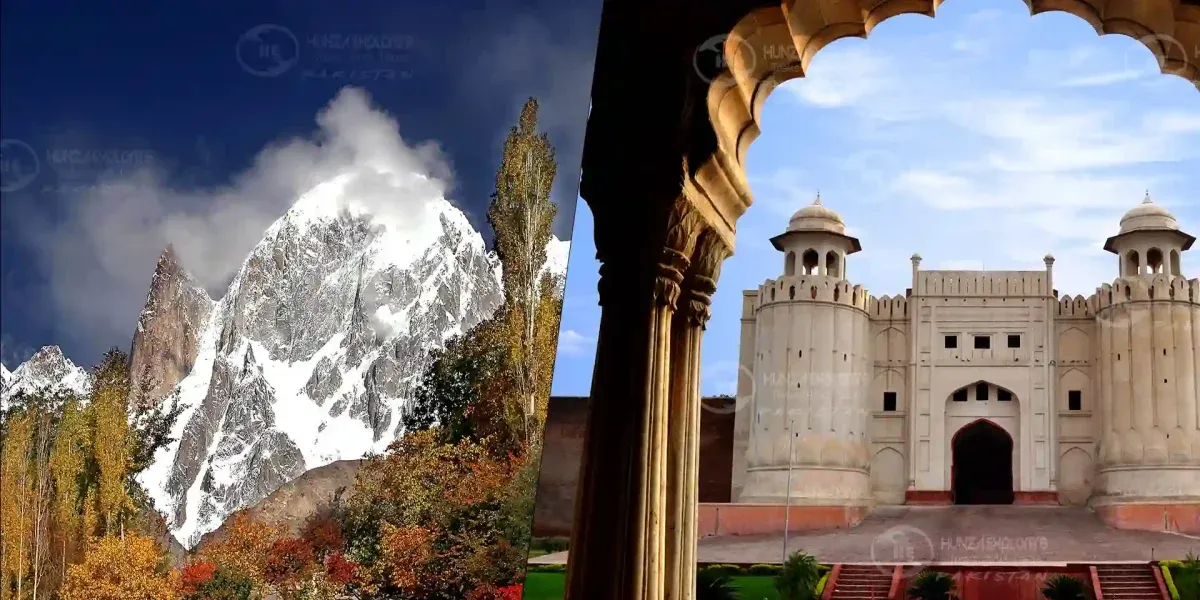
Visitors experience the beauty of Attabad Lake, famous for its turquoise waters surrounded by towering mountains. The breathtaking Passu Cones dominate the skyline with their sharp pyramid-shaped peaks, while the thrilling Hussaini Suspension Bridge offers one of the most adventurous crossings in northern Pakistan.
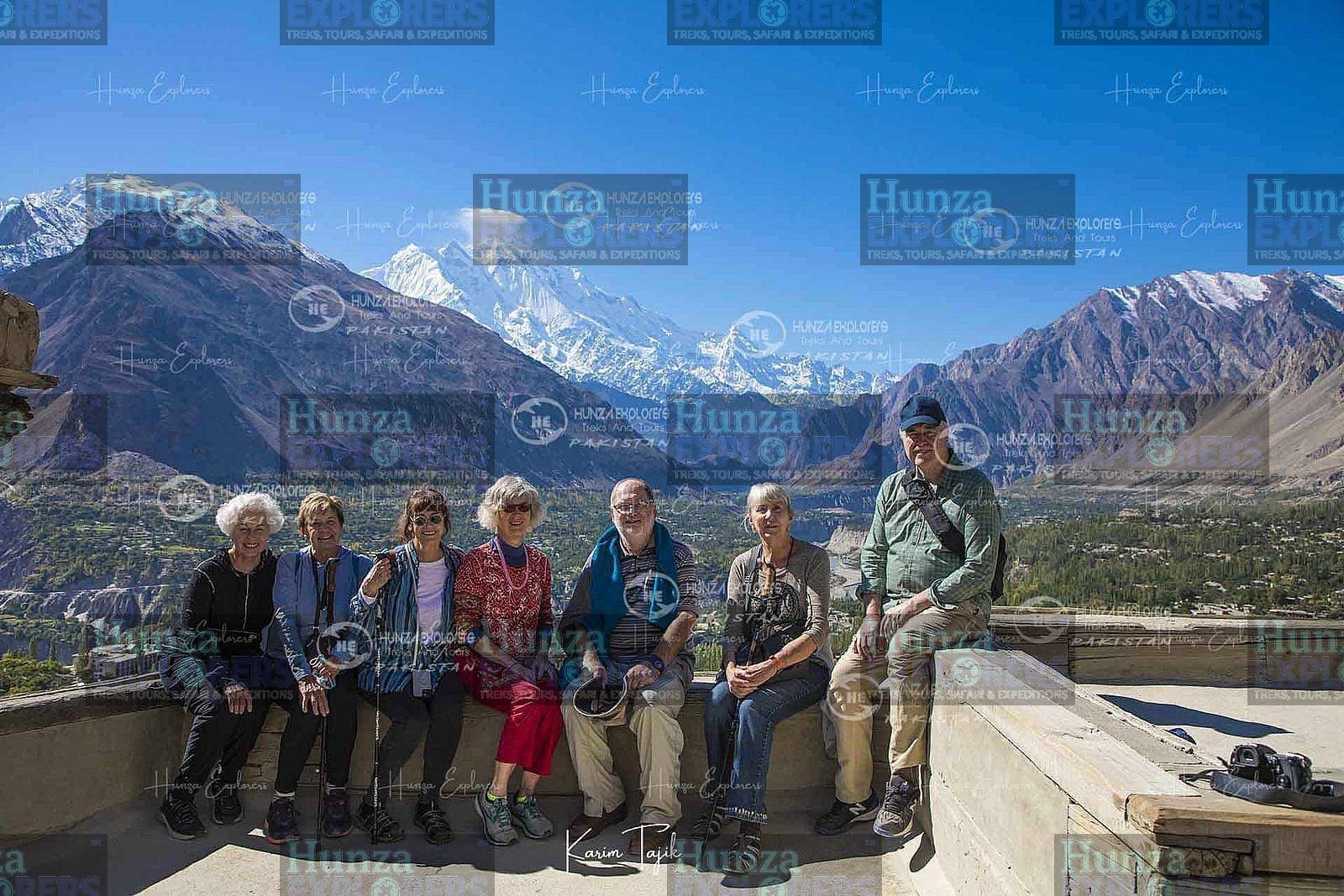
Historic landmarks such as Altit Fort and Baltit Fort provide insight into the royal history and architectural heritage of Hunza Valley. These centuries-old forts overlook the valley and remain among the most important cultural sites in Gilgit Baltistan.
Journey Through the Karakoram Highway
The journey itself becomes part of the adventure as travelers drive along the legendary Karakoram Highway, often called the Eighth Wonder of the World. Surrounded by glaciers, rivers, dramatic cliffs, and snow-covered peaks, every section of the route offers unforgettable scenery for photographers and nature lovers.
The panoramic viewpoint of Rakaposhi Peak provides spectacular views of one of the most beautiful mountains in the Karakoram Range, creating a perfect blend of natural beauty and cultural exploration throughout the tour.
Why Silk Route Festival Tour is Unique
The Silk Route Festival Tour is not simply a festival visit but a complete journey into living history, mountain culture, and regional heritage. It allows travelers to experience authentic traditions, connect with local communities, and witness the cultural legacy of the ancient Silk Route in one of the most beautiful regions of the world.
Unlike commercial cultural events, the Silk Route Festival remains community-driven and deeply connected to the identity of the people of Upper Hunza. It preserves the traditions of the past while creating hope for greater cultural cooperation and regional unity in the future.
From breathtaking landscapes and ancient forts to folk music, traditional cuisine, storytelling, and Wakhi cultural heritage, this journey offers an unforgettable experience where history, culture, and nature come together in the heart of Hunza Valley.